What should I include in a custom painting brief?
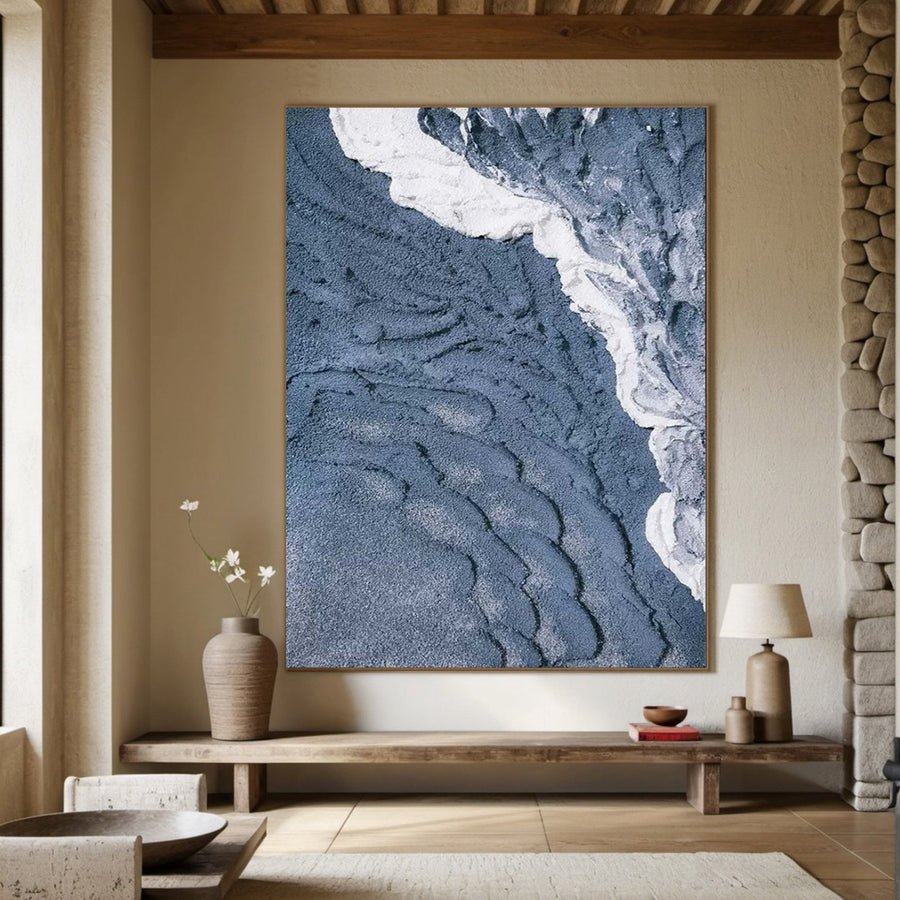
I can picture the perfect painting and still send an unclear request. Missing size, style or reference decisions can lead to a quote for a different artwork.
I write a brief that names the subject, purpose, reference images, size, orientation, style and delivery format. I separate fixed requirements from preferences. I also ask about review stages, permissions and timing, so the supplier can quote the actual work I want.
I make the brief easy to use rather than long for its own sake. I organize it around the decisions that change the composition, production and finished object.
How do I explain the subject and purpose clearly?
I can say I want something personal and expect the artist to know what that means. The request may hide the image details I care about most.
I name the subject and explain how the painting will be used. I identify the main reference and the features that must remain recognizable. I describe requested changes separately, so the artist can distinguish source evidence from new creative instructions.
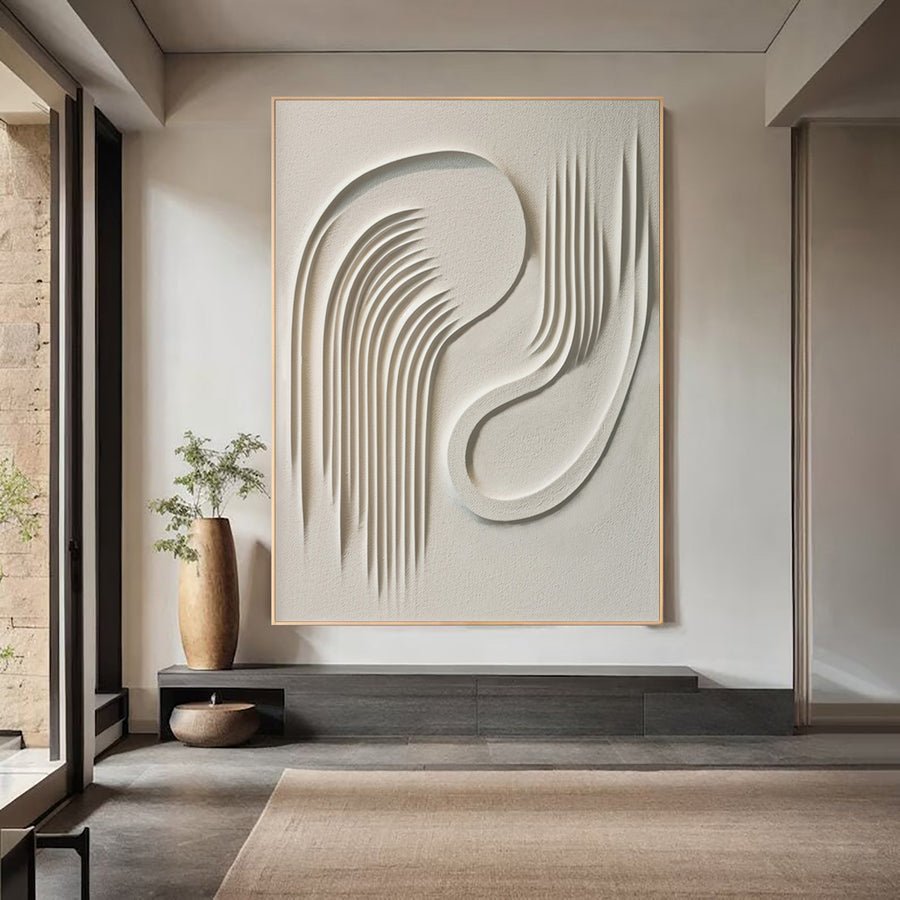
I state the outcome before the details
I begin with a plain sentence about the work. I may want a family portrait for a living room, a landscape tied to a trip or a quiet abstract painting for a bedroom. I explain that purpose because it helps the artist understand which decisions matter. I do not expect the purpose to replace visual instructions. I still name the people, place or forms that should appear, along with the main reference image.
I identify a few fixed features. A portrait may need a familiar expression and a particular coat marking. A landscape may need a recognizable building or horizon. I avoid marking every detail as equally important. I rank the features that would change the meaning if they moved or disappeared. I then list changes that are not shown in the source, such as a simpler background or a removed object. I ask whether those changes can be reviewed before painting begins.
I keep reference ownership visible. If someone else made the photograph, I check the intended use rather than assuming the file is mine to adapt. The Copyright Office explains the photographer’s role.[1] I attach any necessary permission information to the source list. I use the custom artwork request to bring the subject and the practical questions together. That gives the supplier a brief to review rather than a collection of images with no clear priority.
| Decision | My check |
|---|---|
| Purpose | I explain where and why the work will be used |
| Fixed feature | I name what must stay recognizable |
| Requested change | I separate it from the source image |
How do I describe style without vague words?
I can ask for a beautiful modern painting and receive many possible interpretations. Broad taste words do not tell the artist how to handle detail or texture.
I describe the level of detail, brushwork, color contrast and texture I prefer. I label style references by the feature they illustrate. I avoid asking for incompatible goals without discussing the trade, such as loose marks and an exact photographic match.
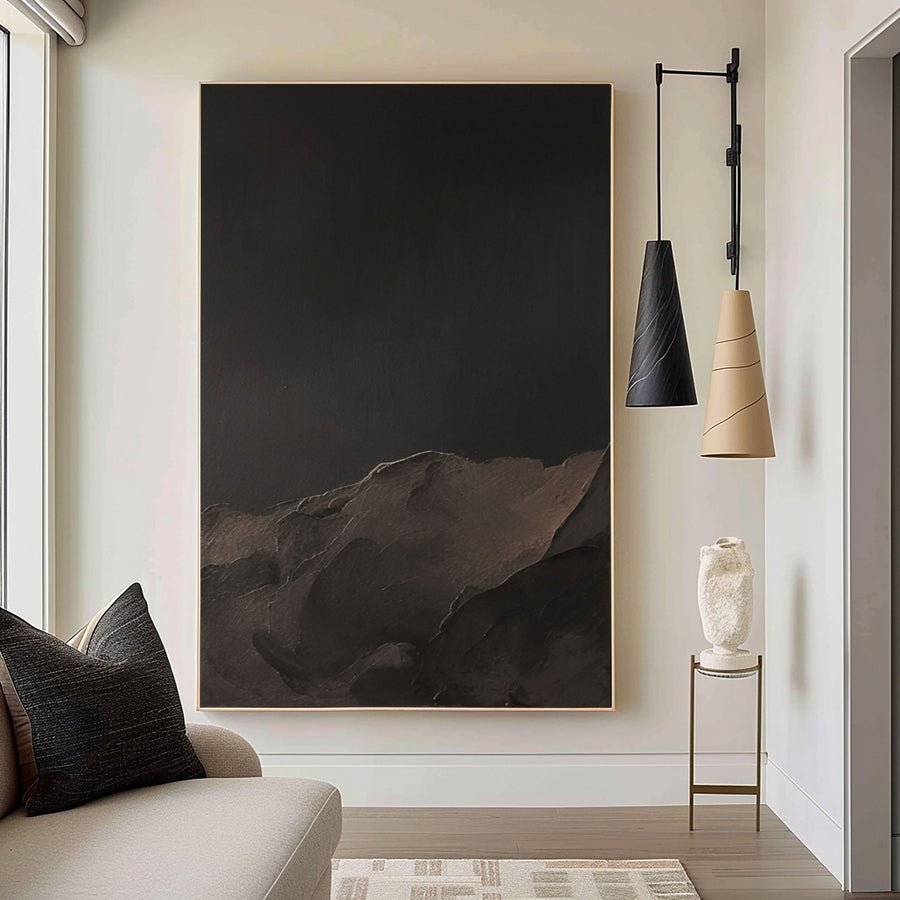
I use references for specific visual choices
I choose a small number of style references and explain what I like in each. One image may show broad brushwork. Another may show a quiet background or a limited color range. I do not ask the artist to copy every part of every reference. I assign a purpose to each image so the brief stays coherent. If two references conflict, I say which one controls the relevant decision.
I describe detail in relation to the subject. I may want a recognizable face with a simpler background, rather than equal precision everywhere. I may prefer stronger texture in an abstract area while keeping the eyes less raised. I ask the artist whether that combination suits the proposed technique. Impasto describes thick paint application, not a promise about every texture medium or raised effect.[2] I therefore ask what materials and surface treatment are actually proposed rather than relying on the word textured alone.
I write preferences in plain terms. I can ask for soft edges, visible strokes or restrained contrast and show an example. I avoid unusual style labels when a direct description is clearer. I also name what I do not want, but I keep that list short and relevant. A long list of prohibitions can hide the main direction. I request a written style confirmation when the quote arrives. That helps me review later evidence against an agreed approach instead of changing the meaning of modern or realistic halfway through production.
| Decision | My check |
|---|---|
| Brushwork | I show one relevant example |
| Detail level | I name which areas need emphasis |
| Texture wording | I ask about actual materials |
Which physical specifications belong in the brief?
I can approve the image and leave the object undefined. A painting may arrive in a format that needs more assembly or wall space than I expected.
I include the visible painting size, orientation, canvas route, frame choice and intended display place. I ask which dimensions include the frame. I confirm edge treatment, assembly and hanging information rather than assuming those details follow from the size label.
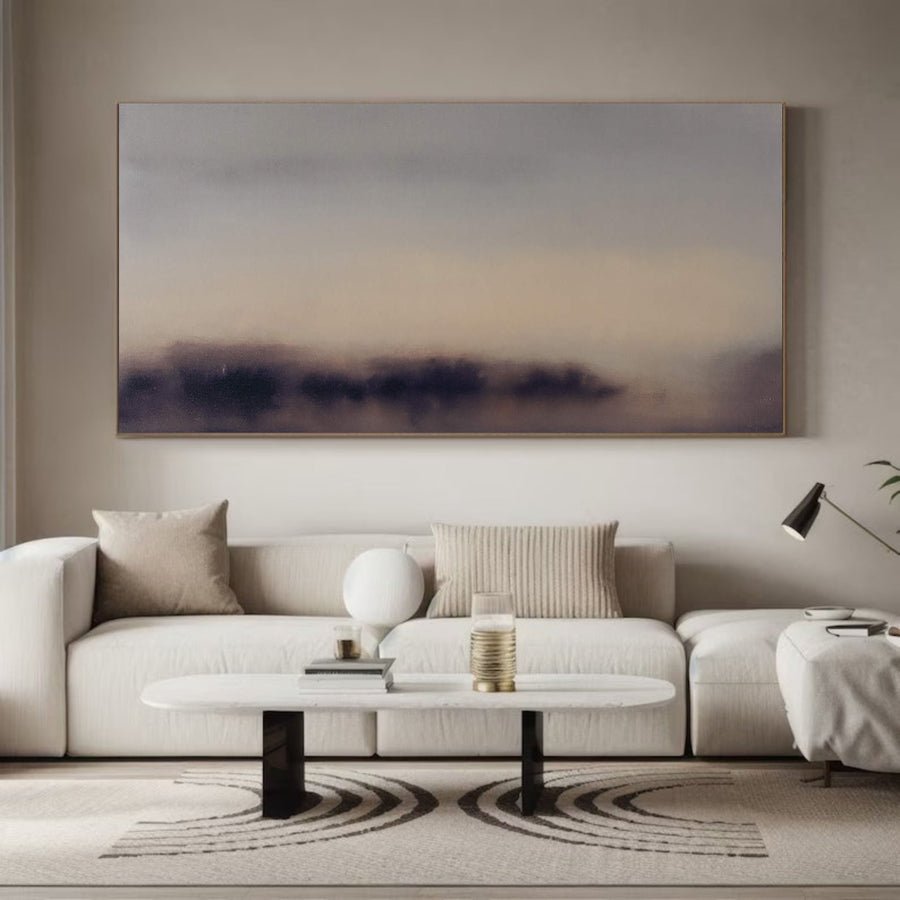
I describe the object as well as the image
I record width and height with their units. I state whether the figures refer to the visible painting, stretched canvas or finished outside frame. I include the orientation so the same pair of measurements cannot be interpreted differently. I test the intended outer outline on the wall if the location is known. I do not choose size only from an attractive room mockup that lacks a confirmed scale.
I name the delivery format. A rolled canvas, a stretched canvas and a framed painting follow different assembly paths. I ask about the margins or edge treatment required for the chosen route. If I plan local framing, I consult the framer before production when the edge decisions depend on that assembly. Framing guidance explains why the relationship between the support and frame matters to protection as well as appearance.[3] I use it to ask questions about the offered work rather than improvise the construction myself.
I include the intended location when it affects the brief. I can describe a narrow hallway, a wall near seating or a room with strong side light. I ask whether the selected texture and format suit that setting. I avoid giving the supplier responsibility for hidden wall conditions they cannot inspect. I use the artwork quality questions to prepare a practical review of materials and finish. I keep these physical decisions beside the visual ones so the quote covers the object I actually intend to receive.
| Decision | My check |
|---|---|
| Dimensions | I state units and what is measured |
| Canvas route | I confirm rolled, stretched or framed |
| Local assembly | I ask the framer before production |
How do I make approvals and timing part of the brief?
I can assume that approval includes any change I think of later. An unclear review plan can turn normal feedback into an unexpected scope dispute.
I ask what is reviewed, when feedback is invited and which changes are included. I share any important event date without treating it as a delivery promise. I keep the final approved brief and quote together, with unresolved points clearly marked.
I turn assumptions into answerable questions
I ask the supplier to explain the actual review stages. I want to know whether I will review a composition, an in-progress image, a finished image or another agreed form of evidence. I do not invent a standard process or expect the same stages from every artist. I ask which decision each stage is meant to settle. That makes it easier to raise a crop question before it becomes a request to repaint a finished scene.
I discuss changes before the order starts. I ask how a correction to the agreed reference differs from a new preference. I also ask how a new person, pose or size would affect the price and timeline. I keep the answer in writing. I do not use the word revision as if it automatically includes every possible alteration. I can list a few hypothetical changes from my own brief and ask how the supplier would handle them.
I share any important date and ask for the current production and delivery estimate. I distinguish the stages rather than treating painting time as arrival time. I allow for approval, finishing, packing and transit when the supplier identifies them. I save the final brief with the accepted quote and selected references. I leave uncertain points marked as questions until answered. If I later change a requirement, I request acknowledgment rather than assuming a new message silently replaces the approved specification.
| Decision | My check |
|---|---|
| Review stage | I ask what decision it settles |
| New request | I ask about scope and cost |
| Important date | I distinguish production from arrival |
Conclusion
I make the subject, style, dimensions and approval decisions clear. A useful brief connects my references to the actual artwork and leaves uncertain points visible.