What should I approve in a wholesale artwork sample?
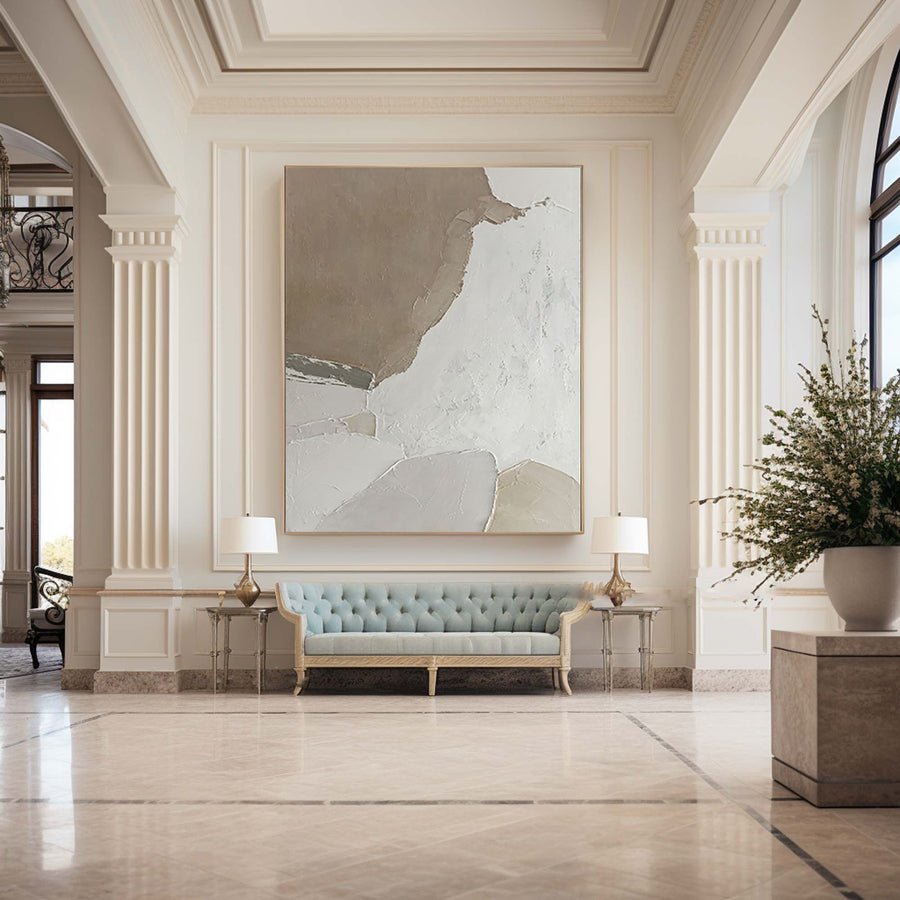
I can approve a wholesale sample because it looks attractive and leave its repeatable features undefined. Later versions may then be judged against an unclear memory.
I approve the sample against a written brief for composition, palette, dimensions, materials and supplied finish. I identify acceptable handmade variation, record the sample's status and confirm how later work will be checked. I do not treat one sample as proof of every future object.
I make sample approval a set of documented decisions. That helps the supplier understand what matters and gives the project team a fair basis for later comparison.
What should the sample brief define first?
I can request a sample with several mood images and no clear priorities. The result may answer a different design question from the one I intended.
I define the main composition, palette roles, size, orientation, materials and supplied format. I label each reference's purpose and identify the essential features before sample work begins.
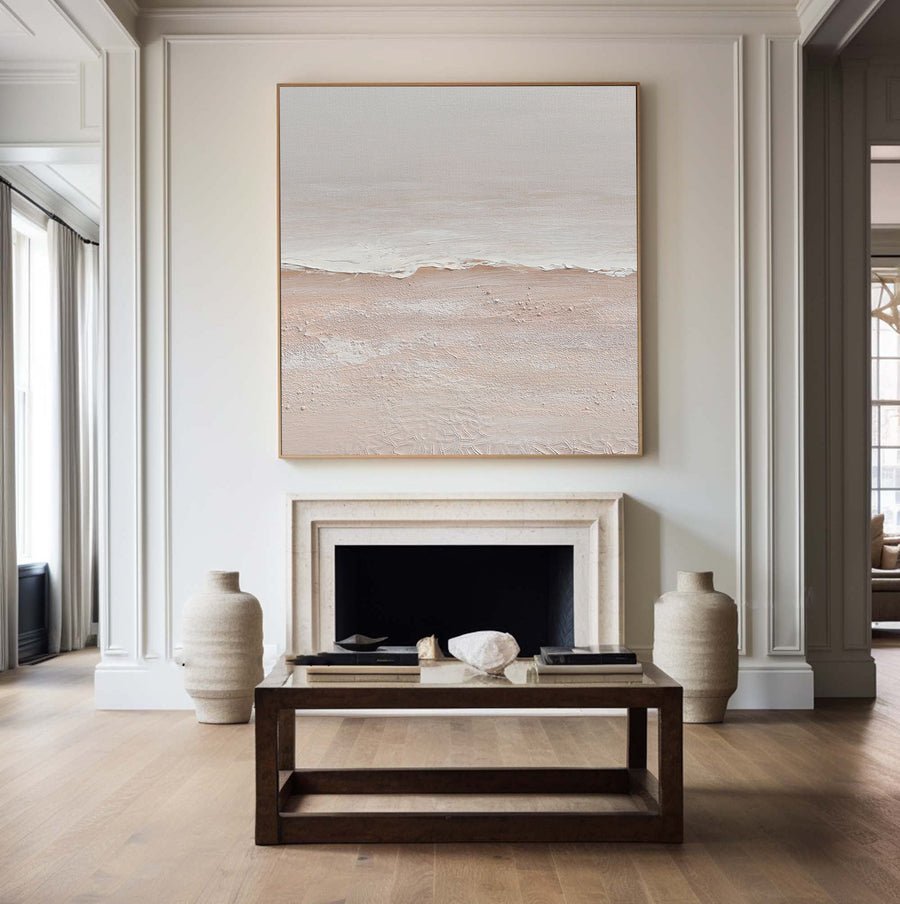
I separate references from requirements
I begin with the role the artwork will play in the project. A repeated guestroom work may need a calm balance across different layouts. A reception piece may need a stronger focal point. I name that purpose so that the supplier understands why particular features matter.
I then label the references. One image may show a palette, another may show a surface treatment, and another may show a frame. I do not assume the supplier will combine them in the way I imagined. I write the intended use of each reference and ask for clarification when the combination creates a conflict.
I fix the dimensions and supplied format. A sample made at a different size may not show exactly how the full composition or surface will read. I ask what the sample represents and which questions it can answer. I also confirm whether a shown frame is included in the sample scope.
Etsy's creativity standards provide background for handmade descriptions.[1] I use that background to ask for a clear making description rather than borrowing broad marketplace language. I discuss project scope through the wholesale wall-art service and retain the brief's version. A useful sample starts from recorded priorities, not from a folder of attractive images that each team member interprets differently.
| Decision | My check |
|---|---|
| Reference purpose | I label palette, layout and finish roles. |
| Essential feature | I state what must remain clear. |
| Sample scope | I identify what the object represents. |
Which visual features should I inspect in the sample?
I can focus on close-up texture and miss a major shift in the composition. The sample needs a review at the intended viewing distance too.
I inspect the overall balance, main color relationships, focal area, edge treatment and surface effect. I compare clear front and detail views, and I judge the sample under relevant light without expecting screen colors to be exact.
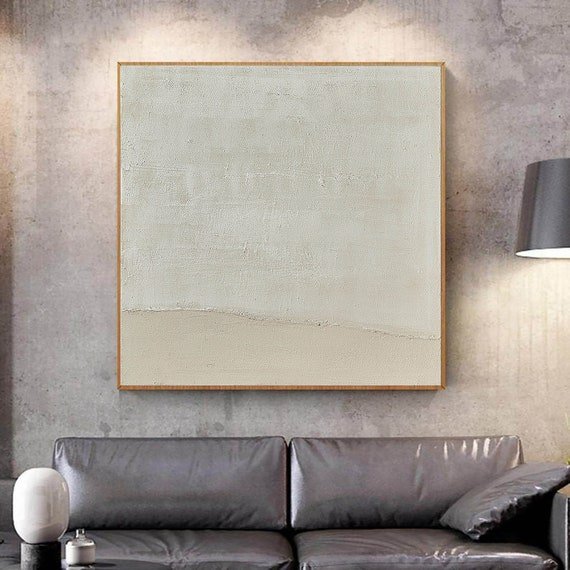
I review the full work before individual marks
I first look at the full composition from a normal viewing point. I ask whether the main light and dark areas have the intended relationship. I check where attention goes first and whether that fits the brief. A close detail can be appealing while the overall balance is wrong for the room, so I do not start with texture alone.
I then inspect the surface with direct and angled views. The National Gallery describes impasto through thick paint application.[2] I use that term to discuss visible relief, not as proof of a specific medium or a guarantee of condition. I ask for the actual material description separately.
I compare the main color roles with the brief. I may need a warm light field and a restrained dark accent rather than a precise match to a phone image. If physical color agreement is critical, I discuss a suitable review method. I do not use a processed photograph as a calibrated standard.
I inspect edges and the supplied frame as part of the object. Those elements affect the final presentation and may need their own approval. I ask the team to record comments about specific areas and effects. This makes a review more useful than a vote on whether the sample feels right. I want the supplier to understand the design decisions that support approval, including any features that still need a clearer answer.
| Decision | My check |
|---|---|
| Whole composition | I inspect balance at normal distance. |
| Surface effect | I compare direct and angled views. |
| Color review | I use a suitable method for the project's need. |
How should I define acceptable handmade variation?
I can ask for consistency and accidentally imply that every stroke must repeat. I need to state which differences matter to the project.
I record the features that should stay consistent and the smaller marks that may vary. I ask the supplier to explain their process and review approach, without inventing tolerances, revision limits or an identical-copy promise.

I connect variation with design importance
I group the features by their role in the composition. Main color balance, focal placement and overall dimensions may be essential. Individual small marks may have more freedom. I discuss that distinction with the supplier before approval. I do not assume they know which parts of the sample my team values most.
I ask how a change of size affects the design. A sample in one format may not establish the exact arrangement in every format. I request a clear description of how the composition will be adapted. I keep the larger order's size list connected with those decisions rather than treating the sample as a universal template.
I also ask which evidence will be available for later works. A final photograph may answer some appearance questions. An identified detail or dimensional check may answer others. I discuss those requests through the quality-control service and record the actual agreed scope. I do not promise that every object will undergo a procedure the supplier has not confirmed.
I keep the accepted sample reference clear. I identify its date, status and any remaining notes. I do not silently replace it with a more attractive promotional image after approval. The point is a fair comparison, not an impossible demand for identical handmade objects. I want later differences judged against the recorded design priorities and the supplier's confirmed process, with meaningful changes separated from ordinary individual marks.
| Decision | My check |
|---|---|
| Consistent feature | I record its design role. |
| Open variation | I identify smaller marks with freedom. |
| Later evidence | I confirm the actual review scope. |
What should the final sample approval record contain?
I can say approved in a message and leave unclear whether I approved the image, frame or full order. A precise record prevents that ambiguity.
I record the sample ID, brief version, approved features, unresolved items, final dimensions and supplied format. I state who approves and what later checks are agreed. I keep approval separate from unverified production, shipping or quality claims.
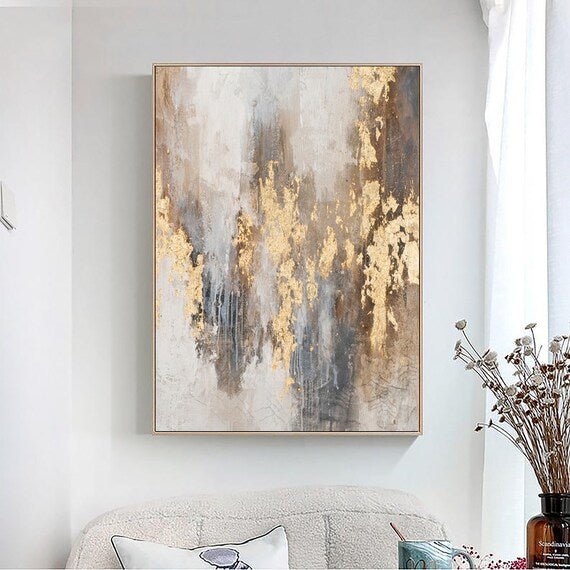
I make the approval usable after the meeting
I give the sample a stable reference and connect it with the brief it answered. I keep clear photographs in the same record. If the physical sample is retained, I record where it is held and who can access it. I do not assume that every project participant has seen the same object under the same conditions.
I state which features are approved. The composition may be agreed while the frame finish remains open. A size change may still need review. I keep those items in separate status fields so that a broad approval does not hide a partial decision. I also identify the person responsible for each remaining question.
I confirm the final dimensions and supplied form for the larger order. The Canadian Conservation Institute's framing guidance shows why the object's support and finish need suitable consideration.[3] I use that background to keep frame questions visible. I do not let visual sample approval substitute for a qualified fitting or installation decision.
I retain the actual agreed review and handover process. I do not add imagined production checks, insurance coverage or delivery guarantees to make the record sound complete. If a later change occurs, I update the approval record with a clear version rather than overwriting the earlier agreement without context. The result should let another team member understand what the sample established and what it did not establish, even if they were not present for the review.
| Decision | My check |
|---|---|
| Approval scope | I identify exactly which features are agreed. |
| Open item | I retain an owner and clear status. |
| Version history | I record later changes without hiding earlier choices. |
Conclusion
I approve a wholesale sample through clear, recorded features. I keep variation, open questions and later checks visible so that future comparisons stay fair.