How do I plan an anniversary portrait without rushing the painting?
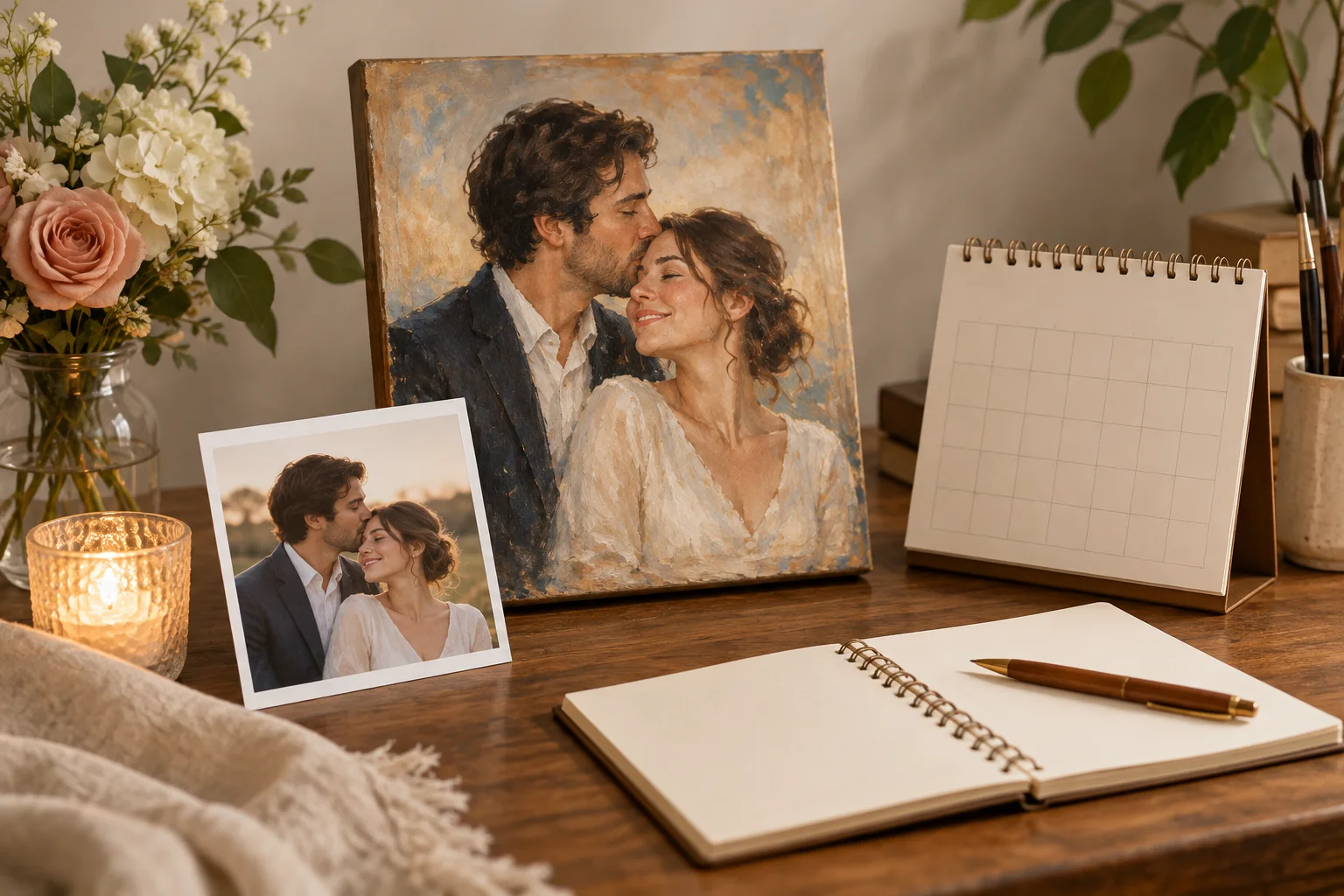
I may want an anniversary painting to arrive on one exact day. If I start with the deadline alone, I can rush the choices that make it personal.
I plan an anniversary portrait by choosing a meaningful reference, confirming the intended display size, and allowing separate time for review, painting preparation, shipping and framing. I ask whether the target date is feasible before treating it as part of the order.
I can keep the gift thoughtful without making the process stressful. I start with the memory and the recipient’s home, then build a realistic route to presentation.
Which memory makes a strong anniversary portrait?
I can choose a recent photo just because it is easy to find. That choice may miss the shared story I want the gift to carry.
I choose a reference that connects to a shared memory and still shows useful facial detail. I compare the meaning of the scene with the quality of the image. I explain why the moment matters and identify details I want the painting to preserve.
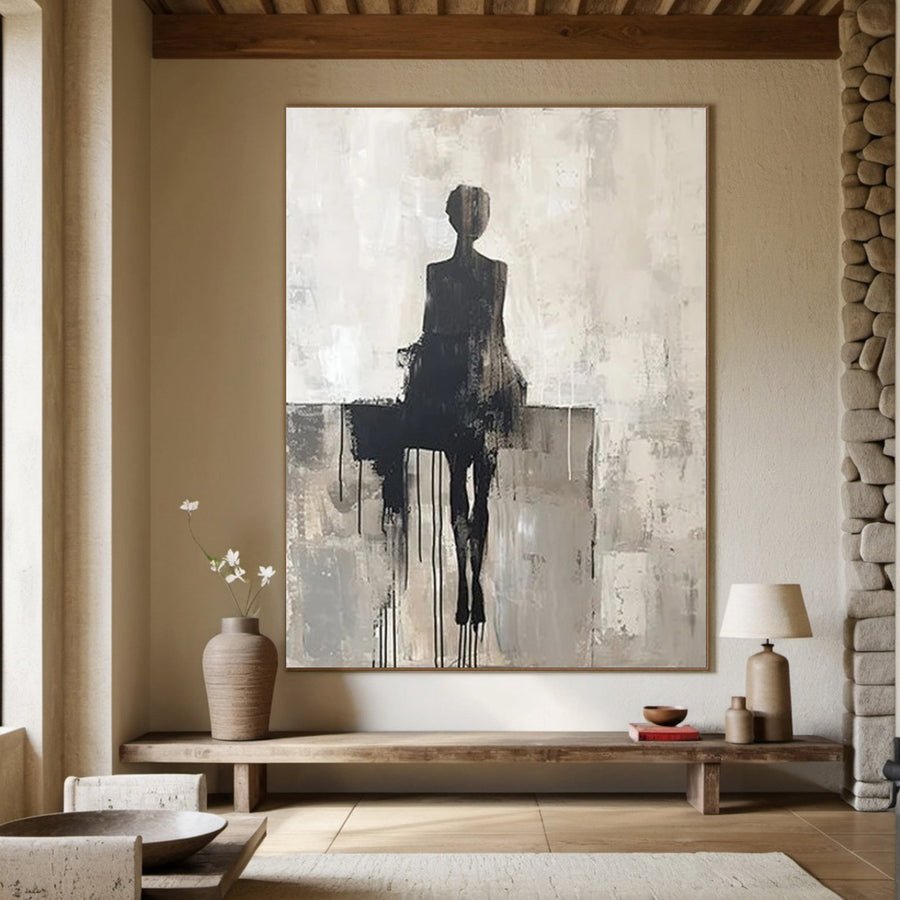
I connect the image to the relationship
I list a few moments that belong to the couple’s story. I may consider a wedding day, a favorite trip or an ordinary afternoon that feels especially familiar. I do not assume that a formal occasion is always the strongest choice. A quiet photograph can hold more personal meaning than a grand setting. I write a short explanation of the memory so the artist knows where the painting’s attention should stay.
I inspect the faces, posture and gesture. I check whether the photograph shows the expression I want to preserve. If the scene is meaningful but the faces are small, I look for supporting photos from a similar period. I label those files as detail references. I do not silently replace the chosen moment with a sharper but unrelated photograph. I also note whether a location, object or item of clothing must remain visible.
I think about the recipient’s comfort. A photograph can be special without being suitable for public display in a home. I choose an image the couple would enjoy seeing regularly, and I avoid treating a sensitive moment as an automatic surprise. I check the right to use a professional photograph for this commission.[1] I then bring the reference and its purpose to the photo painting section. I can ask for a feasibility review before the size or style becomes a fixed expectation.
| Decision | My check |
|---|---|
| Meaningful but distant scene | I add face-detail references |
| Private memory | I consider display comfort |
| Professional source photo | I confirm permission |
How do I choose a size that suits the recipient’s home?
I can mistake a larger painting for a better gift. A frame that crowds the wall can make a thoughtful portrait difficult to display.
I measure the likely display area and test the finished outer dimensions. I consider furniture, viewing distance and the crop’s effect on face size. I choose the artwork for a real place rather than assuming the recipient can rearrange a room around it.
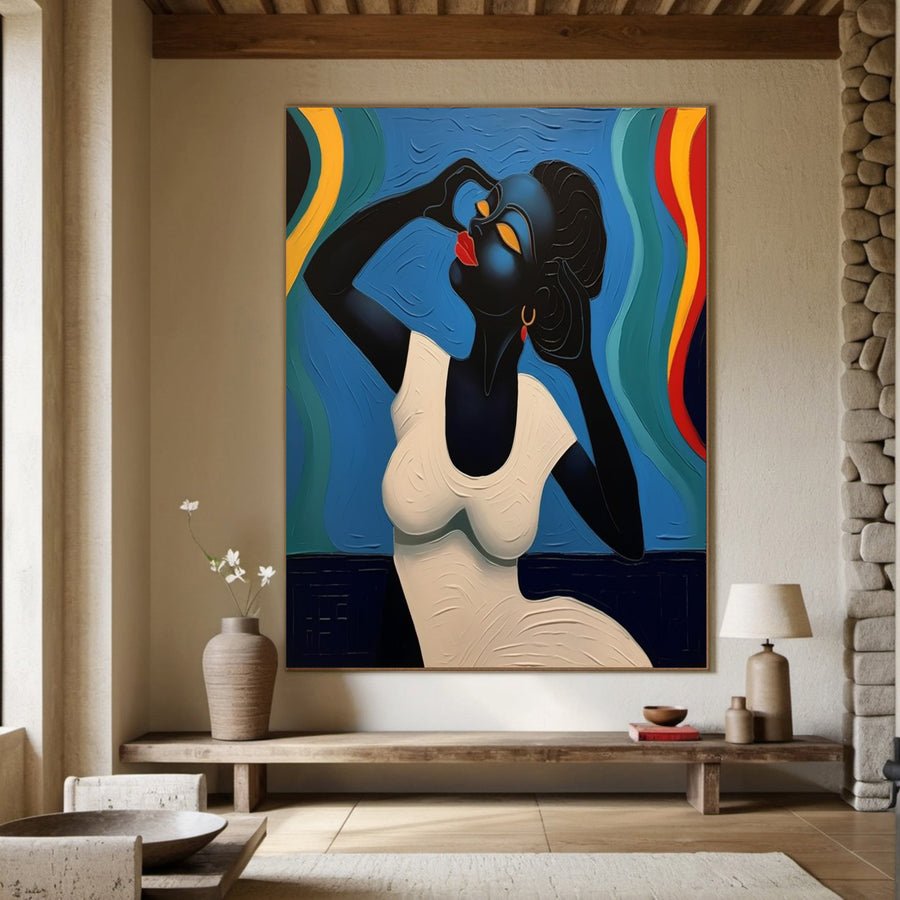
I test the finished object before choosing the canvas
I identify a likely wall without making the recipient’s home feel like a project I control. If the gift is a surprise, I use measurements I can obtain respectfully or choose a format with more display flexibility. I do not guess a wall width from a single room photograph. Camera angle can make furniture and empty space look larger or smaller than they are.
I make a paper outline of the proposed finished size. I include the outer frame and compare the outline with the furniture below it. I stand at the distance where the painting will usually be seen. A broad landscape crop can make the faces smaller than I expect, even on a large canvas. A closer portrait can keep them readable in a more modest size. I compare both before choosing the final shape.
I ask what the quoted dimensions describe. They may refer to the painted canvas, the stretched support or the whole framed object. Those differences matter near a doorway, light switch or narrow wall return. Framing guidance explains that the frame also has a protective and handling role, not only a decorative one.[2] I use that point to ask about the actual assembly rather than choose solely by color. I keep the agreed outer size in the custom commission brief so the finished gift matches the display plan I reviewed.
| Decision | My check |
|---|---|
| Narrow wall | I check the whole frame width |
| Wide photo crop | I test the resulting face size |
| Surprise gift | I choose a flexible display format |
How much time should I leave for the full gift route?
I can read one production estimate and forget review, transit or framing. The gift can miss its presentation date even when painting stays on schedule.
I ask for a stage-based timeline that covers reference review, approvals, painting preparation, packing, transit and any local framing. I add room for questions and destination handling. I do not treat a general estimate as a guaranteed arrival date.
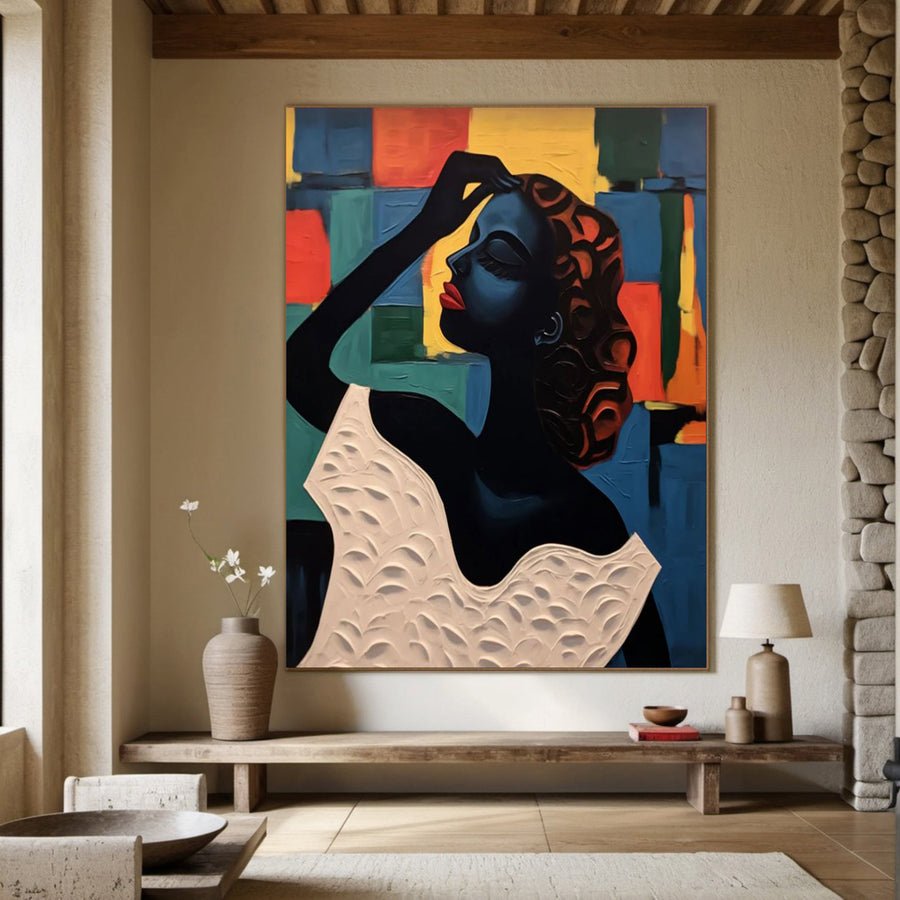
I work back from presentation rather than dispatch
I name the date when I want to present the gift. I also name the destination and delivery format. A target for leaving the studio differs from a target for being framed and ready in the recipient’s home. I ask the project desk to explain the stages between those points. I would rather hear a clear limit early than discover a missing step after the commission is underway.
I include my own review time. I need to answer questions about crop, style and reference detail. I may also need permission from a photographer or help finding a better original file. I do not compress those tasks into the painting stage. If the gift is a surprise, I make sure I can approve the plan without relying on the recipient to solve every detail at the last moment.
I discuss transport and preparation with care. A painting’s materials, surface and construction influence how it should be prepared for travel.[3] I do not ask the artist to skip a necessary preparation step to meet a celebration date. I also allow for local framing if I choose rolled canvas. I ask a framer about availability before I assume that work can happen immediately after delivery. I keep the timeline in writing and distinguish estimates from confirmed commitments. If the complete route does not fit, I choose a later presentation or give a thoughtful note about the planned commission rather than promise an arrival the supplier has not confirmed.
| Decision | My check |
|---|---|
| Painting estimate | I ask what stages it includes |
| Rolled canvas | I add local preparation time |
| Inflexible anniversary date | I check feasibility before paying |
What should I confirm before placing the anniversary commission?
I can make several choices in separate conversations and forget which ones reached the quote. That gap can turn a personal gift into a specification dispute.
I confirm the reference, crop, style, finished size, delivery format, revision scope and target timing in one record. I check what the preview represents and what the price includes. I keep approved changes tied to the same version of the brief.
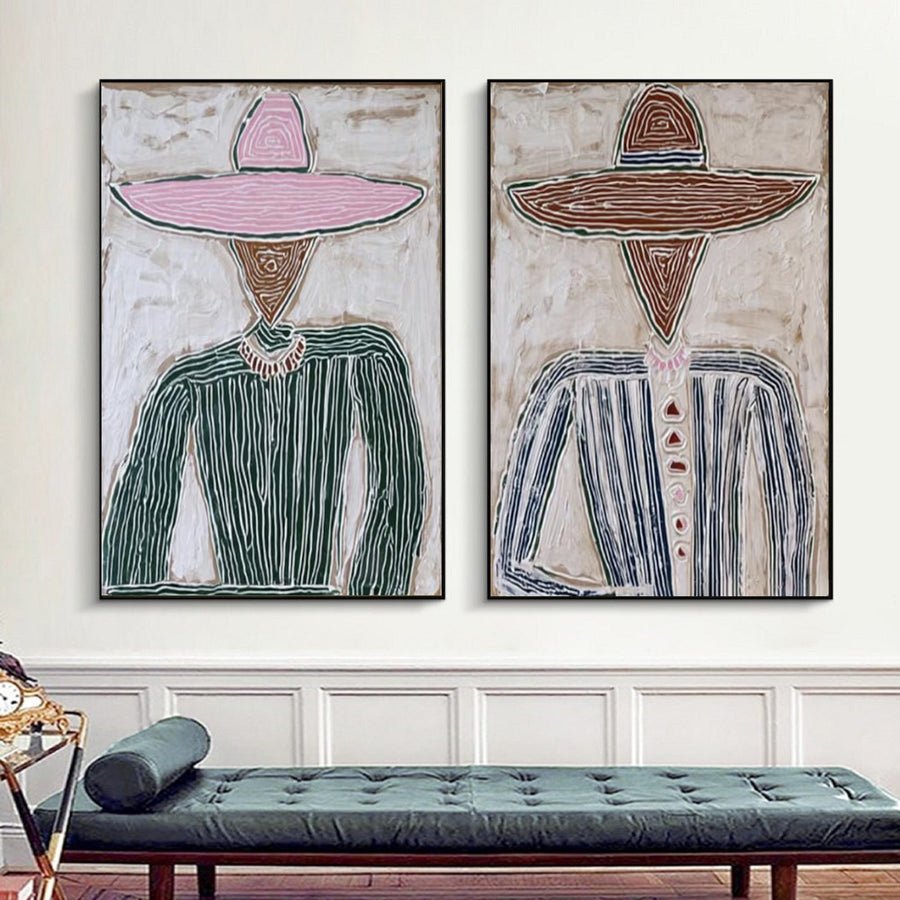
I make one clear order record
I gather the final decisions in a single document or inquiry record. I name the main photograph and any supporting files. I record the intended crop, the style choices and the details that must remain visible. I avoid a vague instruction to use the latest image if several versions exist. A filename and a short description make the reference easier to identify later.
I review the quotation as a complete object. I check whether the frame, shipping, local preparation or hanging work is included. I ask how a change in size, background or person count would affect the scope. I also confirm the review stages and revision terms. A request to adjust a small color area is different from replacing the subject after approval, and the order should make that difference discussable.
I keep the preview’s limits clear. A photo-based display preview can help me compare the crop and frame choice. It does not predict the exact texture, color or facial brushwork of the finished oil painting. I judge it for the decisions it can support and leave painting review to the agreed process. I also plan how I will receive and inspect the package before gifting it. I retain the approved specification, delivery communication and condition photos. These simple records help me separate an artwork concern from a display preference. They also give the recipient useful information about the piece after the celebration has passed.
| Decision | My check |
|---|---|
| Several file versions | I identify one approved source |
| Price comparison | I check inclusions and exclusions |
| Photo-based preview | I use it for composition and framing |
Conclusion
I choose a meaningful memory, test the finished size, and plan every delivery stage. Clear scope lets the anniversary gift remain thoughtful without a rushed promise.