How do I choose a photo for a pet memorial oil painting?
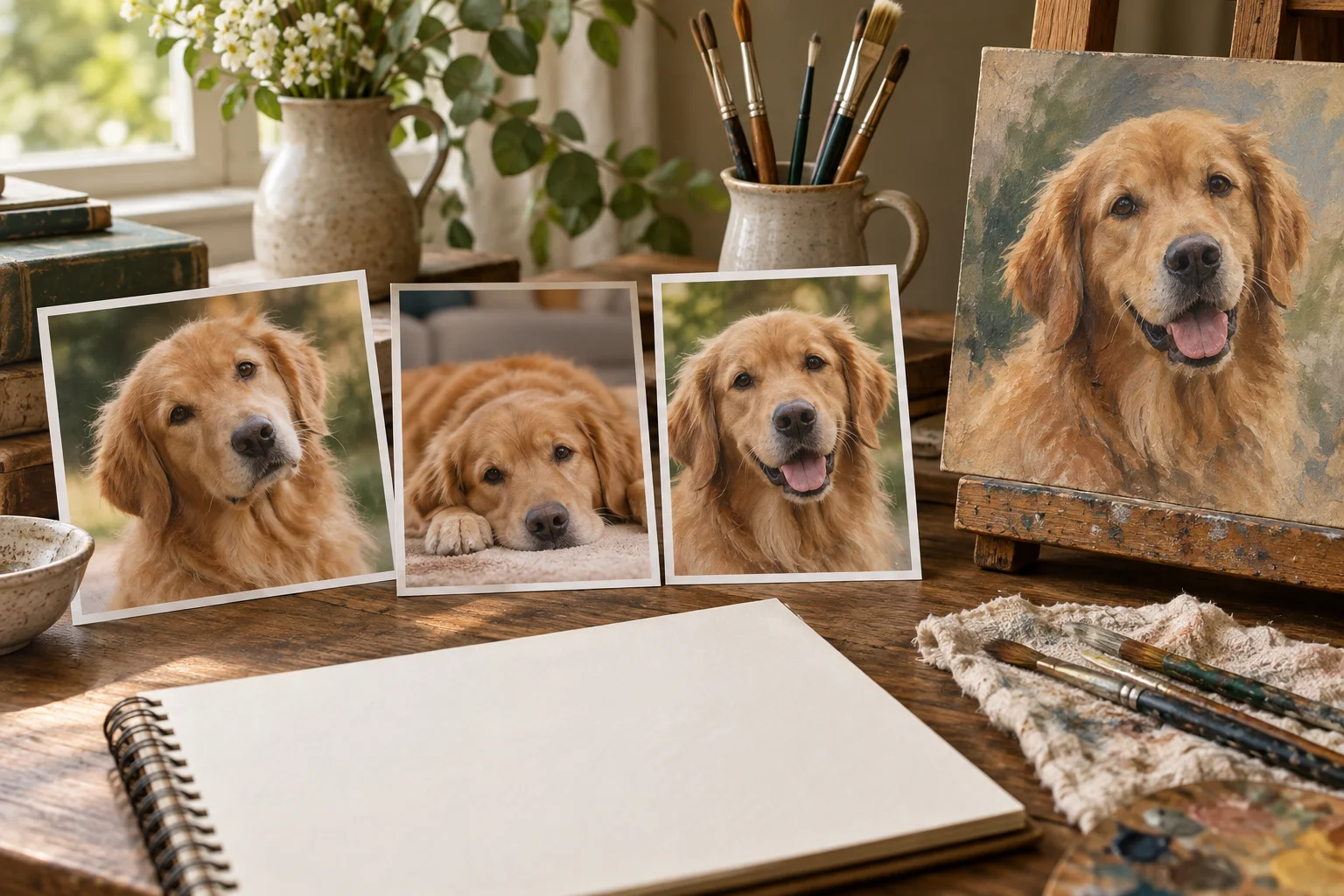
I know a favorite pet photo can feel irreplaceable. A poor reference choice can hide the very expression I want a memorial painting to preserve.
I choose a pet memorial reference by putting familiar expression before perfect staging. I compare eye detail, head shape, coat markings and camera angle, then ask whether the chosen photo can support the requested canvas size and painting style.
I can make a stronger brief without finding a flawless photograph. I start with the details that make the animal recognizable, then separate useful evidence from changes I only imagine.
Which photo best preserves my pet’s familiar expression?
I can choose a technically sharp image and still miss the look I remember. That choice can make a careful painting feel emotionally distant.
I make the expression my first test. I look for a familiar eye shape, head angle, ear position and mouth posture. I use extra photos to explain markings, but I name one main expression reference so the artist has a clear starting point.
I choose recognition before perfect staging
I place three or four possible photos beside each other. I give each one a short note about why it matters. One may show an alert head tilt. Another may show the quiet look my dog had when resting. I do not assume that the happiest-looking photo is the strongest memorial choice. I choose the expression that feels true to the relationship I want to remember.
I then inspect the face at a useful viewing size. I look for the shape around the eyes, the direction of the nose and the place where the ears meet the head. A bright catchlight can help me read an eye, but a flash reflection can hide its shape. I ask the artist to review that difference before I treat either image as reliable evidence. Memorial requests in community discussions show how strongly buyers care about character, but they do not prove that any artist can guarantee likeness.[1]
I keep an unedited copy of the selected photograph. I can add a marked version to point out a detail, but I do not replace the source with a heavily filtered image. I explain whether the collar, tag or blanket belongs in the painting. I also describe one detail that must remain unchanged, such as a pale patch beside the nose. This gives the review a clear purpose. I can then compare the proposed composition with a specific memory instead of a vague demand to make it feel right.
| Decision | My check |
|---|---|
| Familiar head tilt | I keep it as the main expression reference |
| Sharp but unfamiliar pose | I use it only for supporting detail |
| Strong filter | I send the original too |
How much detail does my reference photo need?
I cannot recover missing whiskers or eye shapes by simply choosing a larger canvas. A small file can leave important choices to guesswork.
I check actual facial detail rather than a file-size label. I open the original photo, inspect the eyes and coat boundaries, and avoid screenshots when a better source exists. I ask which details are clear enough to paint and which remain uncertain.
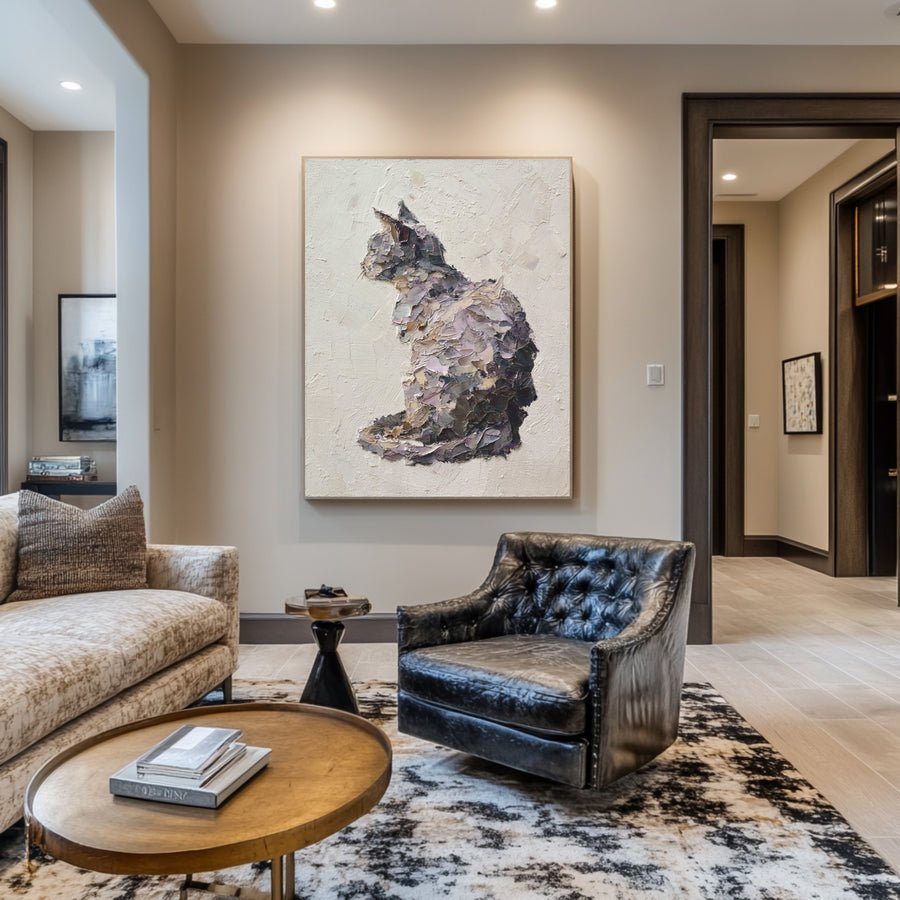
I test the information inside the file
I begin with the original file from the phone, camera or family archive. I avoid sending a cropped social media screenshot as my only reference if the original is available. A large file does not always contain useful detail. A blurred image can have many pixels, while a smaller photograph can show the shape of the face clearly. I judge what I can see rather than treating a number as a promise.
I zoom in enough to inspect the animal, but I do not expect every hair to remain sharp. I check whether I can tell where the dark fur ends and a shadow begins. I compare the shape of each eye and the outline of the muzzle. If the photograph loses those boundaries, I record the uncertainty. I can offer a second image taken in clearer light. I label it as a color or marking reference so it does not silently replace the chosen expression.
I resist using automatic enhancement as if it recovered facts. An enhanced image can invent edges or smooth away a distinctive mark. I can send such a version for discussion, but I also include the untouched source and name what was changed. I ask for a review through the photo painting section before choosing the final specification. I also check that I have permission to use a photograph taken by someone else; owning a copy is not the same as owning its copyright.[2] I would rather choose a simpler interpretation than ask the artist to present guessed detail as certain.
| Decision | My check |
|---|---|
| Original photo available | I send the original file |
| Eyes lost in blur | I provide another face reference |
| Enhanced version | I disclose it and keep the untouched source |
What should I say about the background and pose?
I may focus on my pet’s face and forget the space around it. A cluttered background can compete with the memory I want to keep.
I decide whether the background carries meaning or only distraction. I specify the pose, crop, collar and setting separately. I ask for composition review before painting begins, especially when I want objects removed or a new setting added.
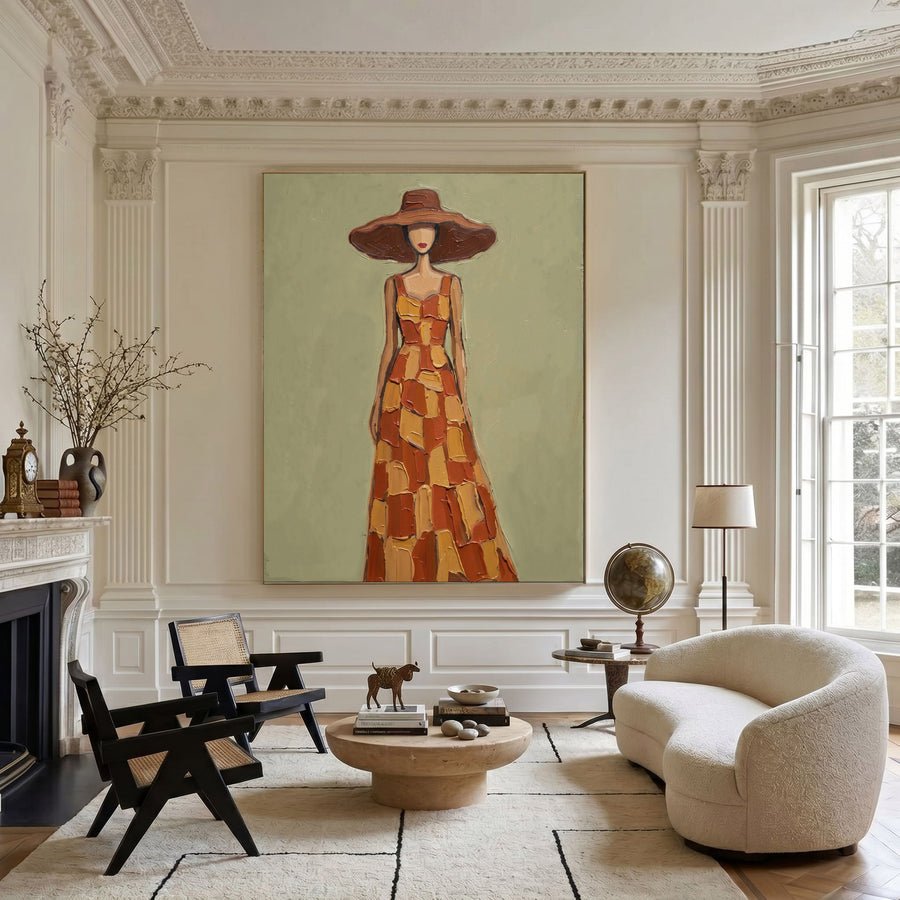
I separate meaningful context from clutter
I write a short background note before I choose a canvas. I may want the garden where my cat liked to sit. I may prefer a simple field of color so the eyes remain the center of attention. Neither choice is automatically better. I make the purpose clear and ask whether the planned crop still gives the animal enough room in the frame. A close head portrait and a full body portrait need different visual space.
I list requested changes one at a time. I might ask to remove a leash, keep a worn collar or simplify a dark sofa. I do not describe all of those decisions with a single request to improve the picture. A collar can carry personal meaning, and an artist cannot infer that meaning from its appearance. I also mark any change that could alter the pose. Removing a hand that supports a small pet may require more than painting over an object.
I review the relationship between the animal and the new setting. A dog photographed from above may not sit naturally in a landscape shown at eye level. I ask how the angle will be handled and whether a different reference would make the result more convincing. I keep changes inside a written custom artwork brief so the quote and review can follow the same plan. I do not treat a digital composition as proof of finished brushwork. I use it to check placement, space and the details that should remain visible before a physical painting is made.
| Decision | My check |
|---|---|
| Meaningful blanket | I ask to retain it |
| Distracting furniture | I ask whether it can be simplified |
| New landscape | I review angle and lighting first |
How do I plan the size, frame and arrival of a memorial painting?
I can choose a moving reference and still face a difficult gift date or unsuitable wall size. Those practical problems can add needless stress.
I measure the intended display area, include the frame’s outer dimensions, and ask for production, drying, packing and transit stages separately. I leave room for review and local preparation. I keep arrival expectations in the quote rather than assuming a universal timetable.
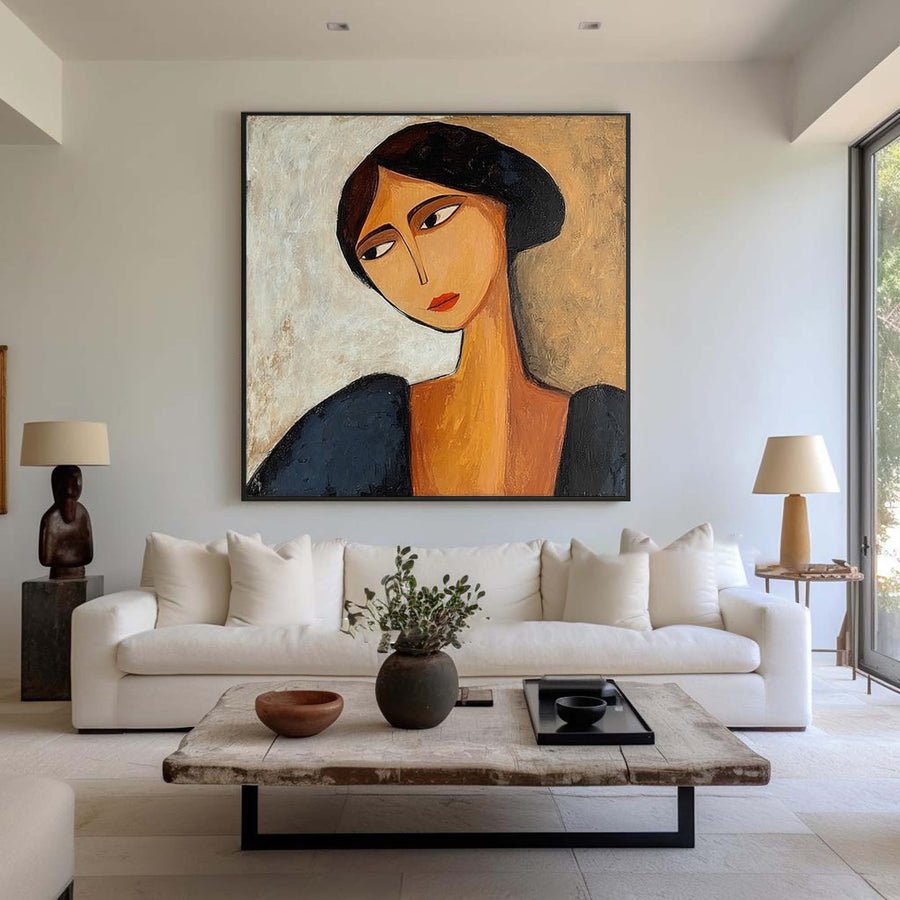
I make the practical choices support the memory
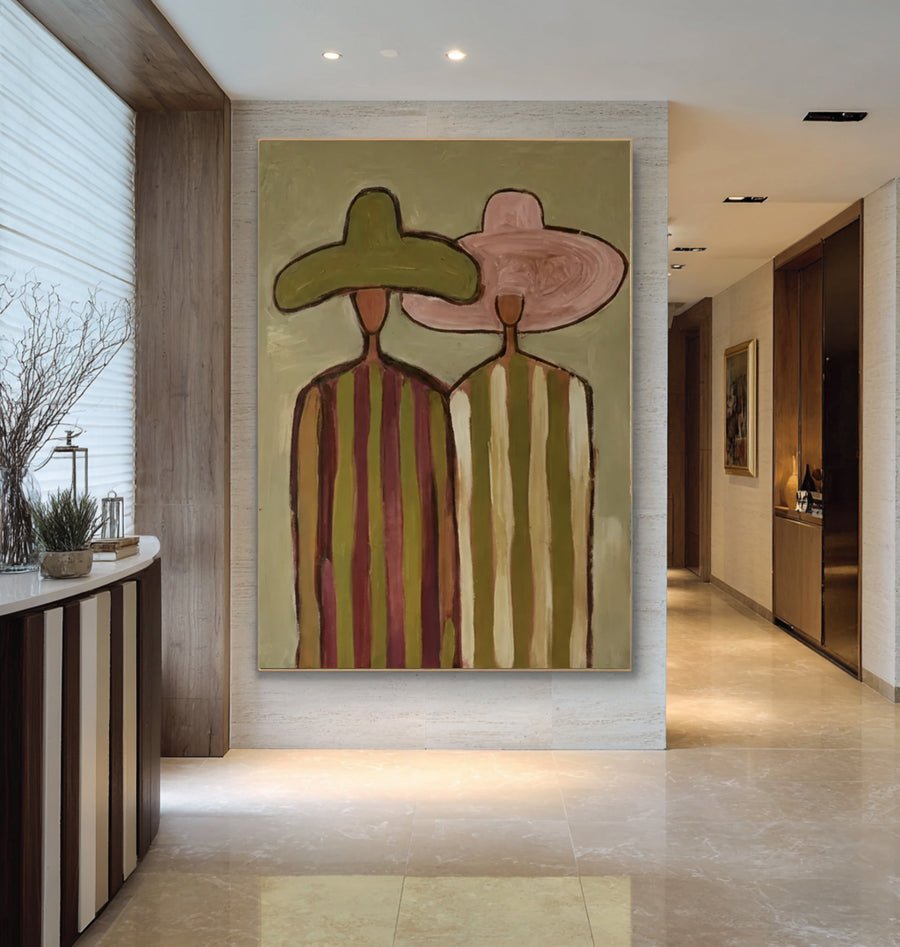
I test the proposed size with paper on the intended wall. I stand at the usual viewing distance and check whether the face would feel clear without being overwhelming. I include the planned frame width in the outline. A canvas measurement describes only part of the finished object, and a narrow display space can become crowded once the outer frame is added. I also ask whether a close crop would work better than enlarging the whole composition.
I compare rolled, stretched and framed delivery as complete routes. Rolled canvas can require a local framer, extra time and a discussion about suitable margins. A framed work takes more shipping space and needs a confirmed finished size. I ask what is included rather than treating any format as automatically ready for my wall. I keep the selected artwork, finish and delivery format together in the order record.
I plan timing gently. A memorial painting does not need to arrive on an emotionally important day to have value. If I intend it as a gift, I check whether the recipient wants that kind of reminder and whether the subject should remain a surprise. I ask for a realistic review and delivery plan without demanding a drying shortcut. After arrival, I follow the supplied care advice and choose a stable indoor display position. Conservation guidance helps explain why location and handling matter, but it does not replace care advice for the actual materials.[3] I keep packaging and condition photos until I know the work arrived as expected.
| Decision | My check |
|---|---|
| Small display area | I include the frame in my paper outline |
| Rolled canvas | I arrange a local framing review |
| Sensitive gift date | I confirm readiness and timing separately |
Conclusion
I choose the expression first, document clear details, and plan the finished size and timing. A thoughtful reference brief makes the memorial decision easier to review.