How do I plan the size and placement of art above a bed?
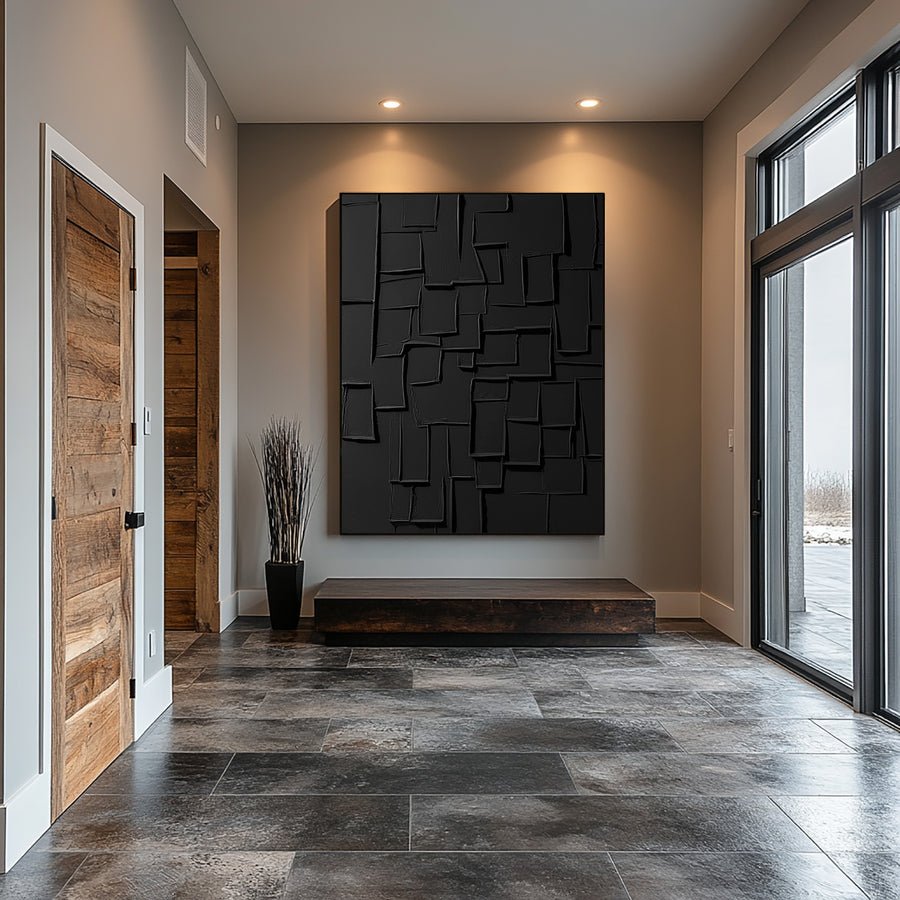
I can choose a dramatic painting above a bed and overlook how it relates to the headboard or pillows. A strong image still needs a careful placement plan.
I compare the finished artwork width with the bed and headboard, test its height from normal room views, and confirm a suitable mounting plan. I include frame dimensions and depth. I avoid placing a heavy or poorly supported work above sleepers without appropriate installation advice.
I plan the image and the physical object together. I check the outline, viewing position, lighting and mounting before deciding that the wall is ready for art.
Should I size the painting against the bed or headboard?
I can match a painting to the mattress width while ignoring a wider headboard. The composition may feel disconnected from the furniture it sits above.
I compare the painting’s finished outside width with the visible bed and headboard together. I test more than one outline rather than rely on a fixed percentage. I choose the size that creates a clear relationship without crowding nearby furniture or fixtures.

I compare the visible furniture group
I look at the bed as it appears in the room. I include the headboard, bedding and any nearby bedside furniture that affects the visual group. I do not use the mattress measurement alone when a headboard extends beyond it. I also check whether the bed is centered on the wall. An off-center bed can make a painting centered on the wall feel unrelated to the place where people sleep. I decide which alignment the arrangement should follow.
I mark two or three possible finished outlines. I include the frame so the comparison describes the object I will install. I step back to the doorway and normal room positions. I ask whether the work feels connected to the bed without becoming cramped between lamps, shelves or a ceiling feature. I do not treat a familiar proportion rule as a command. The room, furniture and painting shape can make a different relationship more useful.
I confirm the size label before ordering. The visible painting and the outside frame may not share the same dimensions. Framing guidance explains why fit and support need attention beyond appearance.[1] I ask for the actual outside measurements of the selected option. I use the custom artwork service to discuss a size that follows the tested outline. I keep the comparison tied to the real furniture rather than to a staged room image with uncertain scale.
| Decision | My check |
|---|---|
| Wide headboard | I compare its full visible width |
| Off-center bed | I choose the intended alignment |
| Frame selected | I test outside dimensions |
How do I choose a useful height above the headboard?
I can raise the painting to fill empty wall space and leave it detached from the bed. A low position can also conflict with movement or pillows.
I test the artwork outline at several heights and view it from the doorway and normal seating positions. I check the headboard, pillows and nearby fixtures. I confirm an installation plan that keeps the work supported and outside likely contact, rather than using one universal gap.

I test height with the bed in normal use
I arrange the bed as it is normally used before testing height. I include pillows that rise above the headboard and any adjustable parts that may move. I mark the proposed outline with a wall-safe method. I inspect it from the doorway and other common viewpoints. I do not decide by measuring a gap in an empty room that looks different once bedding and lamps return. I want the painting to relate to the bed as people actually see it.
I compare a slightly higher and lower placement. I ask whether the work looks connected to the headboard or floats in the upper wall. I also check whether a lower edge sits near a place where people sit up, reach or move pillows. I do not choose a gap solely because it looks attractive in a photograph. I consider daily contact and the object’s physical depth. I seek appropriate advice if the arrangement places a substantial work above sleepers.
I account for the mounting position on the actual object. The hardware location can affect where the frame hangs relative to the wall marking. I do not calculate the final drill points from the canvas edge alone. I follow the supplied instructions and use a suitable system for the wall and weight. Handling guidance supports planning before moving a painting into position.[2] I arrange help when needed. I confirm the height through the complete mounting plan rather than assuming the outline itself explains how to install the work.
| Decision | My check |
|---|---|
| Tall pillows | I test with normal bedding |
| Lower edge | I check likely contact |
| Mounting point | I follow the actual hardware instructions |
How do color and texture change the bedroom display?
I can select art from a bright product photograph and find it feels too strong beside the bedding. Texture can also cast unexpected shadows under bedside lighting.
I compare the artwork with the room’s main colors and actual lighting. I decide whether it should create a focal point or a quieter background. I ask for surface information and test the intended light direction, without expecting an exact screen-to-room color match.

I choose the artwork’s role in the room
I identify the colors already doing most of the work in the bedroom. I look at the wall, headboard and larger bedding areas rather than collecting every small accessory shade. I decide whether the painting should repeat one of those colors, provide contrast or introduce a new focus. I do not assume that matching every color makes a room calmer. I compare the overall balance and the image’s purpose from a normal viewing distance.
I inspect the light at the intended position. Bedside lamps can create a different view from daylight at a window. A raised surface may show stronger shadows under side light. A glossy area may reflect a fixture. I ask for an accurate description of the offered materials and texture. I do not infer the surface from a digital room mockup or expect a front-facing image to explain every angle. I also avoid promising that a particular color will produce a specific emotional or health effect.
I consider the painting’s care needs before choosing the brightest wall. Display guidance provides background on protection from damaging conditions.[3] I use the actual work’s care information to assess direct sunlight, nearby heat or moisture concerns. I compare relevant pieces in the artwork collection with those limits in mind. I let the intended room role guide the visual choice while the material information guides whether the location is suitable for the object.
| Decision | My check |
|---|---|
| Color role | I choose contrast or repetition |
| Bedside lighting | I check glare and texture shadows |
| Bright wall | I review care conditions |
What should I confirm before hanging art above sleepers?
I can treat installation as a final small task after choosing the picture. An unsuitable wall or mounting system can make the location inappropriate for the work.
I confirm the object’s weight, format, hardware and wall conditions with a suitable installer when needed. I follow the actual mounting instructions and avoid improvised support. I choose another location if I cannot establish a secure arrangement above the bed.

I make support a condition of the placement
I ask for the actual weight and format of the selected work. I do not estimate them from the image or assume a larger frame has the same mounting requirements as a small canvas. I inspect the supplied hardware and instructions. I identify the wall construction with appropriate help rather than guess from its painted surface. I use an installation approach suited to both the wall and the object. A general article cannot confirm those conditions in my room.
I plan the handling route before lifting the painting. I clear the area and arrange enough help for the size and shape. I avoid resting the work on pillows or gripping the painted face as a shortcut. Painting-handling guidance emphasizes careful planning and support. I use that background alongside the supplied instructions. I do not improvise a hanging system because the selected height is convenient. If the installation requires skills or information I lack, I involve a suitable professional.
I treat secure support as part of the location choice. If I cannot establish it, I select another wall or a different object rather than accept uncertainty above the bed. I keep the mounting information with the artwork records and check it after any move or change. I also recheck nearby fixtures and daily contact after installation. I do not assume that a good-looking arrangement proves a safe one. The painting can become a bedroom focal point only after its physical placement has been properly resolved.
| Decision | My check |
|---|---|
| Weight and wall | I confirm the actual conditions |
| Installation uncertain | I seek suitable help |
| Support unresolved | I choose another location |
Conclusion
I compare the finished outline with the bed, test the view and confirm safe support. I choose the placement before letting the image define the whole room.