How do I choose wall art for a narrow hallway?
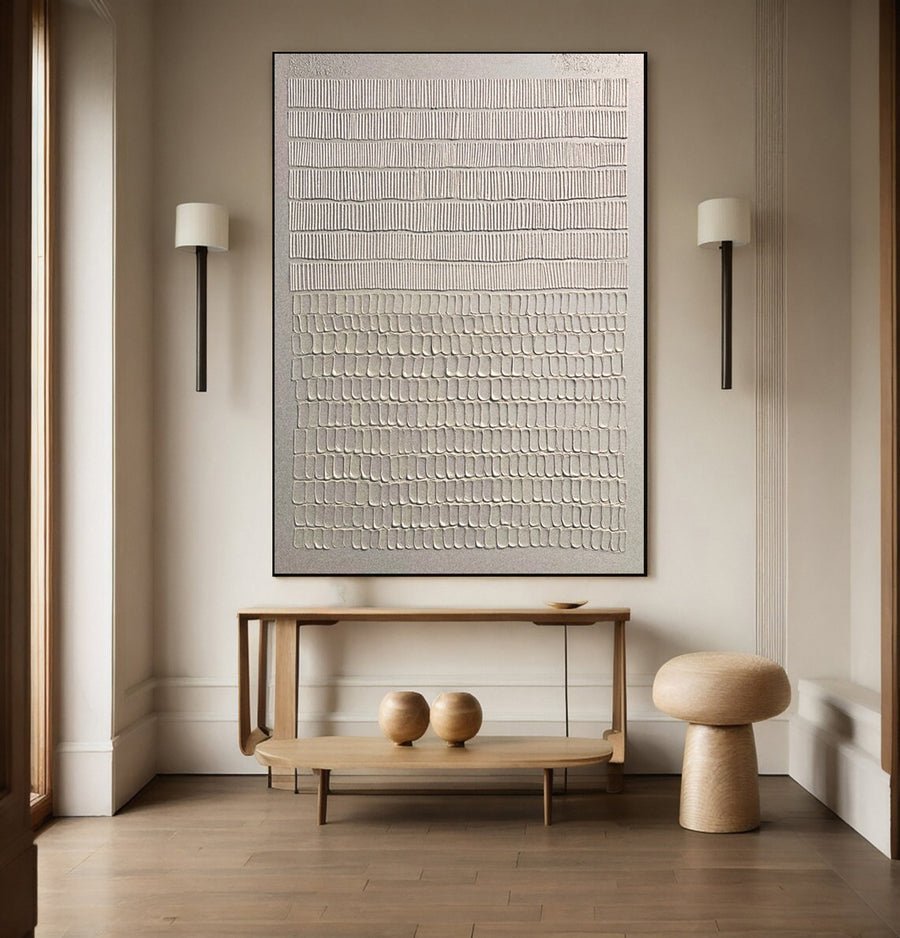
I can choose art that fits a hallway wall but crowds the route beside it. A narrow passage needs a different test from a wide living-room display.
I choose hallway art by measuring clear wall space, walking clearance, door movement and viewing angles. I test the finished frame outline and depth before ordering. I use a restrained layout when close viewing makes a larger or projecting work feel crowded.
I consider the hallway as a route first and a display second. I check how the painting looks and behaves while people move through the space.
Which hallway measurements matter before choosing art?
I can measure the wall width and forget the door that swings across it. A painting that fits on paper may conflict with everyday movement.
I measure the usable wall area, passage width, door movement and any nearby switches or fixtures. I record the finished outside frame dimensions and depth. I keep access and movement clear, then compare artwork sizes within the remaining space.
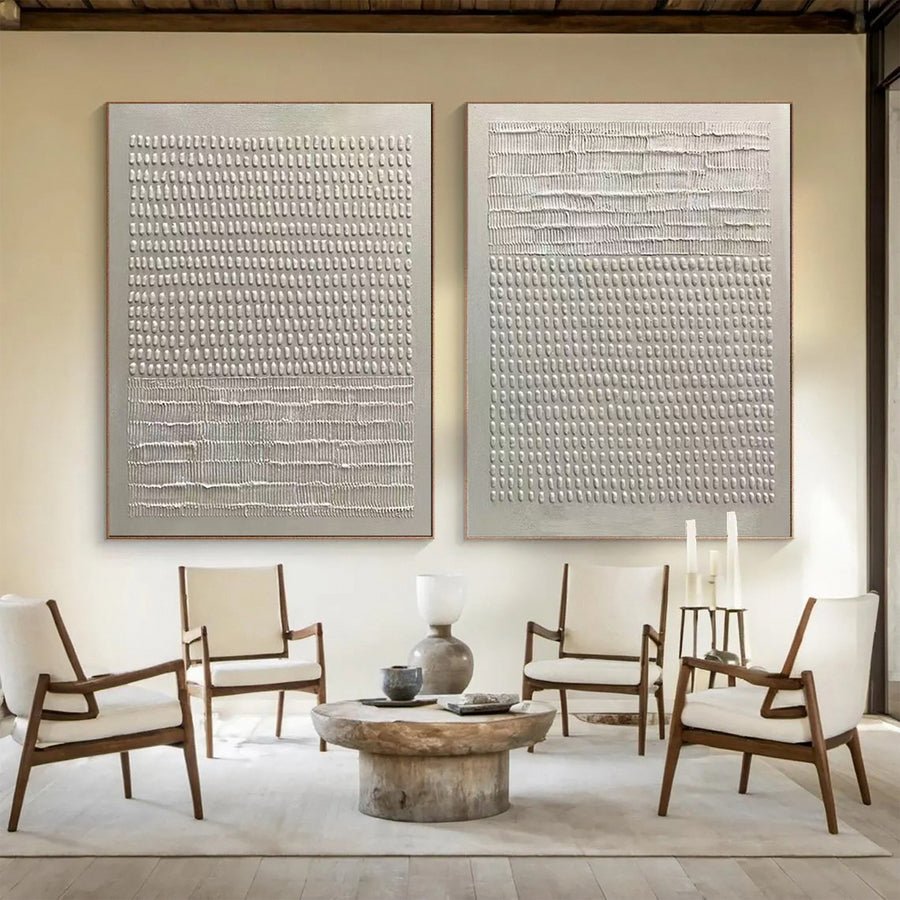
I measure the route around the painting
I begin with the section of wall that is actually usable. I note doors, switches, thermostats and other features I need to reach. I do not count the full wall length as display space if part of it sits behind a door or furniture. I check door movement through its normal range. I also consider what people carry through the hallway, such as bags or laundry. I want the placement to work during ordinary use, not only in an empty photograph.
I record the finished artwork dimensions. A frame can add width, height and depth beyond the canvas face. I ask which measurements appear in the listing and request the outside figures for the selected option. I avoid choosing solely from a room mockup that does not provide scale. A hallway discussion in a decorating community shows how often size and placement become linked questions.[1] I use that concern to test my own space rather than apply a universal proportion to every corridor.
I mark the proposed outline with paper or a method suitable for the wall surface. I walk past it and open nearby doors. I ask whether the outline feels balanced without obstructing access. I keep building-specific access requirements in mind and seek appropriate advice when needed. I use the custom artwork service to discuss a size that fits the measured area. I do not ask a supplier to infer passage clearance from a close photograph of the wall.
| Decision | My check |
|---|---|
| Door swing | I test the normal movement |
| Finished dimensions | I include the frame |
| Access point | I keep it reachable |
Should I choose one painting or several smaller works?
I can fill a narrow wall with many small pieces and create a busy corridor. A single oversized work can cause the opposite problem by overwhelming close viewers.
I compare the full arrangement rather than individual sizes. I test one clear focal work against a smaller series with consistent spacing. I choose the layout that stays readable from the hallway’s real approach angles and leaves useful wall space around it.
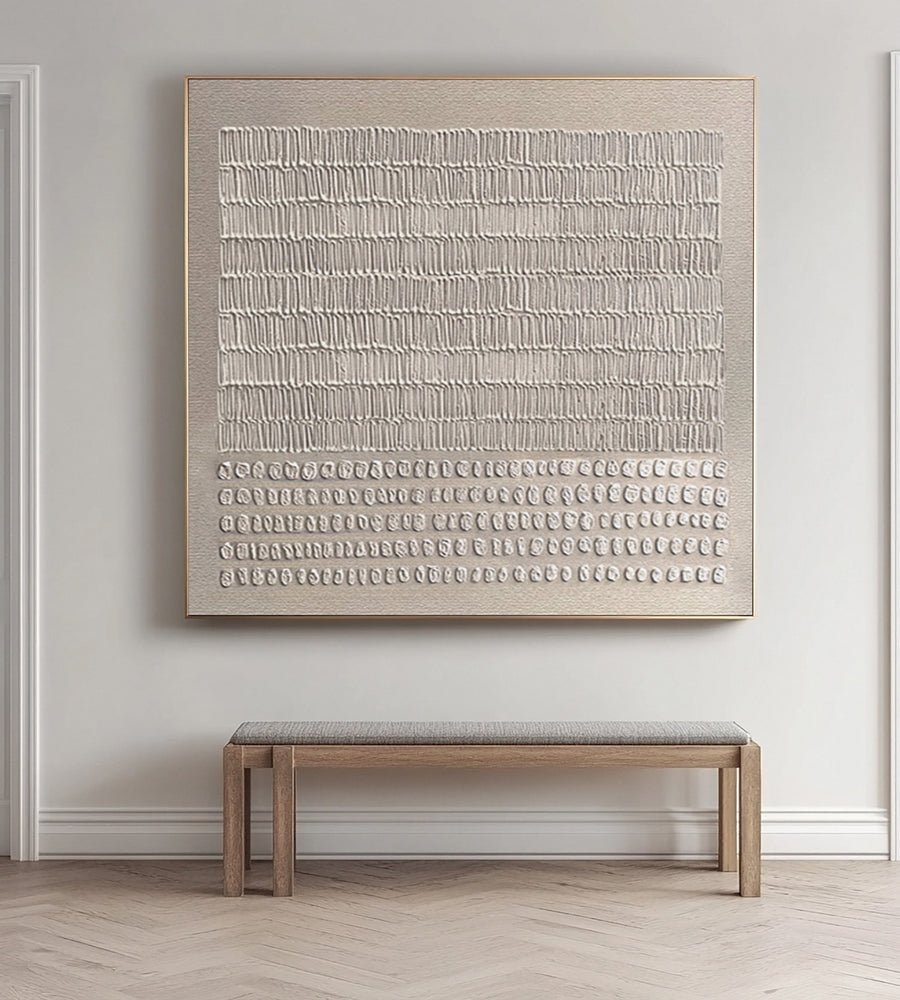
I judge the arrangement as one display
I sketch the complete display inside the usable wall area. If I consider several works, I include the gaps and outside frame sizes. I do not add up only the canvas widths. A series can use more room than expected once the spacing is included. I compare that outline with a single work that occupies a similar overall area. I ask which arrangement feels clear when I enter the hallway rather than when I stand directly in front of it.
I consider the distance available for viewing. A narrow passage may force people to see the work from close range or at an angle. A very detailed wide painting may be harder to read as one composition in that setting. A smaller series can create a rhythm along the route, but too many competing images can make the wall feel crowded. I choose a layout with a clear visual purpose instead of using small works simply because they seem easier to fit.
I keep the physical arrangement manageable. I ask about the combined weight, mounting approach and frame depth for the actual works. I use display guidance as background for stable placement and protection.[3] I do not treat a paper layout as confirmation that the wall can support the assembly. I compare relevant options through the artwork collection and keep their outside measurements together. If I change the number of panels, I repeat the full arrangement test before deciding.
| Decision | My check |
|---|---|
| Several works | I include gaps and frames |
| Close viewing | I test the whole composition |
| Panel count changed | I measure the arrangement again |
How do frame depth and surface texture affect a passage?
I can focus on the front image and overlook a projecting frame or raised surface. Close traffic can make those physical details more important than they seem online.
I ask for the actual depth and surface description, then test how far the finished work projects into the route. I avoid exposed placement where people or carried objects may brush it. I seek a suitable mounting plan rather than assuming a shallow-looking image is safe.
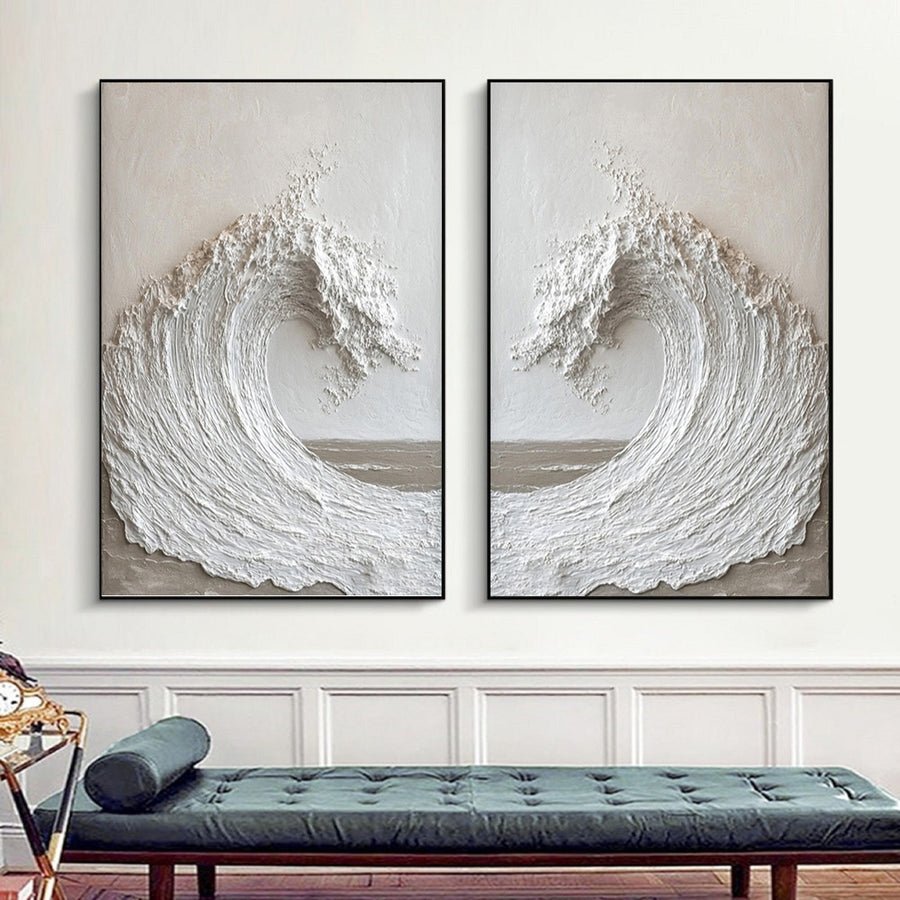
I check the side profile as well as the front
I ask for the total projection from the wall, including the frame and mounting arrangement where known. A front-facing product image may hide that dimension. I compare the figure with the hallway’s available clearance and normal movement. I do not assume that a slim-looking frame has little depth. I also check whether the work has raised texture or exposed edges that need more protection from contact. I ask about the actual construction rather than judging it from a dramatic surface photograph.
I imagine ordinary contact risks. A shoulder, a bag or a moving box can pass close to the wall. I do not place a vulnerable surface where brushing is likely simply because the composition looks attractive there. I consider another section of the hallway or a different format. I also avoid using the artwork as a physical obstacle to control movement. I want it to stay outside the route people naturally use.
I handle the work using the supplied instructions and seek help for awkward sizes. Painting-handling guidance emphasizes planned, careful movement.[2] I use that background before trying to carry or mount the artwork in a confined passage. I do not improvise a grip on the painted surface or assume one person can manage every size. I confirm an appropriate mounting approach for the actual wall and object. A successful hallway choice depends on the side profile and handling path as well as the picture seen from the front.
| Decision | My check |
|---|---|
| Outside depth | I request the side measurement |
| Likely contact | I choose a safer position |
| Awkward installation | I plan help before moving it |
How do I test lighting and placement before installation?
I can judge the artwork under bright daytime light and miss a dim evening corridor. Glare or shadows may make the selected image harder to see.
I inspect the intended position at the times the hallway is used. I compare glare, visibility and nearby heat or moisture sources. I choose a stable display location and confirm mounting before installation, rather than using brighter light to solve every placement problem.
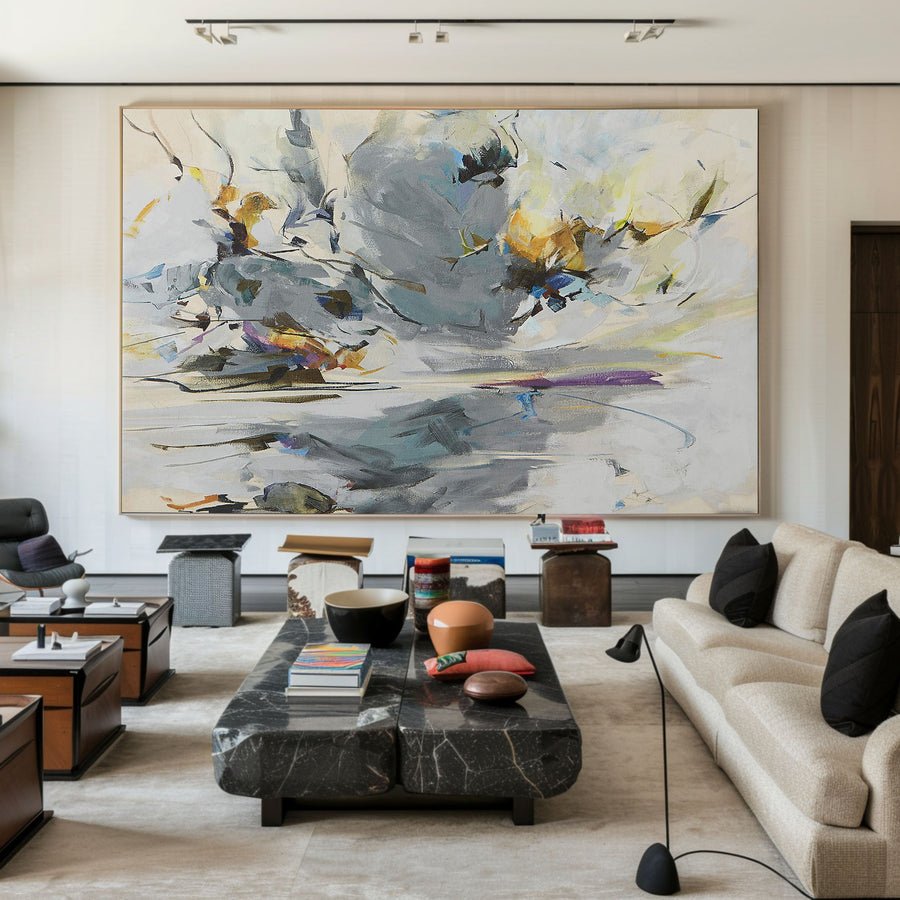
I review the hallway through its normal day
I visit the proposed location in daylight and in the evening. I note whether a window creates glare or whether a light fixture casts uneven shadows. I view the outline from both ends of the hallway. I do not assume the work will always be seen straight on. I also check whether one position looks clear when approaching but disappears behind a door when leaving. I use those observations to adjust the placement before making holes.
I consider the environment around the wall. A nearby radiator, a damp entry area or direct sunlight can make a position less suitable for a painting. Conservation display guidance provides background on avoiding damaging conditions. I use the actual work’s material and care information for the final choice. I do not invent a universal temperature or humidity number from a product image. If the environment is uncertain, I ask for relevant guidance rather than treating a brighter lamp as the only solution.
I confirm the wall and mounting system before installation. I take account of the work’s weight and format and use appropriate help where needed. I keep the hanging instructions and outside dimensions available. I then review the installed work from the real walking route. I check that doors and access points remain clear. If the placement feels crowded, I reconsider the arrangement instead of adding more pieces to balance an already overloaded wall. I keep the hallway’s daily use visible in the final decision.
| Decision | My check |
|---|---|
| Evening light | I test actual visibility |
| Environmental concern | I check care guidance |
| Installed position | I recheck movement and access |
Conclusion
I test hallway art from the walking route, not just from the wall. I confirm outside size, depth and safe mounting before choosing the composition.