How do I choose a float frame for a canvas painting?
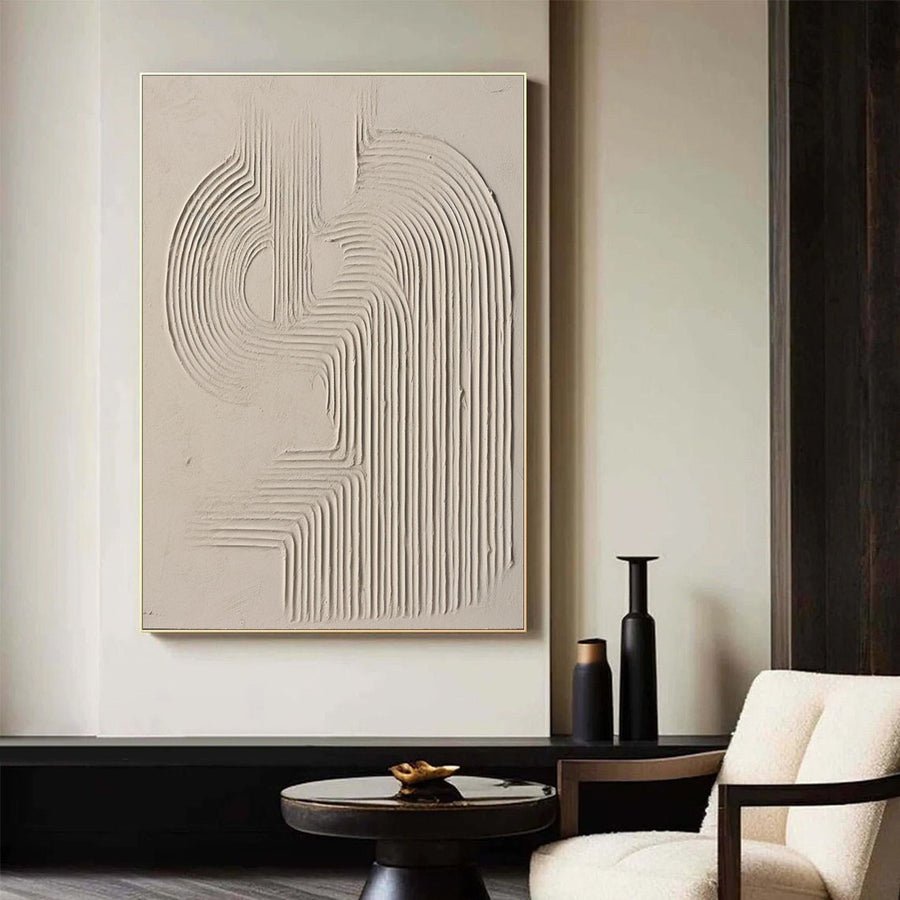
I can like the clean gap of a float frame and still choose one that does not suit my canvas. The visible style hides practical fit questions.
I choose a float frame by the actual canvas dimensions, depth, edge treatment and suitable support method. I compare the gap and finish in context, then ask a qualified framer to confirm fit and attachment before ordering.
I treat the floating look as a design effect, then check the construction that supports it. Those two checks help me avoid buying a frame from appearance alone.
What measurements should I give the framer?
I can order by the canvas's nominal size and miss its actual depth or uneven dimensions. That can leave a frame that looks right but fits poorly.
I provide the measured width, height and depth of the stretched canvas, plus photographs of its edges and back. I ask the framer what allowance and support the particular work needs.

I measure the object that will enter the frame
I begin with the stretched canvas rather than the listing's general size label. I measure its width and height and note whether a stated size is approximate. I also record the depth from front to back. A float frame has a relationship with the whole object, not only the visible painted area.
I avoid pressing a ruler against vulnerable paint. I take measurements from safe edges and ask a framer for help if the structure or surface makes that difficult. The Canadian Conservation Institute's handling guidance supports careful planning before moving or inspecting a painting.[1] I do not risk the object for a more convenient measurement.
I photograph the edges and back so that the framer can understand the general construction. I explain any known raised paint near the edge. I do not assume that a photograph gives enough information for final fitting. The framer may need to inspect the object before confirming the attachment and clearances.
I ask which dimensions will appear on the order. The canvas size, visible gap and frame's outside size are different measurements. I need the outside size for wall planning and the canvas dimensions for fit. I discuss the supplied format through the custom-art service when commissioning a work. I want the painting and frame decisions to refer to the same version, rather than a reference image with an unknown depth.
| Decision | My check |
|---|---|
| Canvas width and height | I measure the actual stretched object. |
| Canvas depth | I check the front-to-back dimension. |
| Outside frame size | I use it for the final wall layout. |
How large should the visible gap look?
I can copy a gap from a photograph and find it distracting on my own work. Scale and edge color change the effect.
I compare a few gap options around the actual painting or a clearly labeled preview. I choose the space that supports the composition, while leaving technical fit and safe clearance to the framer.
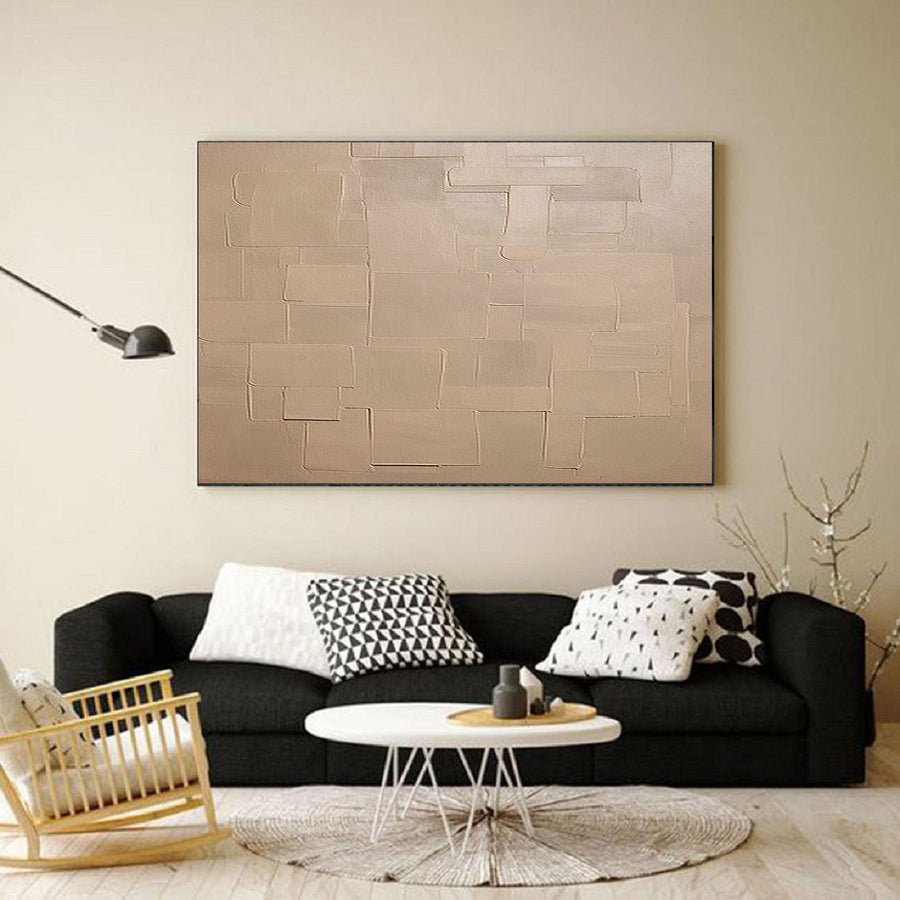
I judge the gap as part of the whole composition
I look at the gap from the distance where I will usually see the painting. A narrow shadow may make the canvas feel connected to the frame. A wider space may emphasize it as a separate object. I do not pick a universal gap width because the painting's size, edge treatment and frame face all change the effect.
I compare the edges with the frame finish. A dark canvas edge next to a dark inner frame can make the gap less noticeable. A pale edge against a dark frame can make it stronger. I ask whether the side is painted, plain or otherwise finished. This is especially important when the float frame deliberately exposes it.
I use a preview to explore appearance, not to confirm the physical fit. The Canadian Conservation Institute's framing guidance connects frame choice with protection and support.[2] I ask a suitable framer to explain the clearances for my actual painting. I do not reduce that question to a decorative gap seen on a screen.
I also check the room around the frame. A busy wall or a nearby dark cabinet may make a strong border feel heavy. A simple pale wall may allow more contrast. I try two or three clear options rather than many small variations. I choose the gap that keeps attention on the work, then ask for the outside dimensions so that the final arrangement still fits the intended wall.
| Decision | My check |
|---|---|
| Gap appearance | I compare it at normal viewing distance. |
| Canvas edge | I check its finish against the inner frame. |
| Physical clearance | I ask the framer to confirm suitability. |
Which finish should I compare with the painting?
I can select a frame from a small swatch and overlook its effect on the whole canvas. A finish can compete with the image.
I compare the finish beside the painting and against the room's wall, furniture and light. I check the visible face, inner color and surface sheen rather than relying on a finish name alone.
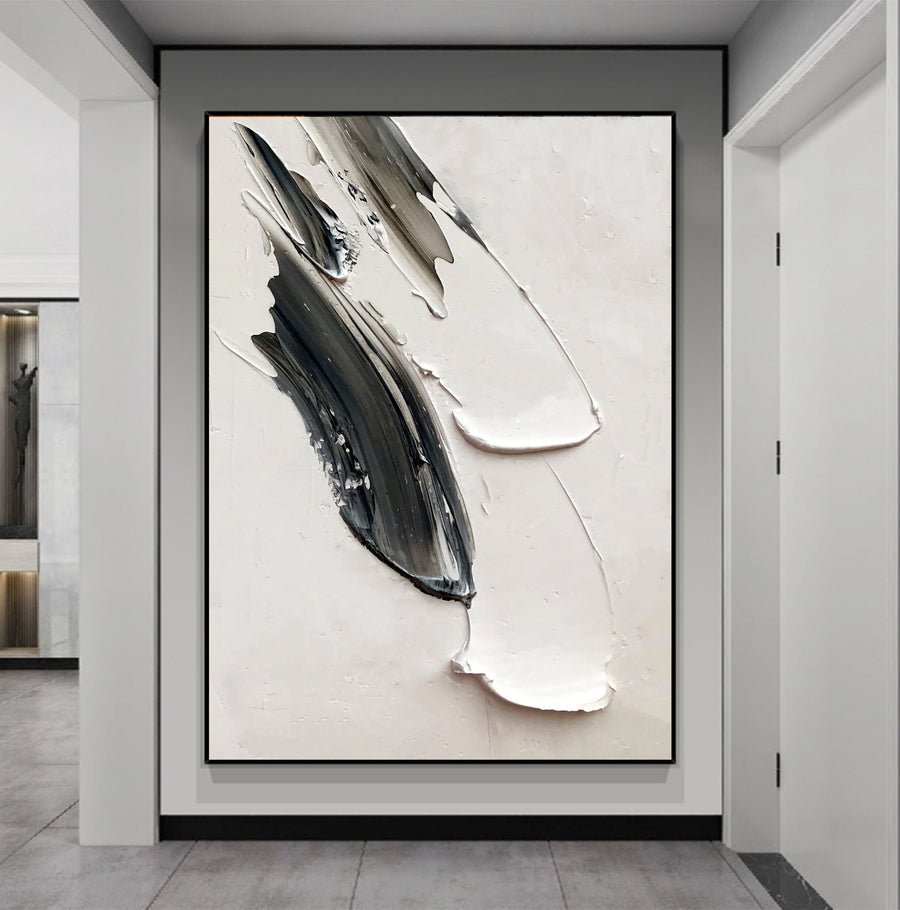
I test contrast rather than chase matching names
I begin with the painting's main dark and light areas. A black frame can add a strong boundary, while a pale or wood finish may feel softer. These are design possibilities, not fixed rules. I look at whether the frame repeats an important color or introduces a new one that pulls attention away from the work.
I check the inner surface as well as the visible front. A float frame exposes that area through the gap. A dark inner surface may create a deeper-looking shadow. A lighter one may make the gap more visible. I ask for a clear view of both parts, because a finish name may describe only the front face.
I think about light and sheen. A bright reflective finish can change as I move through the room. A quieter finish may compete less with a textured surface. I use ordinary room lighting for the comparison when possible. I do not assume that a studio photograph shows how the frame will look under my wall light.
I keep finish choice separate from material and construction claims. A wood-look description does not by itself identify the material, and gold describes appearance rather than a guaranteed composition. I ask for the actual product details. For a coordinated project, I use the trade program to discuss consistent finish references. I want a clear visual choice and a suitable frame, with both described in the order.
| Decision | My check |
|---|---|
| Front finish | I compare contrast with the painting. |
| Inner finish | I check the color visible through the gap. |
| Sheen | I judge reflections under room light. |
What should I confirm before the frame is fitted?
I can settle the look and forget the fitting details. A decorative choice still needs a safe way to support and display the painting.
I confirm the outside dimensions, suitable attachment, supplied hanging arrangement and handling plan with the framer. I ask for object-specific advice and avoid changing fittings or touching vulnerable surfaces myself.
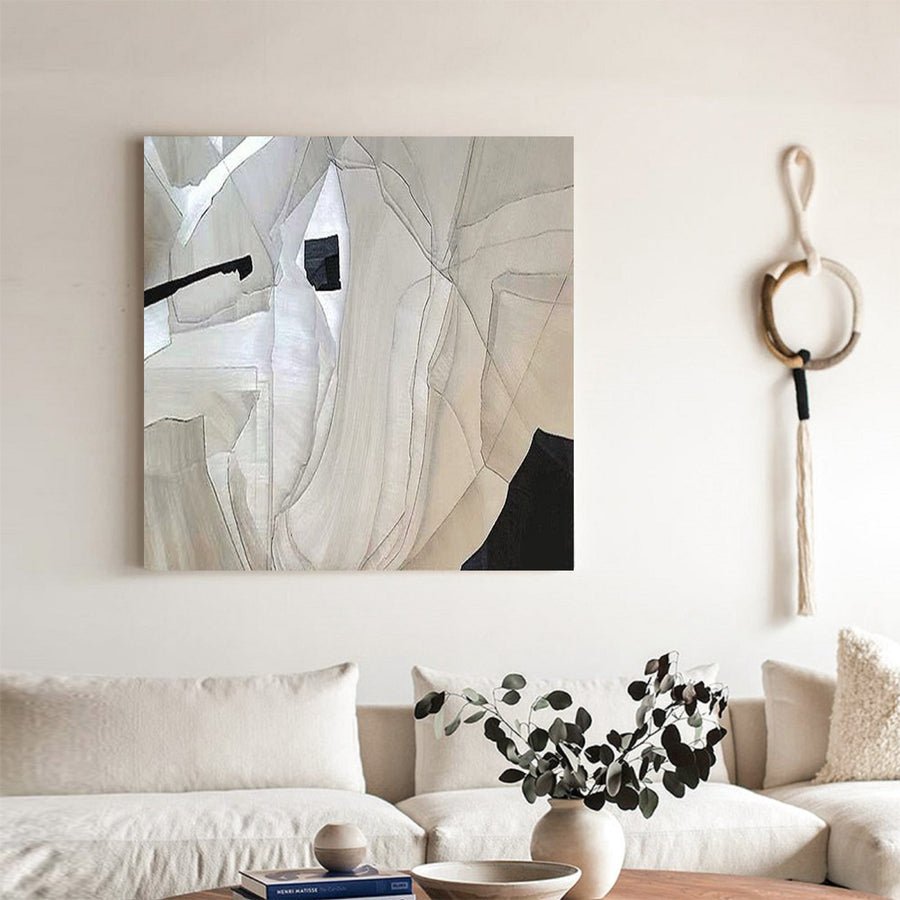
I make the fitting handover clear
I give the framer the painting's available material information and any known condition concerns. I mention raised paint, loose areas or earlier damage rather than assuming these will be obvious from the front. Basic care guidance from the Canadian Conservation Institute supports protecting the surface and seeking appropriate advice for concerns.[3]
I ask how the frame will hold the object and whether the proposed method suits its construction. I do not select fasteners from an online image or ask the framer to use an attachment merely because it looks hidden. The canvas and stretcher need a suitable relationship with the frame. The person doing the fitting should be able to explain it in useful terms.
I confirm the final outside dimensions and weight information available for installation planning. I discuss the intended wall with a suitable installer if needed. A supplied hanging fitting does not tell me everything about the wall or a safe installation. I keep those responsibilities clear rather than assuming the float frame makes the work ready for any surface.
I retain the frame description and any fitting advice with the painting record. If the work moves later, I can explain how it was framed without guessing. I also ask how to handle it after fitting. My final choice includes the look I want, the support the object needs and the information required for display. I do not let the clean visual effect hide those practical decisions.
| Decision | My check |
|---|---|
| Attachment | I request a method suited to the object. |
| Installation | I check weight, wall and hanging needs. |
| Record | I retain the frame and fitting details. |
Conclusion
I choose the floating look after checking the canvas and fit. Clear measurements, suitable support and a tested finish make the decision easier.