What should I ask a local framer before ordering rolled canvas?
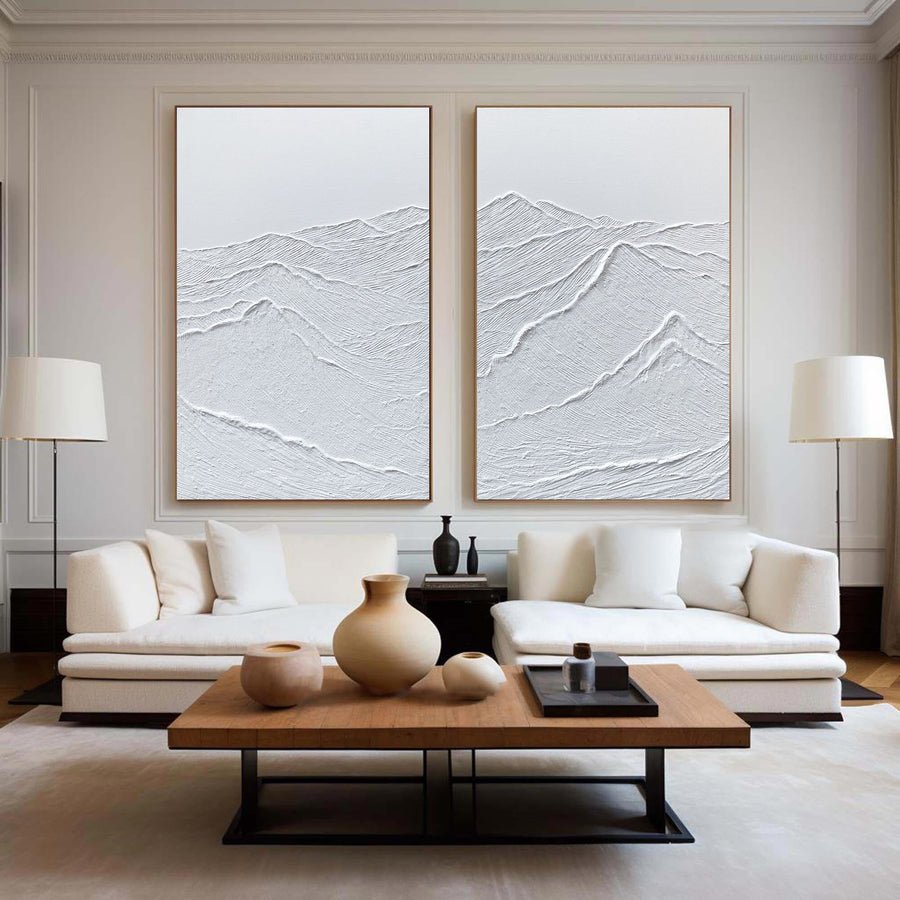
I can save on a rolled canvas order and overlook the local work needed to display it. A framer's early advice can prevent an expensive mismatch.
I ask a local framer about suitability for stretching, available edge allowance, final image size, frame options, handling needs and the likely scope of work. I share the actual order details before buying rather than assuming every rolled canvas can be finished in the same way.
I treat the framer as part of the purchase plan. Their questions help me compare the rolled option with a stretched or framed version on a fairer basis.
What information should I send before ordering?
I cannot get a useful framing answer from a room image alone. The framer needs details about the canvas and the form that will arrive.
I provide the painted image dimensions, overall canvas dimensions, edge photographs, material description and intended display size. I ask the supplier for missing details before the framer prices or recommends a method.
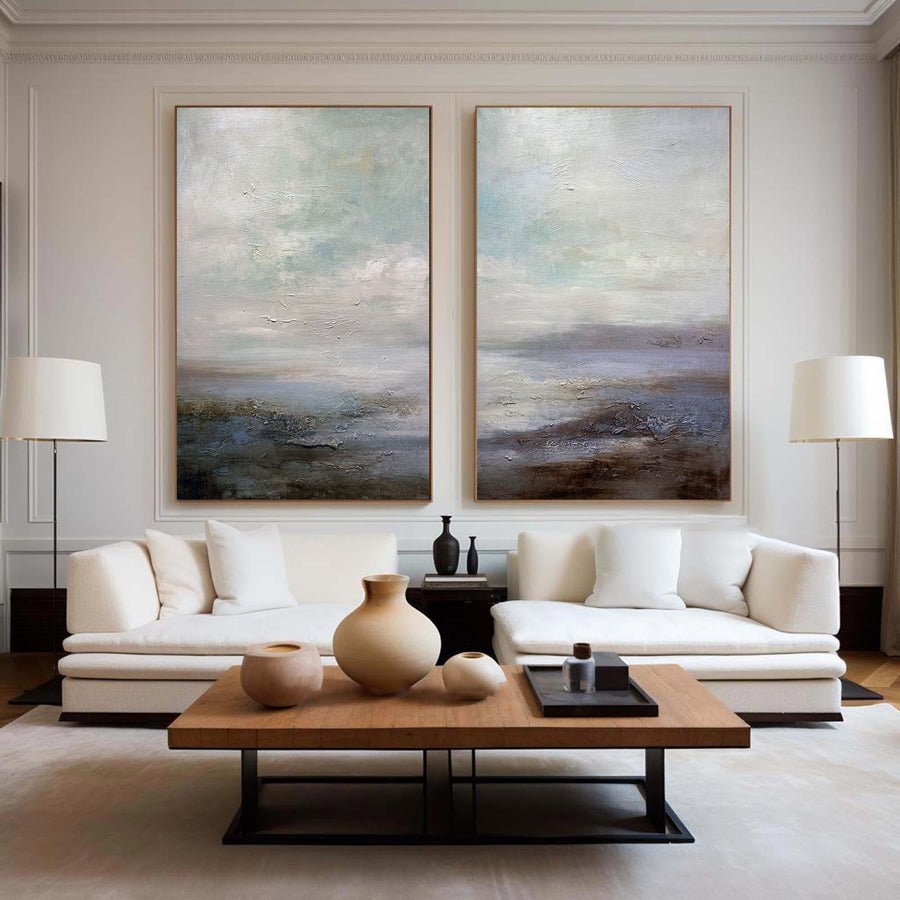
I describe the unmounted object clearly
I begin by separating the painted image from the full sheet of canvas. The extra material around the image may affect how the work can be stretched. I ask the supplier to state both sets of dimensions. I also ask whether the edges are painted and whether the quoted size describes the final visible image.
I share clear photographs with the framer. A full front view explains the composition. Edge and detail views may show information relevant to handling and the proposed finish. I identify whether those photos show my exact canvas or a sample. I do not ask the framer to confirm an unseen future object from a sample alone.
I include the paint medium and any added materials the supplier can confirm. The Canadian Conservation Institute's care guidance explains why the materials and construction of a painting matter to its treatment.[1] I use that principle to gather useful information. I do not try to judge flexibility or handling safety from a listing's decorative description.
I explain where the finished work will hang and the intended framed footprint. I discuss the supplier's rolled option through the custom hand-painted art service if I am commissioning the canvas. I keep the framer's questions beside the supplier's answers. This makes the order a coordinated decision instead of a cheap canvas purchase followed by an uncertain search for a local solution.
| Decision | My check |
|---|---|
| Image size | I identify the painted area. |
| Canvas size | I record the full sheet and edges. |
| Material information | I share confirmed details, not guesses. |
What should I ask about stretching and image loss?
I can expect the full reference image to remain visible and later find that the edge plan changes it. The stretching discussion needs to happen first.
I ask how the proposed stretching method affects the visible image, sides and final size. I request an explanation of any edge allowance needed and whether the supplied canvas suits the plan. I leave technical treatment to the framer.
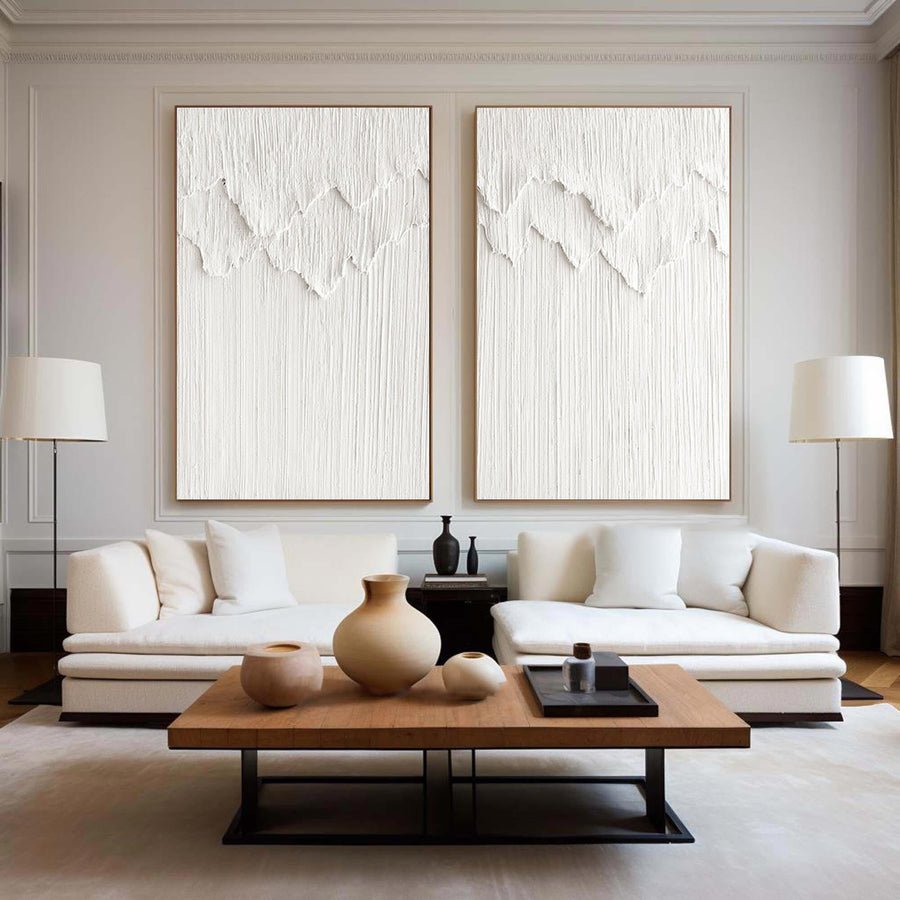
I protect the composition through clear questions
I show the framer which parts of the image matter most. A face, a signature or a strong line close to an edge may need special attention in planning. I ask whether the proposed method would change how much of that area remains visible. I do not assume the advertised dimensions already answer that question.
I ask the supplier about the intended final presentation. Some designs may include a planned edge treatment, while others may be offered as a flat image with additional canvas. I want that description before the order. I also ask how a change in final stretched size would affect the composition rather than expecting the framer to solve an unclear design choice later.
The Canadian Conservation Institute's framing guidance relates support and framing to the needs of the object.[2] I use it to understand why a suitable method matters. I do not attempt stretching instructions in this buying guide or assume that adding more tension is a simple fix for every surface concern.
I ask the framer which questions can be answered from documents and which need inspection. If an important decision remains uncertain until arrival, I keep that risk visible in my comparison with a supplier-stretched option. I may prefer the option with a clearer path to the wall. The right choice depends on the actual object and local support, not on a universal claim that rolled canvas is always cheaper or easier.
| Decision | My check |
|---|---|
| Important edge detail | I ask whether it stays fully visible. |
| Final stretched size | I confirm the planned measurement. |
| Inspection limit | I record what cannot be decided remotely. |
How should I compare the local framing quote?
I can ask for a frame price and miss stretching, fittings or other necessary work. A complete scope is more useful than a quick estimate.
I ask the framer to separate the proposed work, supplied frame, hanging arrangement and any inspection-dependent items. I compare that scope with the supplier's stretched or framed option without filling unknown costs with guessed amounts.
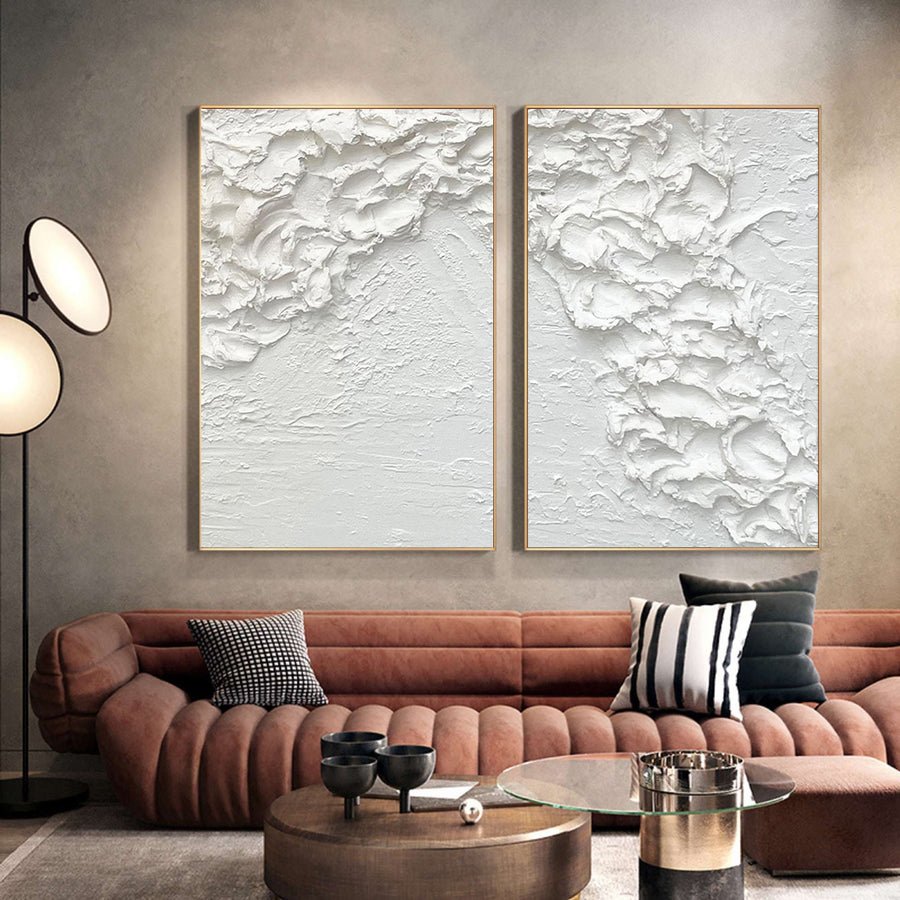
I compare the complete route to display
I explain whether I want an unframed stretched canvas, a float frame or another framed treatment. These are different outcomes. I ask the framer to describe the proposed work and what the price covers. I do not compare a basic stretching estimate with a complete framed offer as if they were equivalent.
I request the expected outside dimensions of the finished work. A frame may change the footprint enough to affect my wall plan. I also ask what hanging arrangement would be supplied and what local installation discussion remains. A quoted frame price does not automatically include installation or a decision about my wall.
I ask how packing and handover will be managed. The Canadian Conservation Institute's wrapping guidance shows that protective choices depend on the painting.[3] I use that background to ask about the actual process. I do not select packing materials from a general tip or assume that the work can return home in the original rolled package after it has been framed.
I keep confirmed amounts, exclusions and uncertain items in separate columns. I discuss supplier evidence through the quality-control page where useful. I then compare the local route with the alternative supplied form. A clear local quote may make rolled canvas attractive, but I need the full scope to know why. I do not let a lower initial shipping figure hide the work that still needs to happen.
| Decision | My check |
|---|---|
| Local work | I ask for the complete proposed scope. |
| Frame and fittings | I confirm what the price supplies. |
| Unknown item | I leave it visible until clarified. |
What should I confirm before the canvas is shipped?
I can finish the framing plan and forget to align it with the supplier's order. A final check avoids two people working from different dimensions.
I confirm the canvas and image dimensions, edge plan, supplied materials and shipping form with the supplier. I give the framer the final record and ask how they want the object received and inspected.
I connect the supplier and local plan without assumptions
I review the final supplier description after any changes. A revised image size or composition may affect the local framing plan. I update the framer's information rather than relying on an earlier conversation. I keep a dated record so that I can identify which dimensions each person used.
I ask the supplier what the arrival package will contain. I distinguish the canvas itself from accessories, documents or other items. I also ask for clear final photographs when available. I do not assume that a sample image is proof of the completed version. Those photographs help the framer understand the expected object before it reaches them.
I ask the framer about the receiving route. I may need to bring the package unopened for inspection, or they may give a different suitable plan. I follow their actual advice rather than writing a general unrolling procedure. I do not place weights on the painted surface or force a rolled work flat to prepare it for a visit.
I retain the order, material description, packing information and local quote together. If the supplied canvas differs from the recorded dimensions, I can explain the difference before local work proceeds. I ask the seller about concerns through the actual order terms. My goal is a clear handover between purchase and framing, with the object's needs kept visible and no promise that every rolled painting will follow the same simple route.
| Decision | My check |
|---|---|
| Final supplier record | I align dimensions and edge plan. |
| Receiving route | I follow the framer's actual advice. |
| Before local work | I clarify any arrival mismatch. |
Conclusion
I involve the local framer before buying rolled canvas. Clear dimensions, edge planning and complete costs make the route to display easier to judge.