How do I choose reference photos for a painted cat portrait?
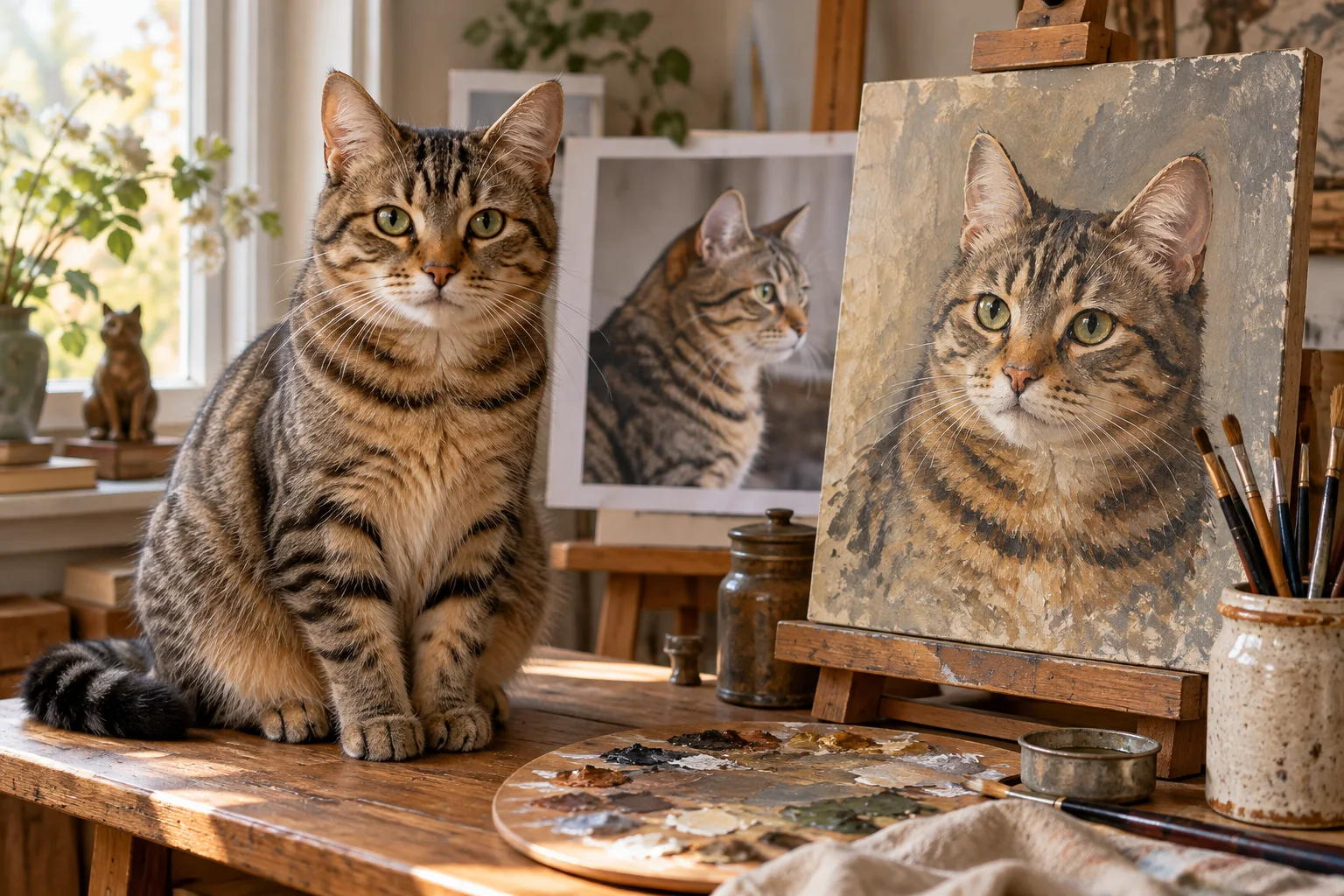
I can love a cat photo that hides the features an artist needs. Blur, dark fur and curled poses can turn a familiar face into guesswork.
I choose a clear main photo that shows my cat’s face, eyes and natural pose. I add a few labeled images for coat markings or hidden features. I avoid filters and wide-angle distortion, then confirm which reference controls the finished composition.
I assess the photo for usable evidence as well as affection. The strongest reference helps the artist see the cat without replacing the moment I want to keep.
Which photo should control the main pose?
I can send many cute pictures without choosing a pose. The artist may then combine details in a way I never intended.
I name one photograph as the main pose reference. I check the head angle, body shape and visible paws. I choose a different main image if important anatomy is hidden, rather than asking the artist to guess it from unrelated pictures.
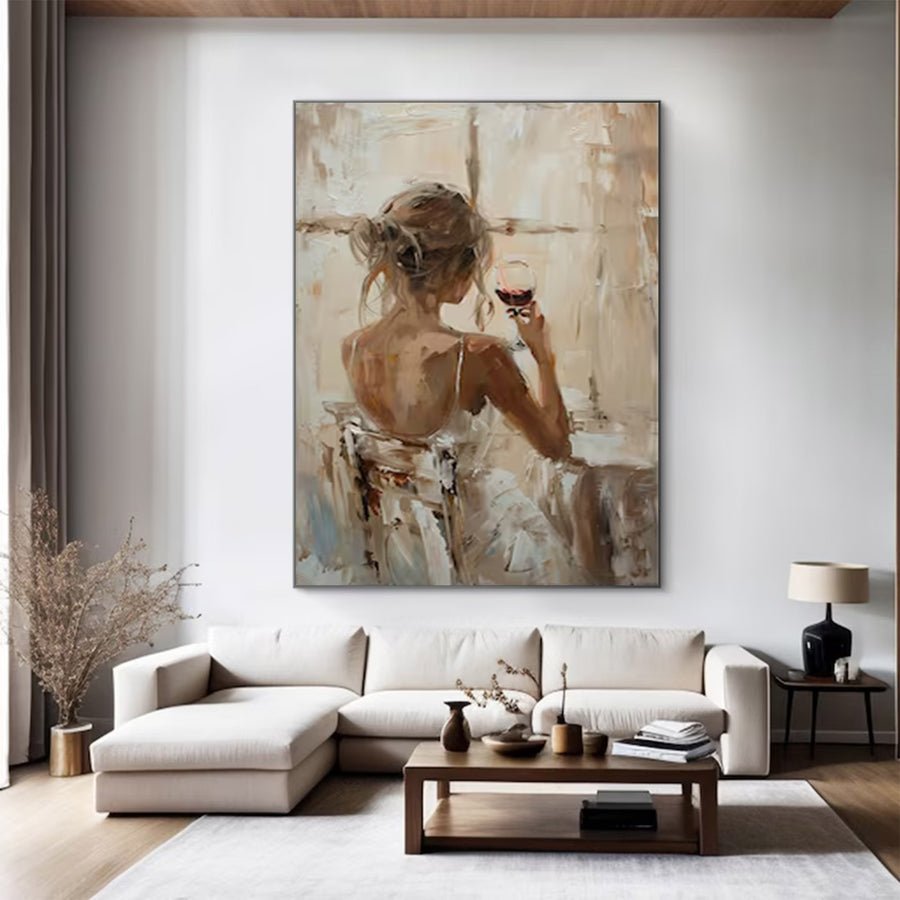
I select a usable moment
I compare the photos at their original size. I look for a clear head angle and a body outline that makes sense without explanation. A cat curled into a tight ball can be a meaningful subject, but its pose may hide legs, tail and neck. I decide whether that curled shape is part of the portrait or whether I want a more open pose. I do not request a seated body while supplying only sleeping photographs.
I inspect the camera position. A very close phone image can make the nose look larger than the rest of the head. I compare it with a photo taken from farther away if I have one. I also look for motion blur around the ears and eyes. I can value the moment and still recognize that it provides weak evidence. If I need to use it, I tell the artist which parts are uncertain and ask for a reference review before committing to a detailed treatment.
I label the chosen file as the main pose. I use the photo composition preview to compare a closer crop with the full scene. I remember that this tool shows a photo-based layout and frame illustration. It does not prove that hidden paws can be reconstructed or that every expression will transfer unchanged into oil paint. I keep the approved pose visible throughout the later conversation.
| Decision | My check |
|---|---|
| Curled pose | I decide whether the hidden body is intentional |
| Close phone view | I compare head proportions |
| Main image | I label it clearly |
How can I show the eyes and coat color clearly?
I may choose a dramatic dark photo that conceals eye shape and markings. A bright filter can create different problems by changing the cat’s real colors.
I look for gentle light that reveals the eyes and coat without strong glare. I compare colors across several unfiltered photographs. I add a labeled detail reference when the main image hides an important feature, while keeping the original expression as the guide.
I separate lighting from actual color
I look at the eyes before deciding that an image is sharp enough. I check the outline of the lids, the visible iris and the direction of the gaze. I do not assume that a bright reflection gives the artist more useful information. Glare can cover the detail I want to preserve. I compare a second image taken in softer light if the main photograph leaves that area unclear.
I inspect the coat in more than one setting. A black cat can look blue under one light and brown under another. A cream patch can become almost white in an overexposed photo. I describe the feature I want represented and show where the images disagree. I do not ask the artist to average every color automatically. I choose the main lighting mood and use supporting photos to explain the coat beneath that light.
I avoid beauty filters, strong automatic color effects and screenshots of heavily edited pictures when originals are available. I can still use an edited image to show a preferred mood, but I label it as a style reference. I keep that role separate from evidence of eye color or markings. A community memorial request shows the personal value buyers can place on recognizable pet details.[1] I use that concern to guide a careful brief, without claiming a universal formula for likeness. I place my color notes in the custom painting request so they remain attached to the chosen pose.
| Decision | My check |
|---|---|
| Eyes in glare | I seek a clearer detail view |
| Coat color differs | I explain the preferred lighting |
| Edited mood image | I label its limited purpose |
Which supporting photos add useful information?
I can overwhelm the brief with near-identical photos. More files may make the intended markings and expression harder to identify.
I add supporting photos only when they answer a specific question. I use them for side markings, tail shape, eye detail or a hidden ear. I label each purpose and avoid combining different ages or poses without explaining the intended result.
I give every extra image one job
I make a short list of what the main reference cannot show. I may need the pattern on the far cheek, the tip of the tail or the color around one eye. I select a supporting image for each missing feature. I write a plain note such as “this photo shows the white patch on the right side.” I avoid asking the artist to search an album for a detail that I already know matters.
I check when each image was taken. A kitten and an older cat can have different proportions and coat appearance. If I mix those ages without explanation, the painting may reflect neither moment clearly. I choose the age or stage I want to represent and state it in the brief. I also separate a reference for anatomy from a reference for expression. A side photograph can clarify a marking without replacing the front-facing gaze of the main image.
I ask permission when a professional photographer made the reference. The Copyright Office explains why the photographer’s rights deserve separate attention.[2] I do not assume that possession of a file means every later use is allowed. I keep any permission discussion tied to the intended painted commission. I save the original set and the labeled working set in different folders. That makes it easier to answer a later question without introducing a new, conflicting pose into the approval process.
| Decision | My check |
|---|---|
| Hidden marking | I add one labeled view |
| Different age | I choose the intended stage |
| Professional photograph | I check the planned use |
How do I check the reference before placing an order?
I can choose references on a bright phone screen and miss how small the cat will appear. A wide scene may leave little room for facial detail.
I compare the crop, canvas shape and intended face size before ordering. I ask the artist to identify unclear reference areas. I keep the approved files and written priorities together, and I confirm the actual review process rather than assuming unlimited corrections.
I approve a clear reference package
I view the selected composition inside the proposed canvas shape. I look at how much room the cat occupies and whether the ears or tail sit too close to an uncertain edge. I compare a wider scene with a closer portrait at the same canvas size. I do not decide only by enlarging the cat on my phone. I want to know which arrangement will read clearly from the room’s normal viewing position.
I ask the artist whether the photos support the requested level of detail. I identify uncertain areas instead of concealing them behind a confident instruction. If the only available image is blurred, I discuss a softer interpretation or a different crop. I do not assume that sharpening software restores information the camera never recorded. I also confirm which files will control the pose and which will support markings. I save that decision with the quote and the size selection.
I review the approval process before production begins. I ask what is reviewed, when feedback is invited and how a major change differs from a correction to the agreed brief. I keep the response specific to the order rather than assuming a standard policy. Once the painting arrives, I use its supplied material and care information. Conservation guidance can help explain why handling and display deserve attention.[3] I treat that guidance as care context, while letting the reference package solve the visual questions before painting starts.
| Decision | My check |
|---|---|
| Small face in scene | I compare a closer crop |
| Unclear source detail | I ask for artist review |
| Reference approved | I save files and priorities |
Conclusion
I choose one clear pose, show the cat’s unique markings, and label supporting photos. I approve the composition before expecting detail to solve an unclear reference.