Can an old or faded photo become a meaningful memorial oil portrait?
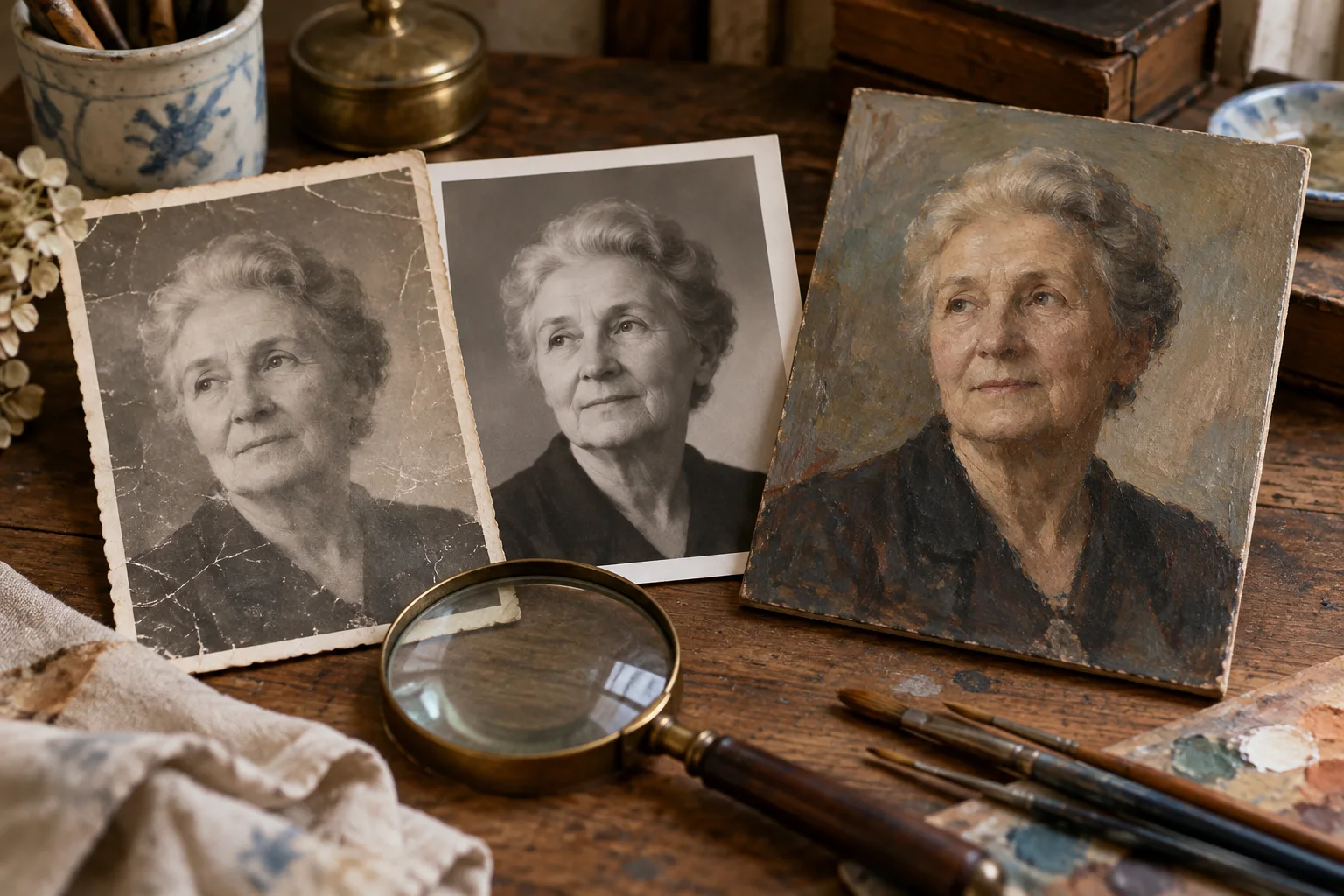
I may have only one faded photo of someone I miss. Asking a painting to restore every lost detail can create expectations the reference cannot support.
I can use an old photograph for a memorial portrait when I separate visible features from missing information. I preserve the original scan, provide supporting references where possible, and agree on how the artist will handle uncertain color, edges and facial detail.
I do not need to reject a meaningful photo because it is imperfect. I need a clear plan for what the image can show and what the painting must interpret.
How should I prepare an old photo without changing its meaning?
I can damage the usefulness of an old image by over-cleaning or sharpening it. A smoother file may hide the evidence the artist needs.
I keep an untouched scan and make any edits on a separate copy. I include the whole photograph before supplying a closer crop. I describe scratches, fading and known changes so the artist can tell original detail from later processing.
I preserve the source before improving the view
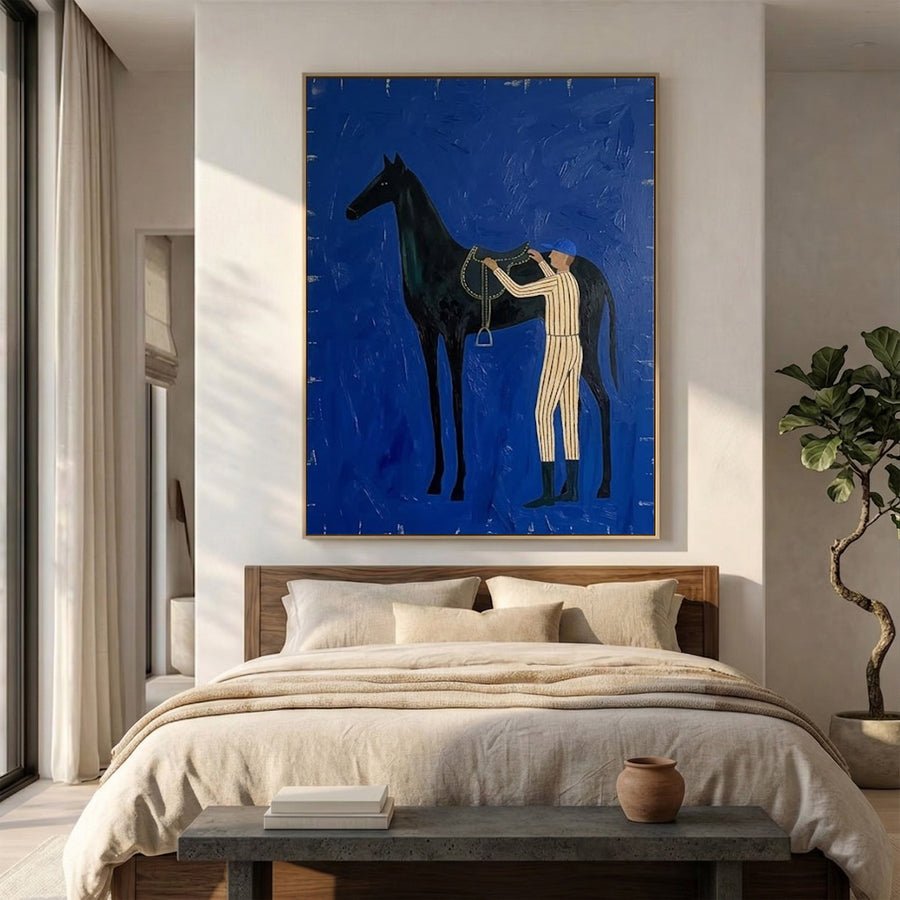
I start with the best copy I can access. If I have a physical photograph, I ask for a careful scan that captures the full image. I avoid pressing a fragile original into a setup that could damage it. I keep the original safely stored and use a working digital copy for the painting discussion. A phone photograph of the print may be enough to begin a review, but glare, shadows and camera angle can distort the face.
I send the complete image and a closer view of the person. The complete image helps explain posture, clothing and the direction of light. The closer view helps the artist inspect the face. I do not crop away a hand or shoulder before anyone has assessed how it affects the pose. I also name visible damage. A crease across the cheek should not be mistaken for a facial line, and a faded patch should not be treated as a deliberate color change.
I save edited versions with clear filenames. I may adjust brightness so the face is easier to see, but I disclose that change. I do not describe an automatic restoration as newly recovered detail. I can compare its suggestions with other photographs, but I keep the untouched scan as the reference record. This lets the artist make a reasoned decision about which features are supported and which require interpretation. I use the photo portrait review to discuss those limits before selecting a large canvas.
| Decision | My check |
|---|---|
| Untouched scan | I keep it as the source record |
| Crease or scratch | I mark it as photo damage |
| Edited copy | I explain what I changed |
What can I do when facial details are missing?
I may remember a face clearly but struggle to describe it. If I leave gaps unexplained, the portrait can gain details that do not feel familiar.
I provide other photographs of the same person and label what each one explains. I identify uncertain features in writing. If no reliable reference exists, I discuss a softer or less detailed interpretation rather than asking the artist to invent precise facts.
I use supporting evidence with a clear job
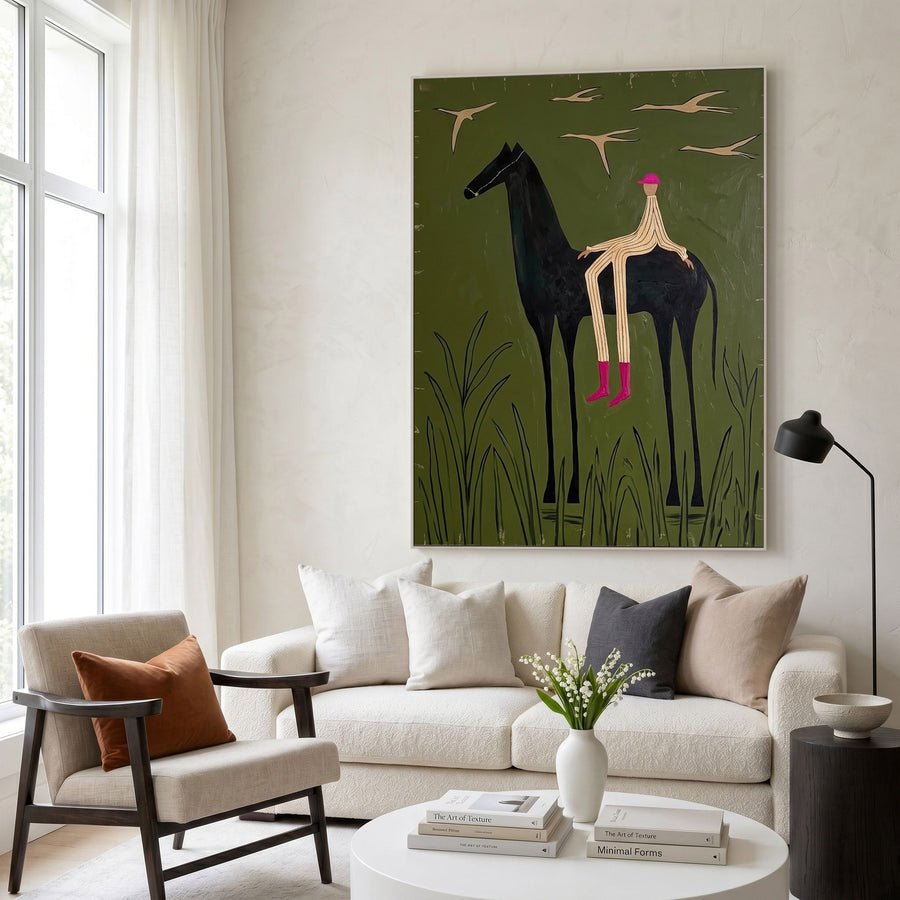
I gather photographs that answer a particular question. One may show the shape of the ears. Another may show the hairline or a smile from a similar age. I write those purposes beside the files. I avoid combining a face from childhood with a much later expression unless that is a deliberate artistic choice. A memorial portrait can represent a selected period, and I need to name that period rather than make the artist guess.
I describe my memory carefully. I can say that a person usually wore their hair on one side or that a small mark belonged near an eyebrow. I also explain when I am unsure. Memory can guide the emotional choice, but it is not a substitute for a clear photograph when exact visual detail matters. I ask the artist what can be supported by the available set and what would remain an interpretation.
I consider a style that gives uncertainty room. A softer edge or a smaller facial scale can be more honest than a sharply detailed reconstruction based on very little evidence. I do not assume that realistic style always means greater accuracy. I compare the proposed approach with the kind of memory I want to preserve. I keep the agreed limits in the custom artwork brief so the final review uses the same expectations. This gives me a fair way to judge the work without asking the artist to prove a feature that the source never showed.
| Decision | My check |
|---|---|
| Extra photo shows a hairline | I label that specific purpose |
| Age differs between photos | I choose one intended period |
| Detail cannot be confirmed | I discuss a softer treatment |
Should I add color to a black-and-white portrait?
I may want a warmer painting than the original photo offers. Unchecked color choices can make a familiar person look unexpectedly different.
I choose color only when I can provide useful information or accept a clearly interpreted palette. I document known hair, eye and clothing colors. I can also keep a restrained monochrome treatment when color would add more guesswork than meaning.
I make color a separate decision
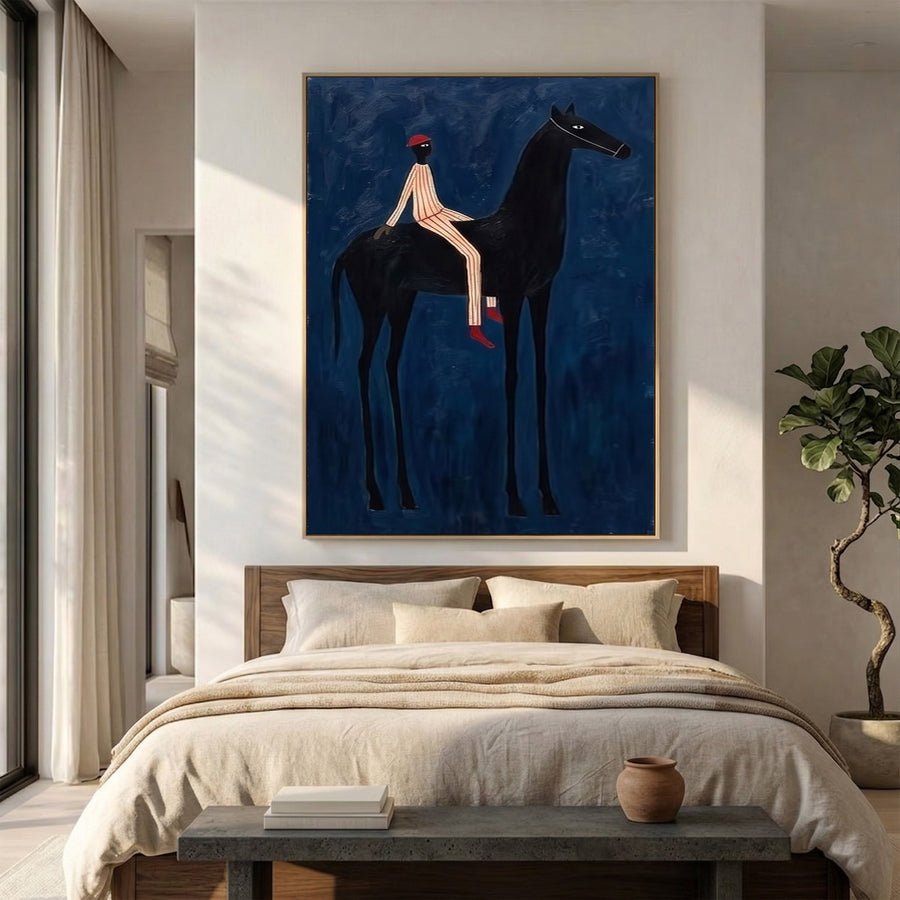
I list colors I know and separate them from colors I only assume. I may know that a coat was navy, while the wall behind it is impossible to identify. I can provide family notes, another color photograph or a surviving object if it helps. I do not expect a black-and-white image to reveal every original hue. Its light and dark values can guide the painting even when the color remains unknown.
I compare a monochrome direction with a limited color direction. A restrained brown, gray or muted blue palette can make the portrait feel cohesive without pretending to reconstruct the exact setting. I ask the artist to explain which parts will follow evidence and which will be chosen for the composition. I also inspect the skin values. A pale face in an old print may reflect fading or exposure rather than the person’s actual skin tone.
I check the intended room before finalizing the palette, but I do not let the room dictate the person’s identity. I can coordinate the background and frame while preserving known features. I also confirm that I may use the source photograph for this commission, especially if it came from a professional photographer.[1] Copyright guidance explains why the photograph and a later artwork can involve separate rights.[2] I use that distinction to ask the right permission question rather than giving myself a legal answer. I keep the color plan in writing so later feedback can distinguish an agreed interpretation from an accidental change.
| Decision | My check |
|---|---|
| Known clothing color | I document the source of that detail |
| Unknown background color | I approve an interpreted palette |
| Too much color uncertainty | I consider monochrome |
How do I set fair expectations for a memorial portrait?
I can attach a great deal of hope to one portrait. A vague promise of perfect restoration can make a sensitive purchase harder to review.
I agree on reference limits, style, composition, size and review stages before painting begins. I avoid treating enhancement as proof of likeness. I plan display and delivery around the finished materials and keep the approval record for later care.
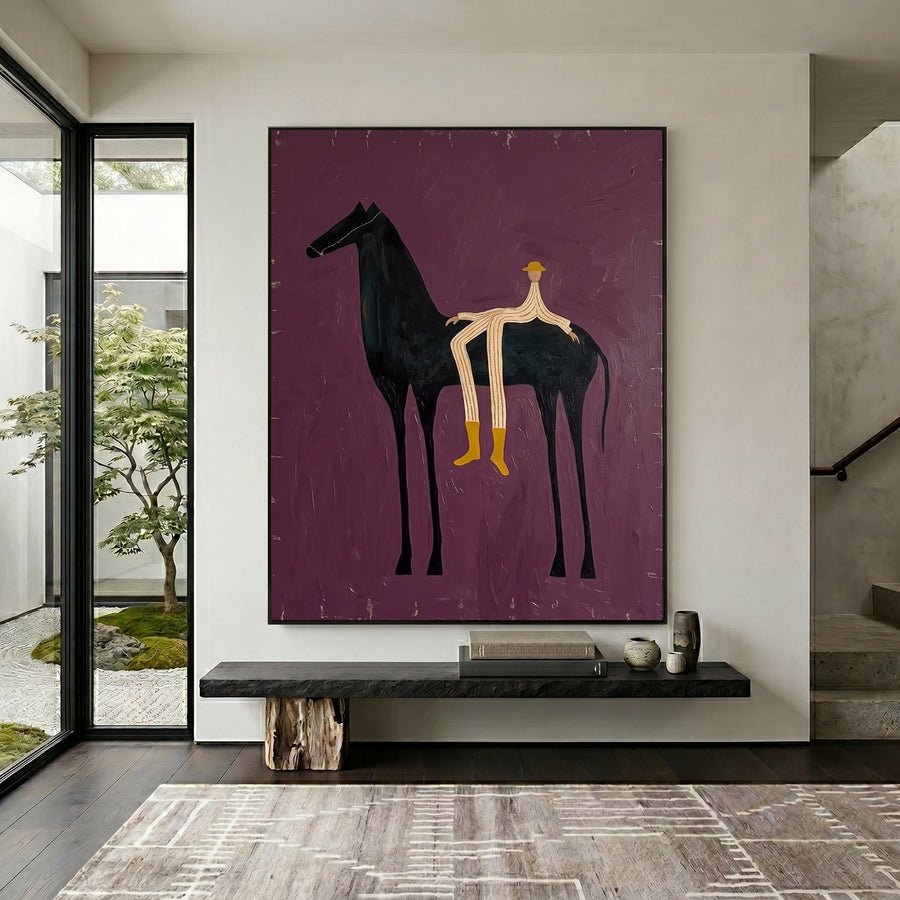
I define what a successful tribute should preserve
I choose two or three features that matter most. I may want the familiar expression, a particular hairstyle and the shape of the shoulders. I explain those priorities plainly. I do not ask every part of the background to receive equal attention when the face is the main reason for the painting. A clear priority helps the artist and gives me a useful order for the review.
I ask when I can review the composition and how feedback will be handled. I confirm the revision scope rather than assuming that every change is included. A request to alter the crop differs from a request to paint a different age or replace the source photograph after work has begun. I keep those distinctions in the quote. I also ask how the artist will communicate uncertainty so I do not mistake a confident-looking detail for a verified one.
I choose a practical display size and framing route. I test the outer dimensions on the wall and consider the usual viewing distance. After the work arrives, I retain condition photos and the material record. Basic conservation advice can help me choose a stable indoor location and avoid careless handling, but I follow instructions for the actual painting rather than treating every canvas as identical.[3] I allow the portrait to be a thoughtful interpretation of a memory. I do not measure its worth by whether it claims to replace the original photograph or recover information that no longer exists.
| Decision | My check |
|---|---|
| Main identity features | I name my highest priorities |
| Reference change after approval | I ask how it changes scope |
| Finished memorial work | I retain records and care instructions |
Conclusion
I preserve the original photo, name uncertain details, and choose an honest interpretation. Clear expectations let an imperfect image support a meaningful memorial portrait.