How do I compare artwork quotes without overlooking hidden differences?
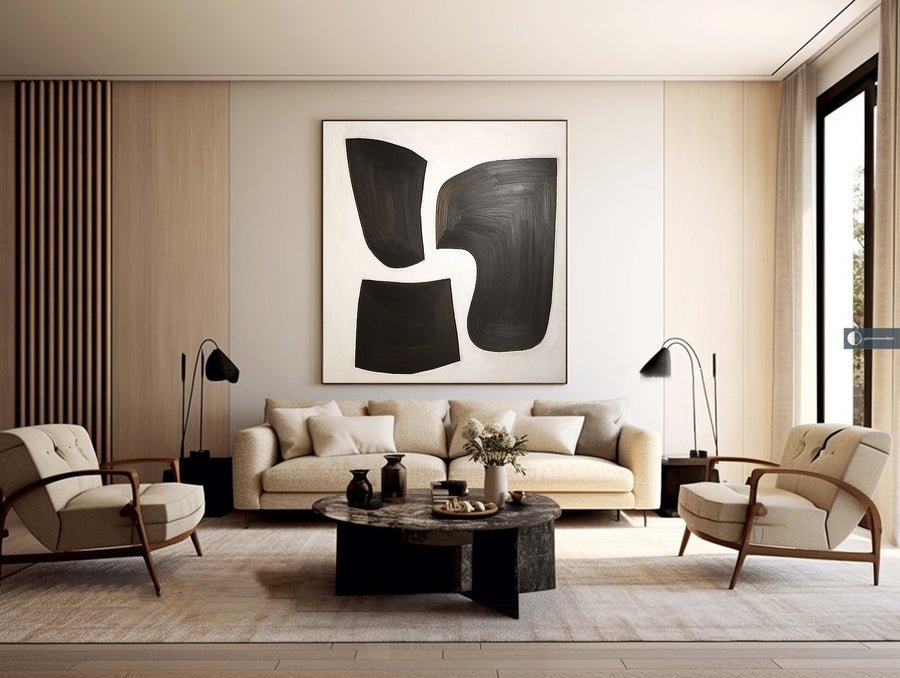
I can choose the lowest art quote and discover that it excludes the frame or local work I need. Similar prices can hide different scopes.
I compare quotes using the same artwork brief and a line-by-line scope. I check dimensions, materials, supplied form, frame, review process, packing, delivery and any local costs. I leave unknown amounts visible rather than calling the cheapest headline price best value.
I use a comparison sheet to make the differences readable. My goal is a complete picture of the choices, not a prediction of charges that the supplier has not confirmed.
What should every supplier quote from the same brief?
I cannot compare quotes fairly when each supplier prices a different version. A shared brief removes differences that hide behind similar titles.
I provide the same reference, dimensions, orientation, medium request and supplied format to each supplier. I also identify the intended wall, quantity and any essential review needs.
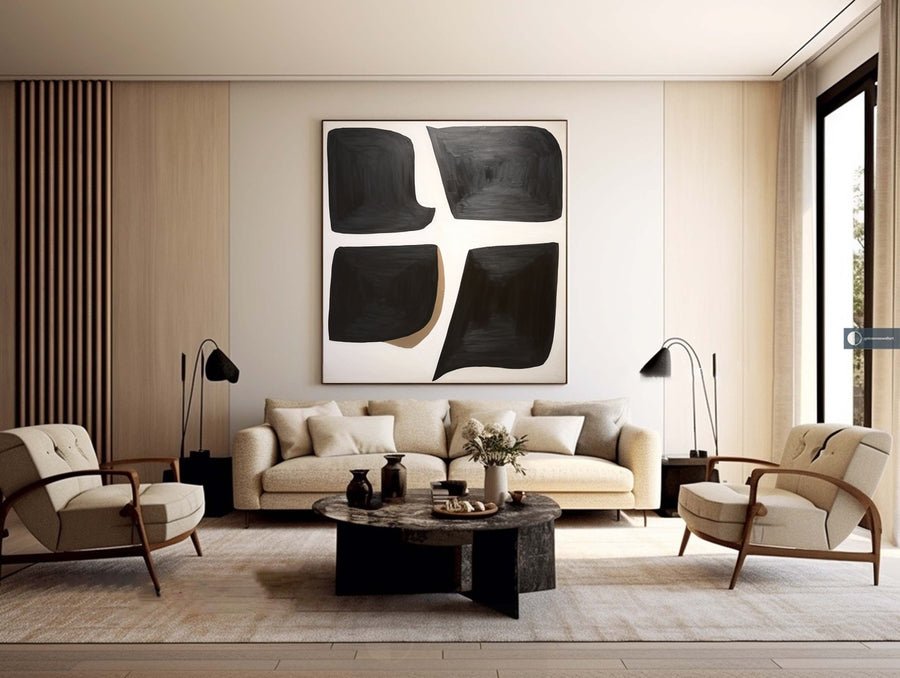
I keep the starting request consistent
I write a short brief before asking for prices. It includes the subject or design direction, the intended size and whether I want the work rolled, stretched or framed. I state which dimensions matter. A framed work's outside width may differ from the canvas width, and that affects both the room and the quote.
I include references that serve specific roles. One may show composition, another may show a palette, and a third may show a desired frame. I label those roles so that a supplier does not price a full copy of every visible feature. I also state which choices are preferences and which are essential requirements.
I ask how the maker describes the object. Etsy's creativity standards provide useful background for separating making and sourcing language.[1] I do not assume that all quotes described as handmade cover the same process. I request plain information about the actual item being priced.
For multiple works, I state the quantity and the list of sizes. I discuss project requirements through the trade program rather than assuming a household quote can simply be multiplied. I keep the brief's version number or date on each request. If I change a size later, I ask for an updated quote. This makes the comparison about the same purchase instead of a collection of prices that answered different questions.
| Decision | My check |
|---|---|
| Shared reference | I label composition, palette and frame roles. |
| Supplied form | I choose rolled, stretched or framed. |
| Brief version | I keep all suppliers on the same request. |
Which object and framing differences affect the comparison?
I can compare a rolled canvas with a ready-to-display work as if they were equivalent. That hides the work still needed after delivery.
I compare the painted object and its supplied form separately. I check canvas dimensions, edge allowance, stretcher or frame details, overall size and any local work needed before display.
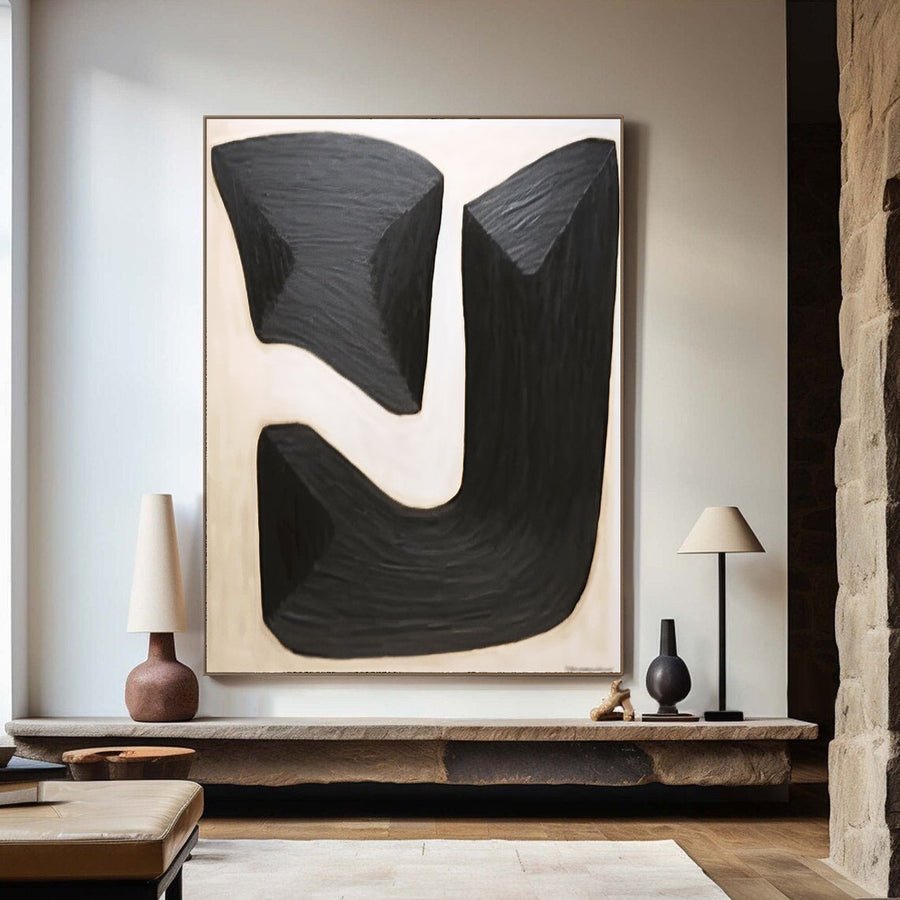
I price the path to the wall
I begin with what arrives in the package. A rolled canvas may need local stretching and framing before I can display it. A stretched canvas may still need a frame or suitable hanging fittings. A framed object may need professional installation. I list those stages rather than treating the supplier's price as the entire cost.
I ask a local framer to quote the actual planned work when local work is involved. I provide the painted size, available edge information and any known surface concerns. I do not estimate the cost from a generic online number. The framer needs enough detail to explain what they can do and what remains uncertain until inspection.
The Canadian Conservation Institute's framing guidance shows why framing relates to protecting and supporting a painting.[2] I use that background to ask about the object's needs. I do not choose a frame only by its visible finish or ask an unsuitable construction to imitate a cheaper option.
I check whether the frame shown in a room image is included. I request its outside dimensions and finish description. I also check whether the quote includes the same version in every size. These details matter for my wall and for transport. I compare the complete route to display, while keeping optional decorative choices separate from essential support or local work. That gives me a more useful price comparison than a single number beside each attractive photograph.
| Decision | My check |
|---|---|
| Rolled canvas | I obtain a local stretching discussion. |
| Shown frame | I confirm inclusion and outside dimensions. |
| Ready to display | I check what installation work remains. |
Which delivery and review costs need clarification?
I can assume shipping and approval cover everything, then find a gap when the order moves forward. Broad terms need a defined scope.
I ask what packing and delivery cover, who handles local stages and how review works. I request any applicable charges or exclusions in writing, without assuming universal taxes, carrier terms or revision allowances.
I make the commercial questions concrete
I ask where the quoted delivery ends. Delivery to an address can differ from placement in a particular room. I describe access constraints such as a narrow stair or a staffed receiving area. I ask who needs to arrange any further handling. I do not assume that a supplier's shipping price includes every local stage.
I request the packing description and the form being shipped. The Canadian Conservation Institute's guidance on wrapping paintings shows that packing decisions depend on the object and its vulnerabilities.[3] I do not turn that guidance into a promise about a supplier's package. I ask the supplier to explain their actual packing approach for the quoted work.
I also ask how the review process affects scope. A sample, a progress photograph and a final approval are different steps. I want to know which are included and when a change might require a revised quote. I do not assume that every seller offers the same number of revisions or the same approval sequence.
I record delivery, local charges and review questions as confirmed, excluded or unknown. I discuss evidence through the quality-control service where appropriate. If an amount depends on a later choice or local condition, I keep that dependency visible. I avoid adding a guessed number that makes the comparison look more complete than it is. Clear questions are better than false precision when the scope is still being agreed.
| Decision | My check |
|---|---|
| Delivery endpoint | I identify the last included stage. |
| Packing | I ask about the actual object and format. |
| Review scope | I confirm stages and potential changes. |
How should I choose when one quote is still unclear?
I can feel pushed to decide before every important question is answered. An incomplete quote may appear cheaper only because it leaves out work.
I compare confirmed scope first and mark important unknowns. I ask for clarification before choosing, then weigh the documented object, evidence, service and complete display path against my budget.
I use a comparison sheet without false totals
I place the candidates in columns and the same decisions in rows. I include the object, size, supplied form, frame, review, packing and delivery endpoint. I copy the supplier's answer into each cell in plain words. If the answer is missing, I write unknown rather than filling it from a photograph or another seller's terms.
I separate necessary costs from optional choices. A local stretching stage may be necessary for a rolled canvas. A decorative frame upgrade may be optional. I keep those categories visible so that I do not compare one minimal option with another fully styled option and call the difference poor value.
I ask follow-up questions in order of importance. I resolve any difference that could change the object or the path to display before debating a minor finish detail. This keeps the conversation manageable. I also ask for the final quote after decisions change, since an earlier price may no longer describe the chosen work.
I then explain my choice to myself in one sentence. I may prefer a higher quote because its scope and evidence are clearer. I may choose a simpler format because I have a suitable local framer. Neither choice needs an invented saving or a claim that price proves quality. I decide from the documented scope and my actual needs, then keep the final quote with the order record.
| Decision | My check |
|---|---|
| Unknown cost | I request clarification before totaling. |
| Optional finish | I keep it separate from necessary work. |
| Final choice | I explain the documented value to me. |
Conclusion
I compare complete, matching scopes before prices. Clear object, framing, review and delivery details help me choose without hiding important unknowns.