What is the difference between an original painting, a reproduction and a commission?

I can like a painting and still misunderstand what I am buying. Loose labels make price comparisons harder and can hide the work's relationship to another image.
I distinguish the object from its source. I ask whether original means a new composition or a specific physical painting. A reproduction follows another work, and a commission describes a buying arrangement. I confirm who created the image, who painted this object, and what the order allows.
I use these three labels as separate questions. A commissioned object can follow an existing image, and a hand-painted object can still be a reproduction. The useful detail sits behind the label.
Does original always mean one of a kind?
I would not pay an originality premium on a single word. A unique physical canvas and a unique composition describe different things.
I ask whether the seller means a unique composition, a single physical object, or a variation in a repeated design. I want the answer in the order record rather than relying on a title.

I separate the design from the painted object
I begin with the image itself. An artist may develop a new composition and paint it once. Another artist may paint several versions of a design. Each version can have individual brushwork, but the composition is repeated. Those objects offer different kinds of uniqueness. I do not assume that either description tells me which one will suit my room better.
I ask for the creator's name or the seller's clear account of authorship. I also ask whether the photographed painting is the exact item offered. If the listing is made to order, I want to know whether the photograph is a reference for a future version. This prevents me from treating a display image as a promise of an identical object.
I keep authorship separate from reproduction rights. Owning a physical painting does not by itself settle permission to copy its image. The US Copyright Office explains the separate rights connected with visual works.[1] I use that background to ask a focused question about my intended use. I do not use it to make a legal claim about an unknown seller.
For a repeated handmade design, I ask which elements stay fixed. The answer may cover the main shapes, palette and format. I then ask which areas can vary. I use the quality-control page to frame those evidence requests. A clear description gives me a useful basis for comparison without pretending that every individual brush mark can be specified.
| Decision | My check |
|---|---|
| Unique composition | I request a clear authorship description. |
| Repeated design | I ask what changes between versions. |
| Exact listed item | I confirm that the photos show my object. |
Can a reproduction still be hand painted?
I can confuse a painting method with a design source. That mistake may lead me to expect an original composition from a copied image.
I treat hand painted as a claim about making the object. I treat reproduction as a claim about the image it follows. Both descriptions can apply to the same canvas, so I check each one separately.
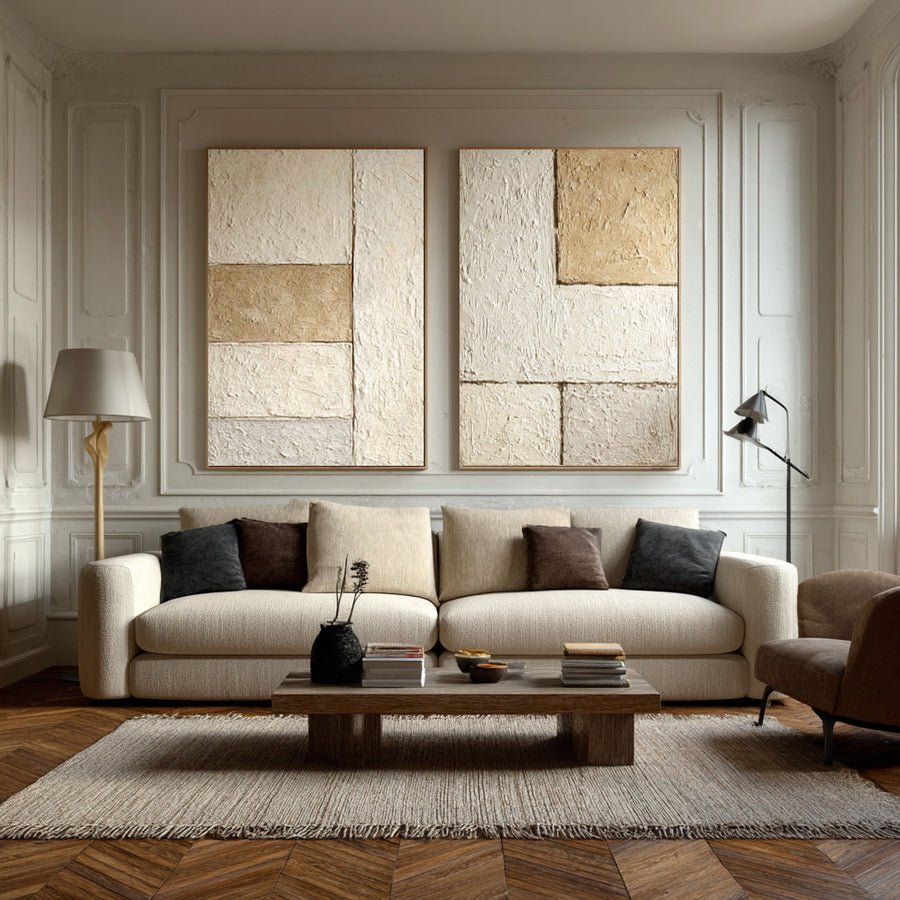
I ask about process and permission as different checks
I first ask how the image was placed on the support. A painter may work from a reference image, a printed base may receive added paint, or a listing may show a print alone. I need a plain description of the process. A close view of texture helps, but it cannot establish every layer under the visible surface.
I then identify the reference. A reproduction may follow a famous historical painting, a licensed design or a current artist's image. These cases should not disappear under a broad handmade label. I ask for the source title or a direct explanation when the seller can provide one. I avoid assuming that an old-looking subject has no rights concerns.
Etsy's creativity standards describe categories for how sellers make and source items.[2] I use the marketplace's wording to understand a listing, not as an independent inspection of the individual canvas. A platform category does not replace an answer about the actual object I want to order.
I compare the reproduction with the room's needs. A large hand-painted interpretation may provide a surface effect that a flat print does not. That can be a valid reason to choose it. I still want its description to state the image relationship honestly. If I am requesting a different size or palette, I discuss it through the custom hand-painted art service. I ask whether the change creates a new interpretation and whether the reference can be used for that request.
| Decision | My check |
|---|---|
| Making method | I ask whether paint, printing or both are used. |
| Image source | I identify the reference work. |
| Custom changes | I record the requested interpretation. |
What does a commission tell me about the purchase?
I can hear commission and assume every creative decision is included. An unclear brief makes later review much harder.
I understand a commission as a request for work under an agreed brief. I still need the subject, size, materials, approval stages, price scope and intended use stated. The word alone does not promise a particular result or revision policy.
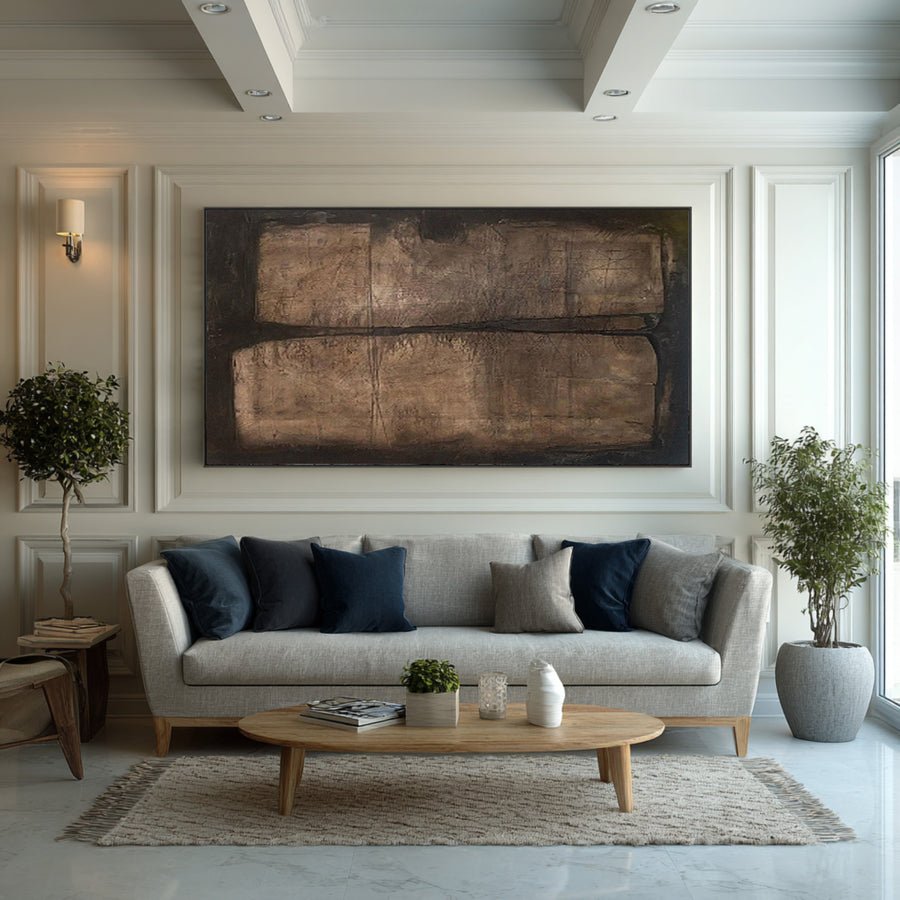
I turn the request into a readable brief
I describe the main purpose before I choose detailed effects. A painting for a family memory needs a different brief from an abstract work for a hotel corridor. I name the subject, the intended wall and the main feeling I want. I then attach a small set of references that explain those choices.
I mark what must stay and what can change. For a portrait, I may want a particular facial expression to remain recognizable. I may allow the background to become simpler. For an abstract composition, I may ask for a dark anchor near one edge and leave smaller marks open. This gives the artist clearer direction than a long list of adjectives.
I ask when decisions become difficult to change. A composition discussion and a final painted surface are different review moments. I do not invent a fixed number of revisions. I ask the seller to explain the actual review process and record the agreed stages. I also ask who approves the final request if several people are paying for it.
The Copyright Office's guidance for photographers helps me separate purchase terms from image-use rights.[3] I state whether I only plan to display the canvas or also want to reproduce its image in commercial materials. I ask for written clarification where that use matters. A useful commission brief makes the intended outcome easier to discuss. It does not erase the need for clear order terms or turn an artist's interpretation into an exact photograph.
| Decision | My check |
|---|---|
| Must stay | I list the essential subject details. |
| Can change | I name the areas open to interpretation. |
| Review stage | I confirm the seller's actual process. |
Which description helps me compare the final choices?
I can compare three prices and still compare three different products. A shared description keeps attractive wording from replacing useful facts.
I compare authorship, image source, making method, exact-item status, dimensions and order terms in the same order. I choose the offer that matches my purpose and explains its claims clearly.
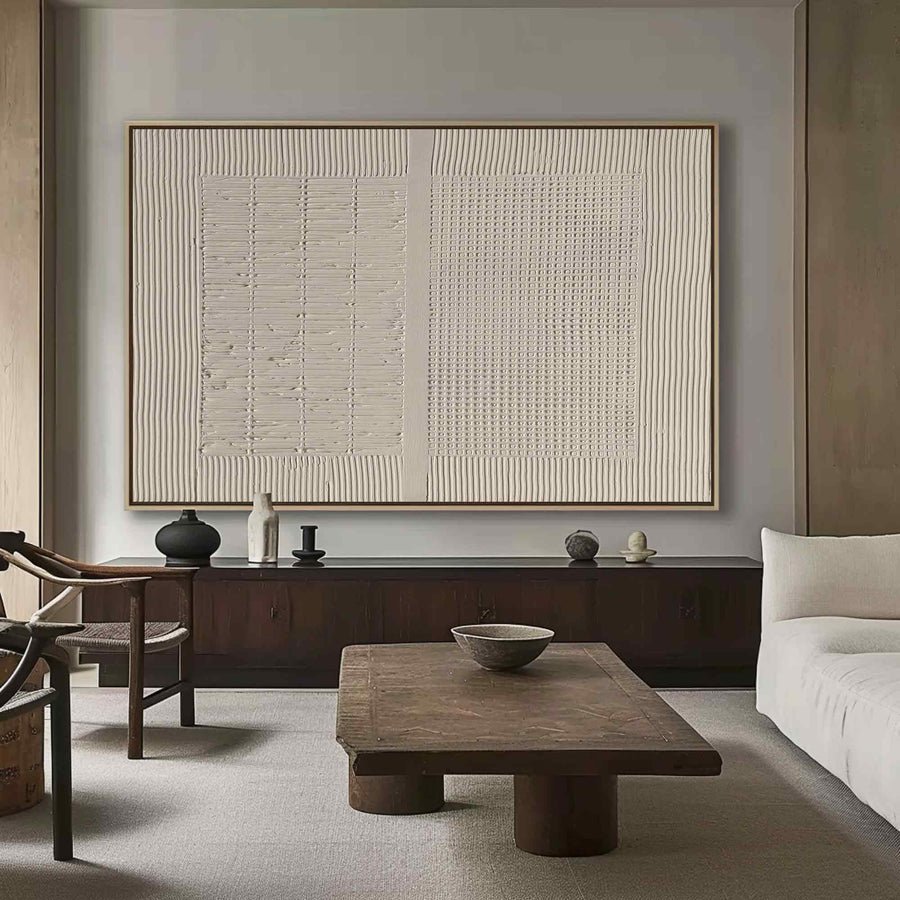
I build a short comparison record
I write one sentence for each candidate rather than collecting more promotional words. My sentence names what the object is, what image it follows and whether it is already made. I add the dimensions and the finish supplied. If I cannot complete that sentence from the listing, I ask a question before comparing prices.
I keep an unknown visible. For example, I may know that one canvas is hand painted but not know whether the design is repeated. I do not fill that gap with a guess. I label it as an unanswered question. This keeps a less detailed listing from looking better simply because I imagined a favorable answer.
I also check the photos against the description. A beautiful room image can help me picture the mood, but a direct photograph is more useful for inspecting a particular object. I want any illustration or sample image clearly identified. I compare the description of the supplied frame with the photographed frame so that styling does not become an accidental purchase assumption.
I place personal preference beside factual checks. I may prefer the history of a named artist's work. I may instead want a particular color balance at a suitable scale. These are valid but different aims. I do not use originality as a shortcut for quality, or reproduction as a shortcut for poor quality. I choose after the basic claims are clear, then retain the listing, answers and final order description together for later reference.
| Decision | My check |
|---|---|
| Unanswered claim | I leave it marked as unknown. |
| Room styling | I confirm what is actually supplied. |
| Personal priority | I name why this option suits my purpose. |
Conclusion
I compare the object, its image source and the buying arrangement separately. Clear descriptions help me choose a painting that matches my purpose.