How do I agree on revision scope before commissioning a painting?

I can assume revision means any change I want. An artist may mean corrections within the agreed brief, and that gap can create friction late in production.
I agree on what can be reviewed, when feedback is invited and how changes are classified before commissioning. I distinguish brief corrections from new subject, size or style requests. I ask for the actual limits and approval record rather than assuming unlimited rounds.
I define revision scope with examples from the planned painting. That makes the agreement easier to use than a vague promise that changes will be possible.
Which review stages should I ask about?
I can wait until the finished painting to raise a composition concern. The artist may have expected that decision to be settled much earlier.
I ask what evidence appears at each stage and which decisions it is meant to settle. I confirm the feedback route and any response timing requirements. I do not assume every artist offers the same sketch, progress or final review process.
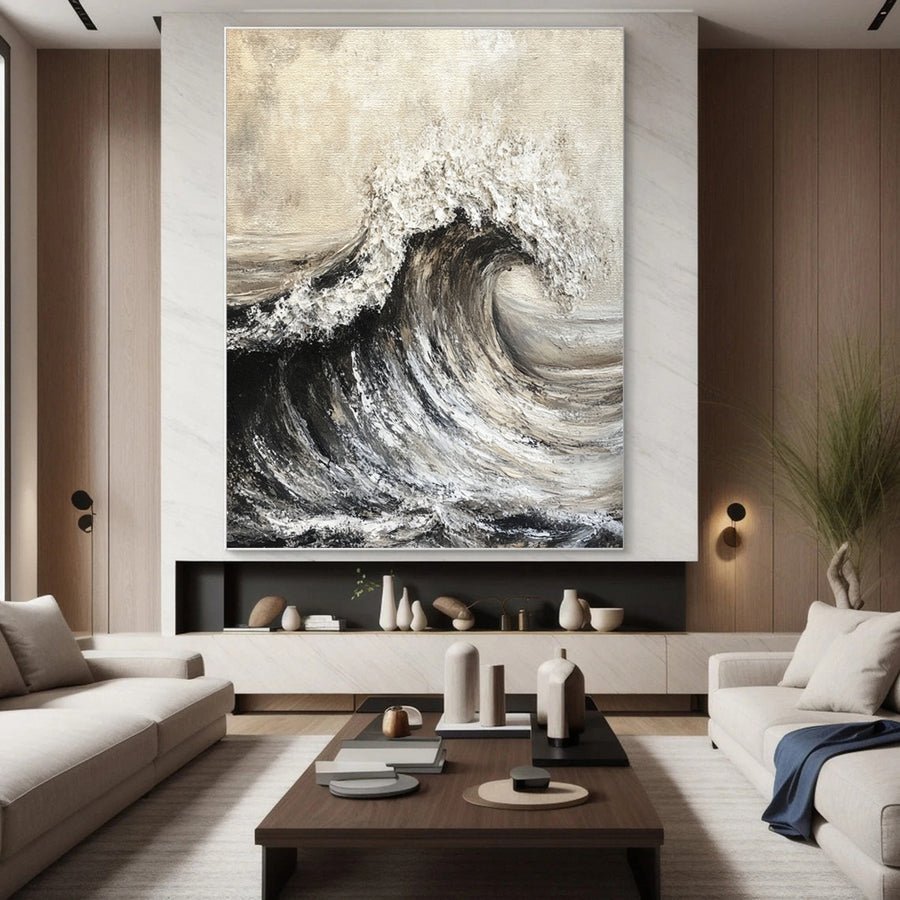
I connect each stage to its decisions
I ask the supplier to describe the planned sequence for my order. I want to know whether I will review a composition, a progress image, a finished view or another form of evidence. I do not invent stages that have not been offered. I ask what each available stage can realistically show. A layout view may settle the crop without explaining physical texture. A finished photograph may show the surface but leave less room for a major composition change.
I match questions to the earliest useful stage. I raise subject placement, missing people and crop concerns when the composition is being reviewed. I ask about likeness details when the offered evidence makes them visible. I keep frame dimensions separate from the painted image if they require another specification. I do not wait for one grand final review to answer every question. I also ask how I should send feedback so it reaches the right order record.
I confirm any response expectations. If the supplier needs an approval before proceeding, I ask what happens when I need more time or another explanation. I do not assume that silence counts as approval or that the supplier must pause indefinitely. I save the agreed process with the custom artwork brief. That gives both the visual decisions and the review stages a clear reference before the order starts.
| Decision | My check |
|---|---|
| Composition stage | I raise crop and placement |
| Detail review | I use the evidence available |
| Response timing | I ask what the process requires |
What is the difference between a correction and a new request?
I can call a different pose a small correction because the same person remains in the painting. The artist may need to rebuild much of the scene.
I compare the request with the approved brief. A correction addresses a missed agreed detail. A new request changes the assignment, such as another pose, subject, size or style. I ask the supplier how borderline cases affect cost and timing before proceeding.
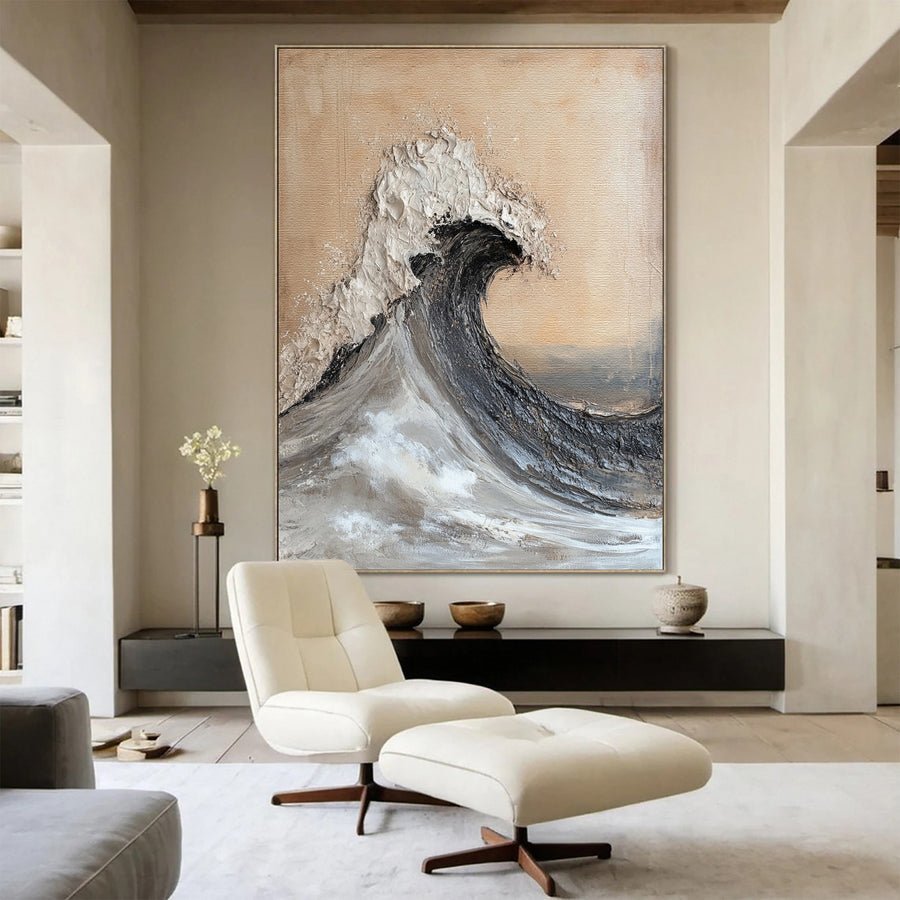
I use the approved brief as the boundary
I keep the agreed reference visible when deciding how to describe a change. If the brief asked for a visible coat marking and the review does not show it, I can point to that agreement. If I now prefer a different expression from another photo, I identify that as a new direction. I do not assume that keeping the same subject makes the work unchanged. A different angle can alter anatomy, lighting and composition together.
I ask about requests that sit between those categories. A small crop adjustment may be simple before production and more involved later. A frame change may leave the paint untouched but affect the physical package. Framing guidance helps explain why outside dimensions and fit are real decisions.[2] I ask the supplier how the actual option would be handled. I avoid declaring the change minor based only on its short description.
I supply clear references for any proposed new direction and check permission when a different photographer’s image is involved.[1] I do not treat the revision discussion as automatic clearance to use another source. I ask for the updated scope, cost and timing before accepting the change. I keep the original agreement and the revised record labeled separately. That makes it easier to review the next evidence against the current instruction without pretending the first brief always contained the new request.
| Decision | My check |
|---|---|
| Missed agreed detail | I point to the brief |
| Different pose | I name a new direction |
| Borderline change | I ask about cost and timing |
How do I set priorities without demanding unlimited changes?
I can request every difference I notice and make the review harder to finish. Minor preferences may distract from the few details that matter to the portrait.
I identify essential features before production and rank feedback by their effect on the work’s purpose. I distinguish identity concerns from optional style preferences. I ask for the offered revision limits and avoid turning each review into an entirely new brief.
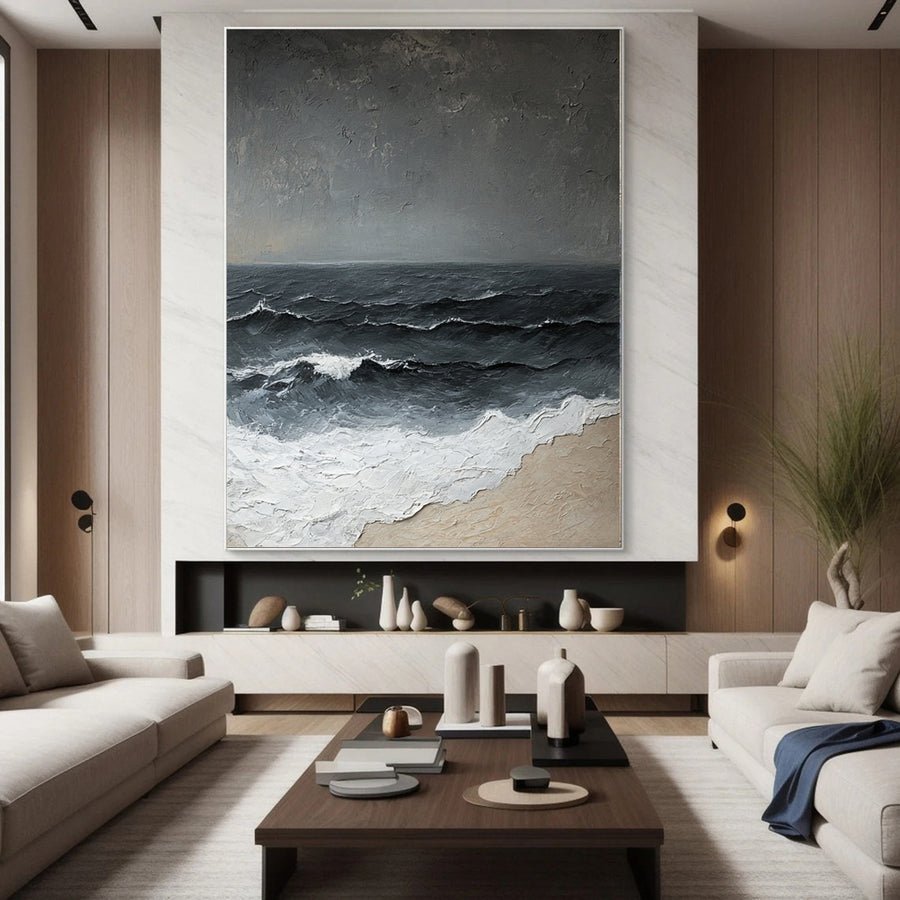
I decide what matters before the feedback round
I prepare a short list of essential features in the initial brief. I may prioritize head shape, a familiar gaze or a specific landmark. I keep the list focused enough to guide the artist. I do not label every mark as non-negotiable. That would hide the actual purpose and leave little room for a painted interpretation. I also describe where a looser treatment is welcome, so the artist knows which areas carry less identity weight.
I rank feedback using those priorities. I put a clear likeness or agreed-detail concern before a small background preference. I name the parts that already work and should be preserved. I avoid asking for a broad change when I can identify a specific issue. I also consider the medium. Thickly applied paint creates a physical surface, and impasto names that treatment.[3] I do not expect a textured area to become a perfectly smooth camera image merely because I zoom into it on screen.
I ask for the actual revision limits before placing the order. I do not invent a count or assume every supplier follows the same policy. I ask how additional work is quoted when needed. I use the quality review questions to prepare a focused request for evidence rather than demand unsupported guarantees. I keep each feedback round tied to the current scope. If I want a new style after approval, I say so and ask what that new direction requires.
| Decision | My check |
|---|---|
| Essential features | I name them before production |
| Feedback list | I rank the important concerns |
| Further work | I ask how it is quoted |
How do I record approval so the scope stays clear?
I can reply with a casual yes and later disagree about what I accepted. A clear approval record prevents the review from depending on memory.
I identify the approved version and list any accepted changes or remaining questions. I confirm size, format and frame choices with the image. I save the written approval and request acknowledgment when a later message changes the agreed instruction.
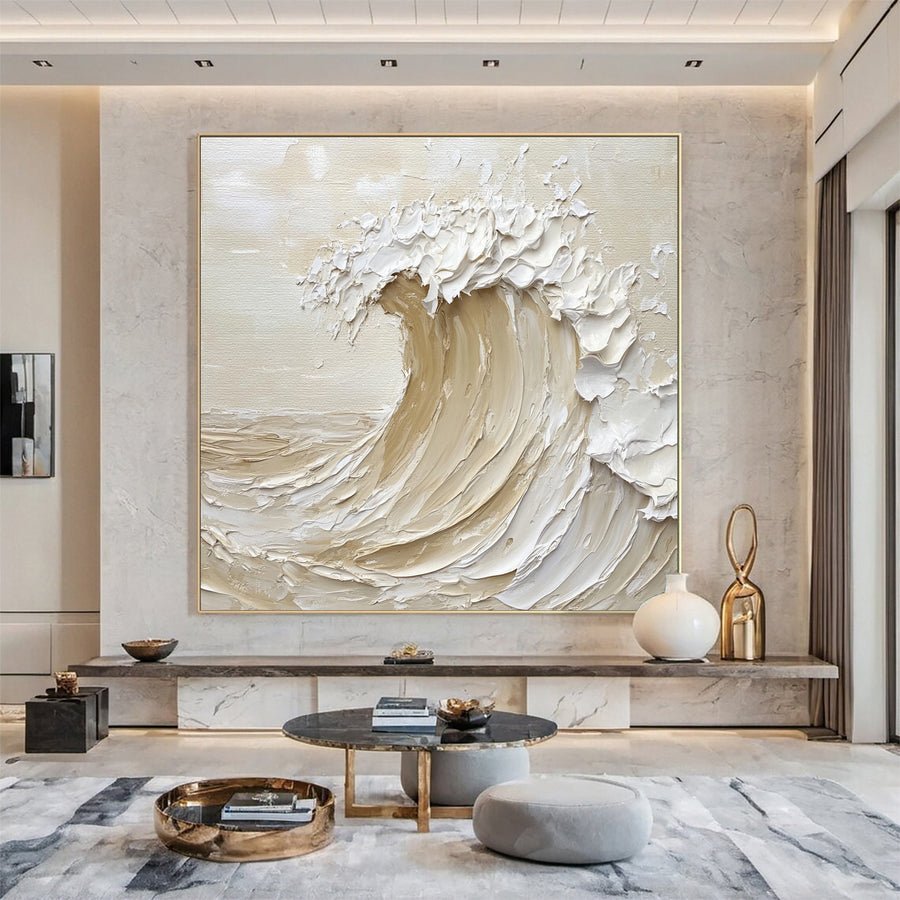
I make the approved version easy to identify
I use a file name, date or version reference when approving an image. I avoid saying only that the latest one looks fine if several files are in the conversation. I confirm that the reference corresponds to the current size and crop. I also check the physical format and frame selection. A visually approved image does not automatically answer those questions. I keep the relevant measurements with the approval so the finished object remains part of the same record.
I resolve open notes before giving final approval. I list any point that still needs an answer and ask whether production should wait for that answer under the agreed process. I do not send a full approval and an important objection in the same unclear sentence. If I accept a difference intentionally, I record that choice. I then review later evidence against the accepted version rather than reopening the point because I forgot the decision.
I request acknowledgment for a later change. I do not assume a fresh message silently overrides the approved instruction or arrives before the next production step. I ask what the new request affects and whether the supplier can accept it. I save the response alongside the earlier record. I keep the tone practical rather than legalistic. The purpose is to make the decision easy to find and use. A clear record helps the commission move forward without asking either side to reconstruct a long conversation from memory.
| Decision | My check |
|---|---|
| Version approved | I name the exact file |
| Open question | I keep it separate from approval |
| Later change | I request acknowledgment |
Conclusion
I define review stages and change types before production. I keep approvals clear, and I confirm new scope before asking the artist to alter an agreed direction.