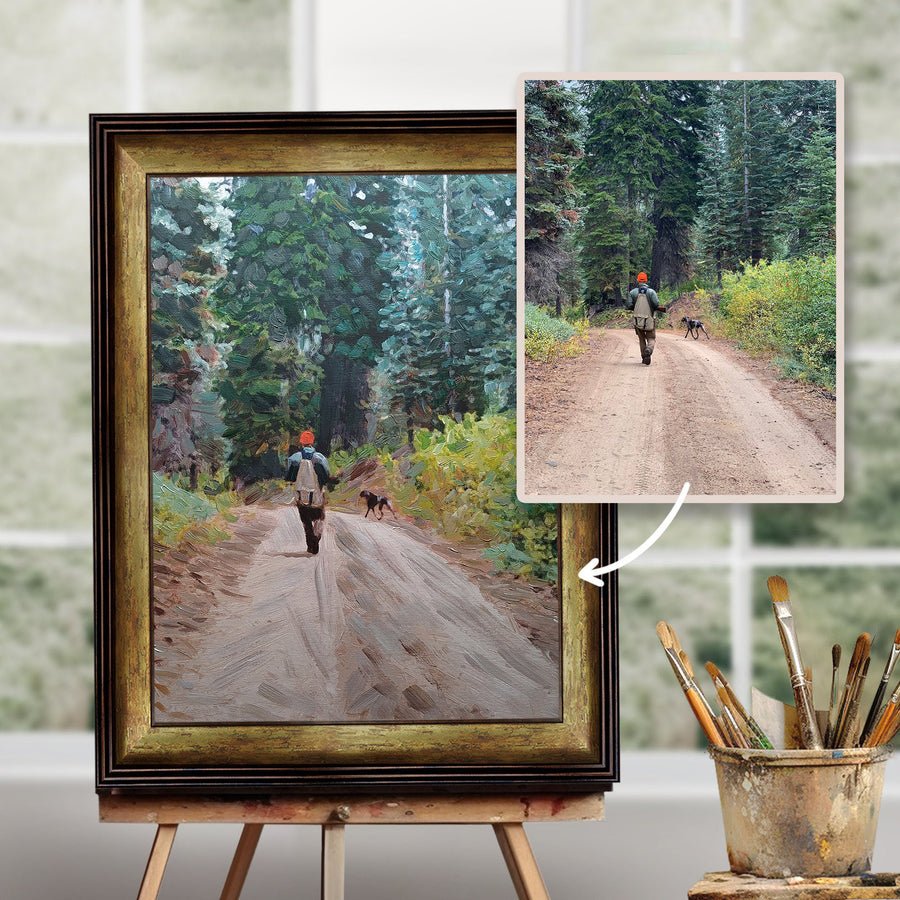
How do I commission a landscape painting from a travel photo?
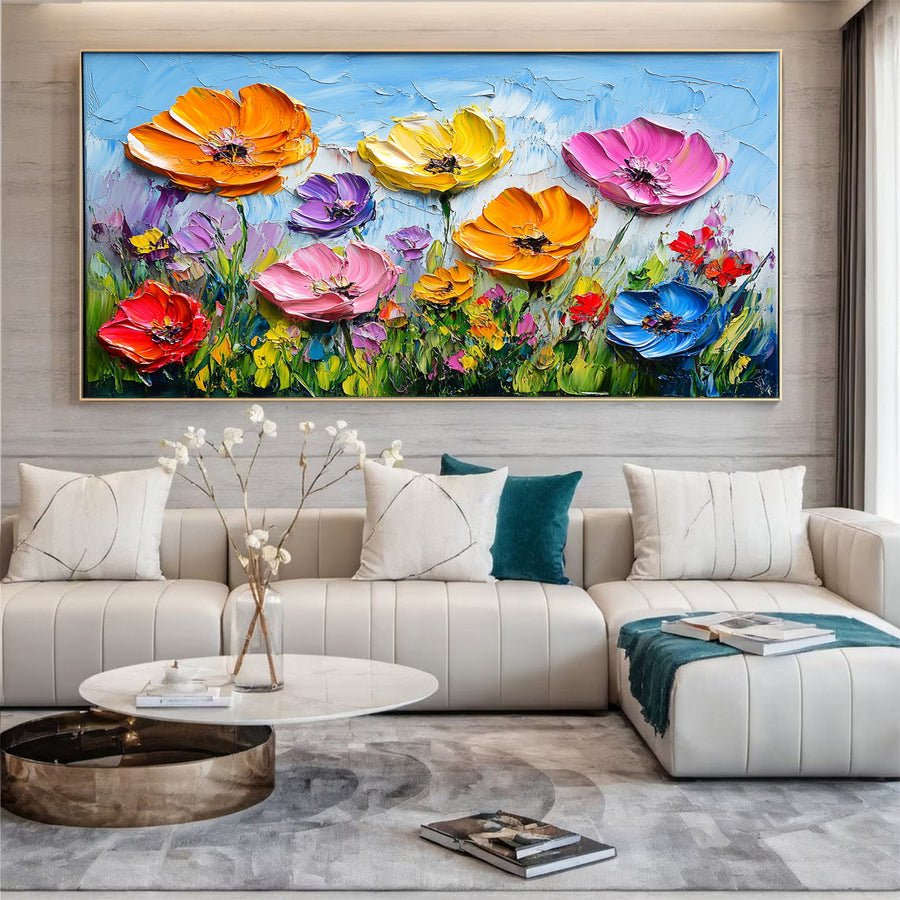
I can love a travel photo while its clutter, haze or lens distortion weakens the painting. The camera’s record may need a clearer brief before becoming wall art.
I choose the place and moment I want to preserve, then separate essential landmarks from optional photo details. I provide the original file, decide the crop and discuss any changes. I confirm the painting style, size and photograph permissions before commissioning the landscape.
I use the photograph as evidence, not as a list of details that must all survive. I decide what makes the place recognizable before asking the artist to interpret it.
Which travel photograph makes the strongest reference?
I can choose the most emotional snapshot even when it hides the place. A striking sunset may leave the buildings or coastline too dark to read.
I choose a photo with a clear view of the landscape features that matter. I inspect the original file for blur, glare and distortion. I add labeled supporting views when necessary, while keeping one main image responsible for the composition.
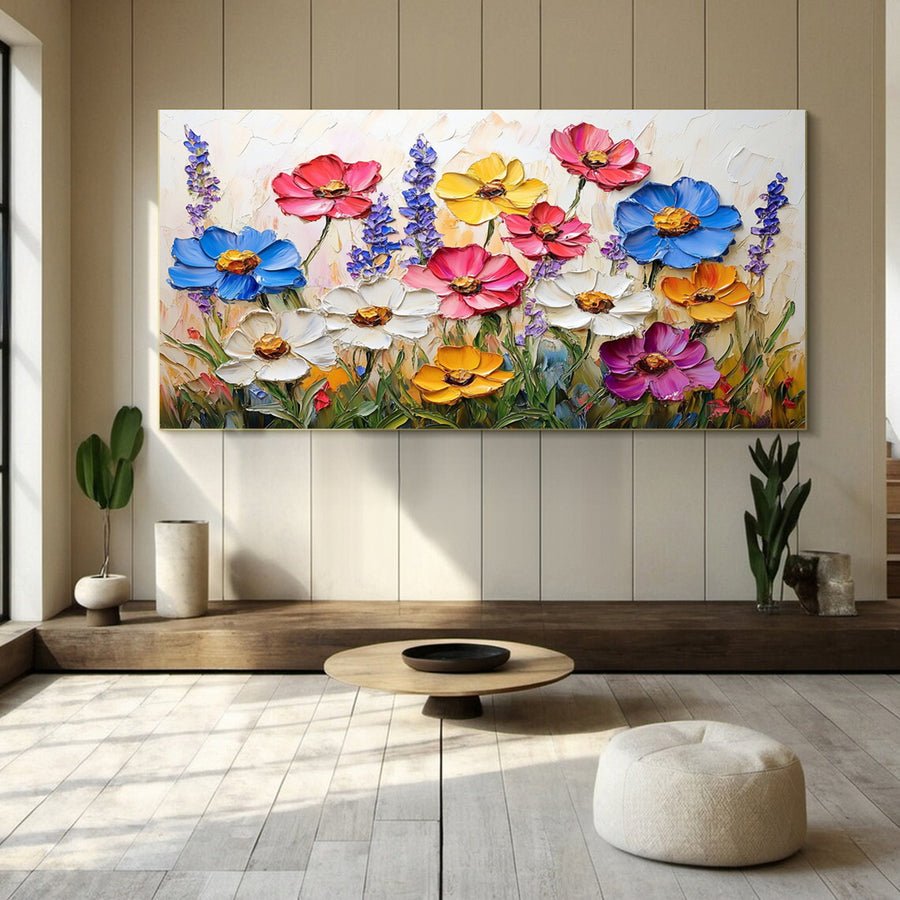
I find the photograph that explains the place
I ask what makes the location important to me. It may be a mountain outline, a street corner or the light on a particular shore. I compare photographs for those features before judging which image is most dramatic. A strong sky can draw attention, but it may hide the ground I want to remember. I decide whether the painting should preserve the actual viewpoint or mainly the mood of that moment. I explain that difference in the brief.
I inspect the original image at a useful scale. I look for motion blur, glare and objects cut off at the edges. I also check whether a wide-angle view bends buildings or stretches the foreground. I do not ask the artist to copy that distortion automatically if I want a more natural-looking scene. I show another view when it clarifies the real structure. I label supporting photos so they do not silently replace the chosen light or composition.
I check permission if I did not take the image. The Copyright Office explains the photographer’s rights, which are separate from my connection to the place.[1] I keep any needed permission attached to the source file. I use the custom painting request to share the main image and the specific features I want preserved. I do not assume that a public travel image is available for any use merely because I can download it.
| Decision | My check |
|---|---|
| Meaningful landmark | I check whether it is visible |
| Distorted buildings | I provide a clearer supporting view |
| Photo by another person | I check the intended use |
What changes should I discuss before painting begins?
I can ask for a cleaner landscape and forget that removing objects changes the scene. A simple request may require new information about what sits behind them.
I list requested removals, additions and lighting changes separately from the source. I ask how uncertain areas will be interpreted. I protect the place’s defining features and approve a clear composition, rather than assuming the artist can reconstruct every hidden part.
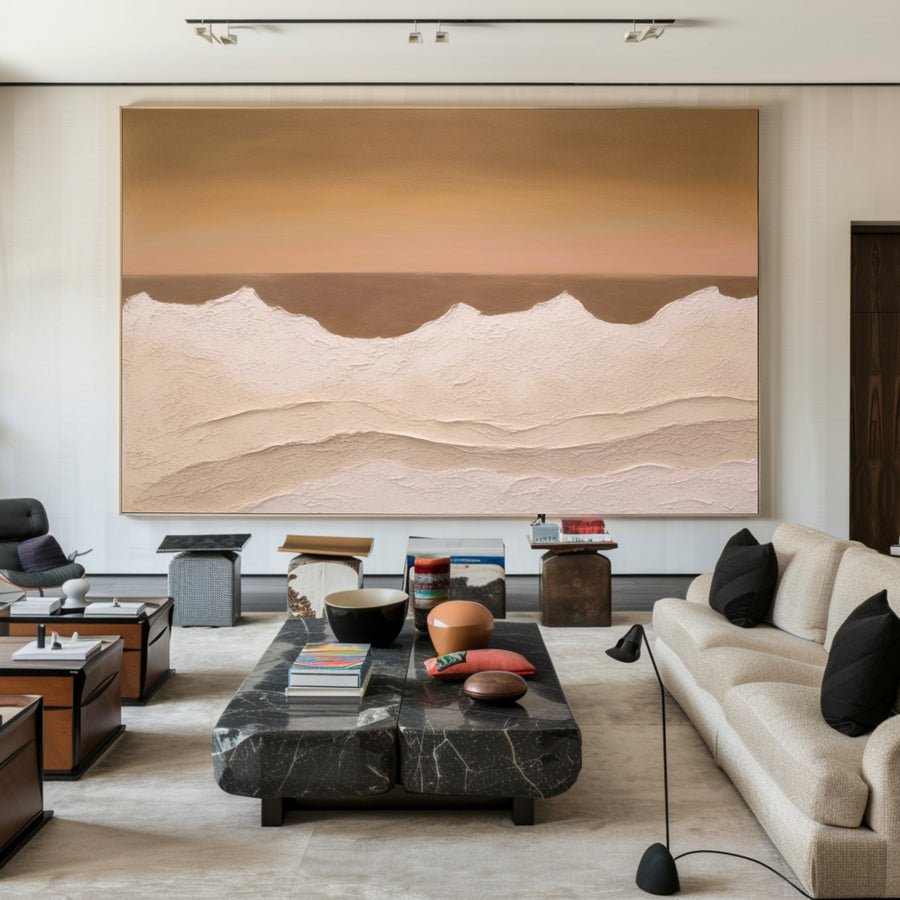
I make the edits visible in the brief
I identify details that distract from the landscape’s purpose. A passing vehicle, a sign or a foreground object may not belong in the painting I want. I mark those items on a working copy and explain the request. I keep the untouched photo available. I do not assume that removing an object reveals a known background. If the camera never recorded that area, the artist must interpret it or use another reference. I ask which route will be taken.
I treat added details with the same care. A boat, a figure or a different building can change the scene’s meaning and balance. I provide a reference for an addition where possible. I avoid asking for a person or structure that has no clear relationship to the scale and viewpoint. I also discuss large lighting changes before production. Turning a midday scene into evening affects more than the sky. Shadows, contrast and the color of the ground can all need a new interpretation.
I decide which features must remain stable. I may allow a simpler foreground while keeping the mountain outline recognizable. I may welcome a looser sky but want a particular building’s shape preserved. I write those priorities beside the edit list. I ask the supplier to review whether the request fits the selected style and price. I avoid treating every adjustment as a small correction just because I can describe it in one short sentence.
| Decision | My check |
|---|---|
| Object removed | I ask how the hidden area is handled |
| New subject added | I supply scale and reference |
| Lighting changed | I discuss the whole scene |
How do I choose the crop, size and painting style?
I can enlarge a scenic photo to fill a wall and lose the landmark in a wide composition. More canvas does not always mean a clearer memory.
I compare the landscape inside the proposed canvas shape and check the landmark from normal viewing distance. I choose a style that fits the reference and intended mood. I confirm actual texture and materials rather than relying on a broad textured-art label.
I connect the view to the finished wall
I compare a full scene with a closer crop at the same visible painting size. I look at where the main landmark sits and how much space it occupies. A panoramic photo can feel expansive, but its important details may become small on a modest canvas. I do not enlarge the entire scene automatically. I ask whether a crop can keep the place recognizable while giving the main feature more room. I also check the horizon and any important object near an edge.
I test the finished outline on the wall. I include the outer frame if one is planned and use a method suitable for the wall surface. I step back to the usual viewing position. I decide whether the landscape should act as a quiet background or a clear focal point. I avoid using a room mockup without confirmed scale as the only size test. I keep the chosen dimensions in the brief so the composition remains linked to the display.
I describe the style in practical terms. I may want broad strokes in the sky and more defined forms around the landmark. I ask whether thick paint or another texture medium is proposed. Impasto has a specific meaning as thick paint application.[2] I do not assume that a digital textured effect proves the finished material. I use the quality review guidance to prepare questions about surface evidence and finish before approving the approach.
| Decision | My check |
|---|---|
| Wide scene | I compare a closer crop |
| Wall scale | I test the outside outline |
| Texture requested | I confirm materials and treatment |
How do I approve a landscape that keeps its meaning?
I can focus on color and overlook a changed horizon or landmark shape. The painting may feel attractive while losing the place I wanted to remember.
I review the defining features, viewpoint and agreed changes before smaller marks. I compare the work with the approved reference and style brief. I give specific feedback, confirm the accepted version, and keep the material and care information with the finished painting.
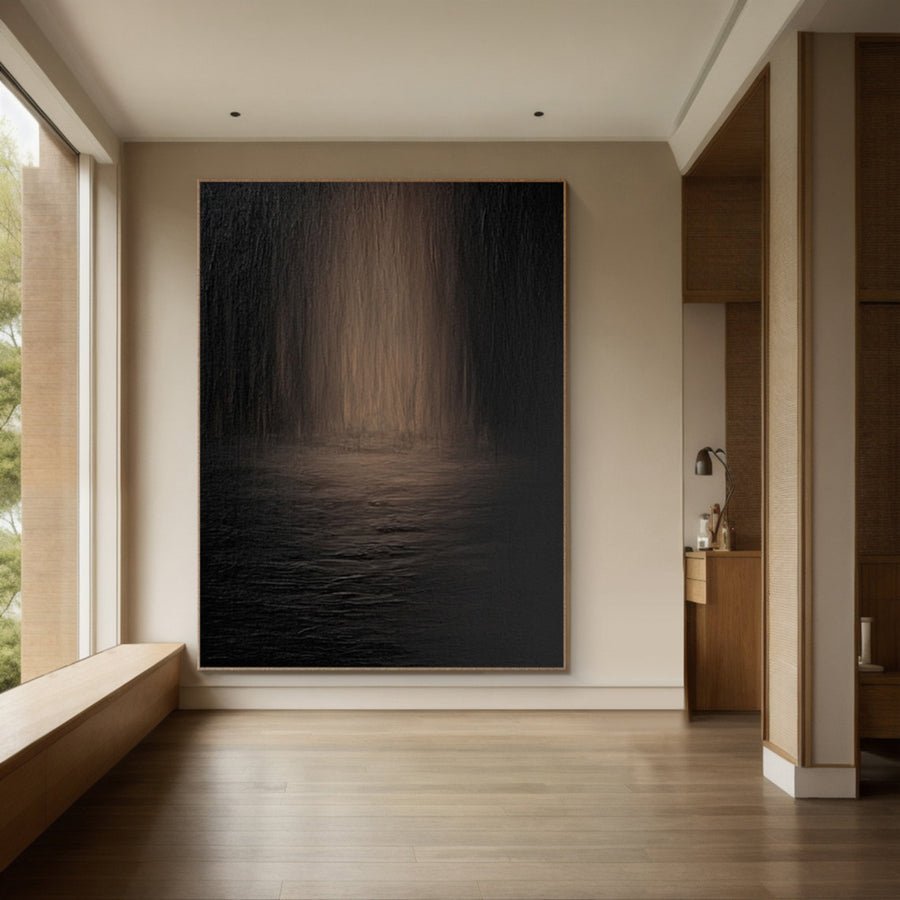
I review recognition before decoration
I make a short approval checklist based on the landscape’s purpose. I include the important outline, the viewpoint and any landmark that must stay recognizable. I review those items before deciding whether a small cloud or foreground stroke differs from the photograph. I do not expect a hand-painted interpretation to repeat every camera detail. I do expect the artist to follow the agreed priorities and to make any major change visible in the review.
I compare the work with the selected reference rather than with a new image of the place. A different photograph may have another tide, season or camera position. If I now prefer that version, I identify it as a new direction. I give feedback using precise areas and supporting references. I ask whether a change is possible at the current stage and what it affects. I avoid reopening the entire composition when the concern is a single landmark boundary.
I save the approved image with the size and format. I also keep the actual material information and supplied care advice. Painting-care guidance explains why stable display and careful handling matter.[3] I use that background to choose a suitable indoor location, not to assume every landscape has the same surface or finish. I separate future display choices from the original commission decisions. That lets the painting remain a clear record of the place I chose without requiring it to function as a literal duplicate of the photograph.
| Decision | My check |
|---|---|
| Defining landmark | I review it first |
| Different source image | I label a new direction |
| Finished artwork | I save care and material information |
Conclusion
I protect the landscape’s defining features and explain every requested change. I connect the reference, crop, style and display size before approving the commission.