Which details help a hand-painted dog portrait feel familiar?
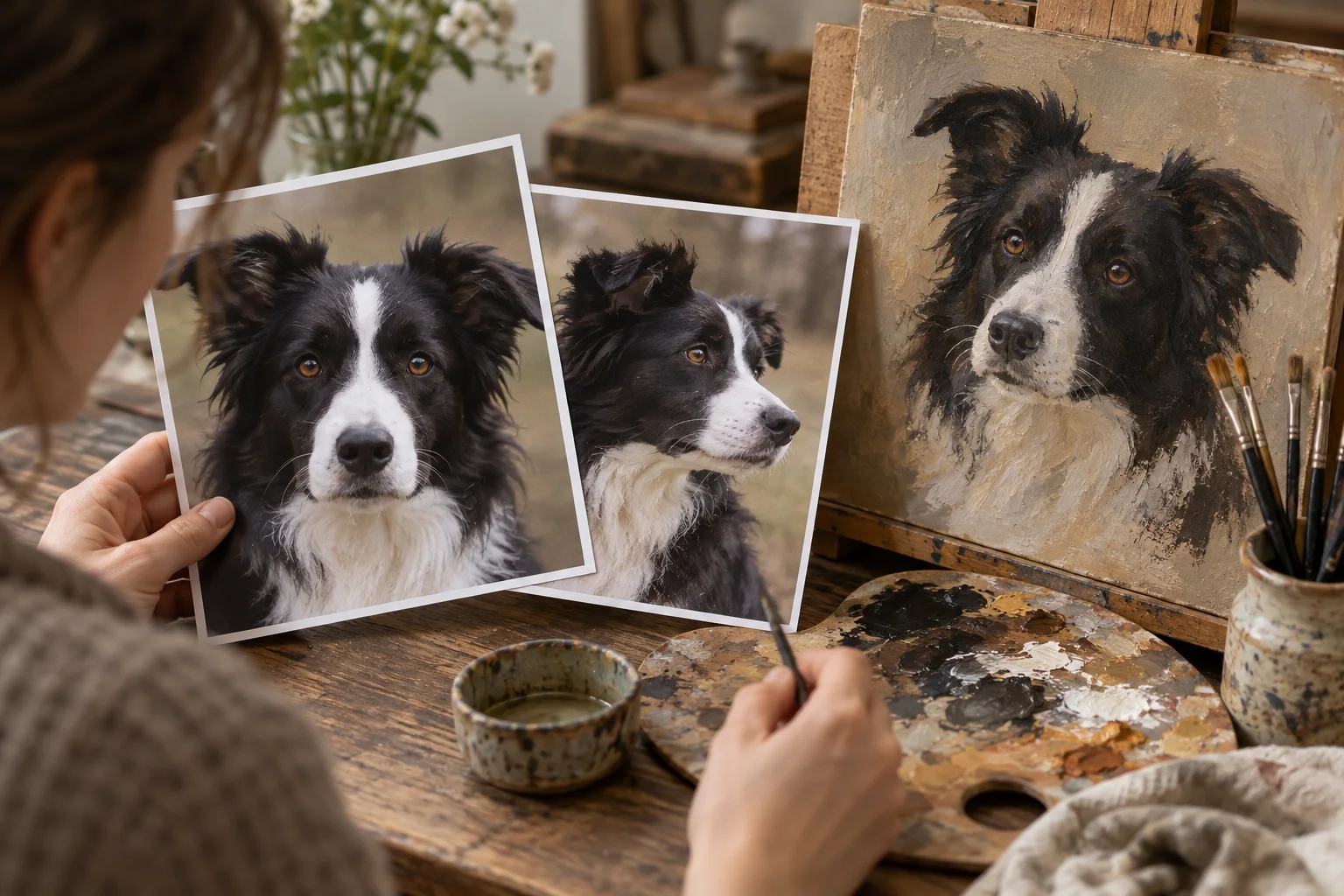
I can choose a beautiful dog photograph and still miss the look I recognize. Small changes to ears, muzzle or markings can make a portrait feel unfamiliar.
I identify the head shape, ear position, eye expression, muzzle and coat markings that make my dog recognizable. I choose clear reference photos and label these priorities. I review the whole silhouette before small details and keep natural asymmetry in the brief.
I do not need to describe every hair. I need to show which visible features carry the dog’s identity and which parts of the photograph can change.
Which head and ear details should I protect?
I may focus on the eyes while an altered head outline changes the whole dog. A generic ear shape can erase a familiar expression.
I compare the head silhouette, muzzle length and natural ear position first. I include reference photos from useful angles and mark any unusual feature. I avoid requesting a different pose unless I can show how the head looks in that position.
I begin with the shape I recognize
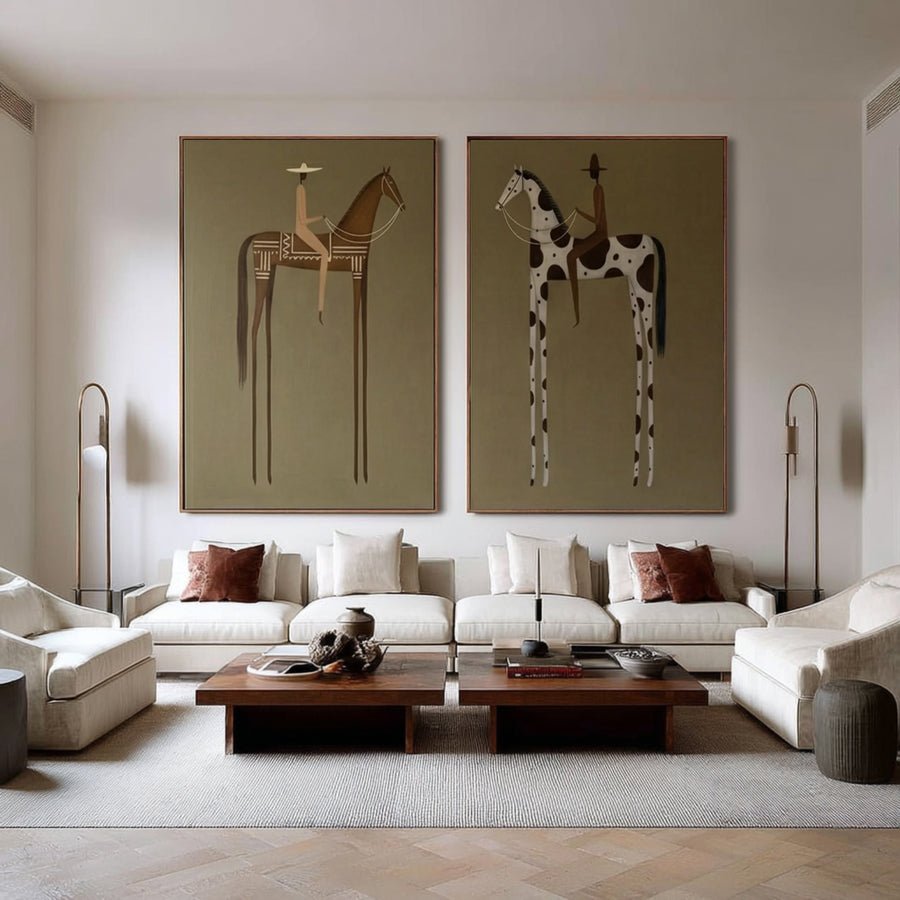
I study the dog’s outline before zooming into the eyes. I look at the width of the skull, the length of the muzzle and the way the cheeks meet the neck. I also check whether the ears stand, fold or sit at different angles. A portrait can contain careful surface detail and still feel wrong if these larger shapes drift. I use a clear main photo that shows those relationships without a strong wide-angle effect.
I add a second reference when one ear or part of the muzzle is hidden. I explain that this image supports a specific feature and does not replace the chosen pose. If an ear naturally bends differently from the other, I say so. I do not ask the artist to make both sides more even just because symmetry seems neat. The familiar irregularity may be the feature that helps the painting feel personal. I keep my description tied to something visible in the photos.
I distinguish a pose change from a small correction. Turning a profile into a front view requires information the original image may not show. I supply a front-facing reference or discuss a different main photo rather than asking for a confident invention. I can begin that review in the photo composition section. The preview helps me compare placement, but it cannot establish unseen anatomy or guarantee the final painted likeness.
| Decision | My check |
|---|---|
| Head outline | I compare width and muzzle length |
| Uneven ears | I preserve natural position |
| New angle | I provide a reference for that view |
How do the eyes and expression affect recognition?
I can sharpen a blurry eye in my imagination and choose the wrong expression. A bright studio-style gaze may not match my dog’s quiet look.
I choose a photo with a visible eye shape and a familiar expression. I note the direction of the gaze and the mouth position. I use extra images to clarify hidden features, while keeping one main expression as the painting reference.
I describe the expression without inventing it
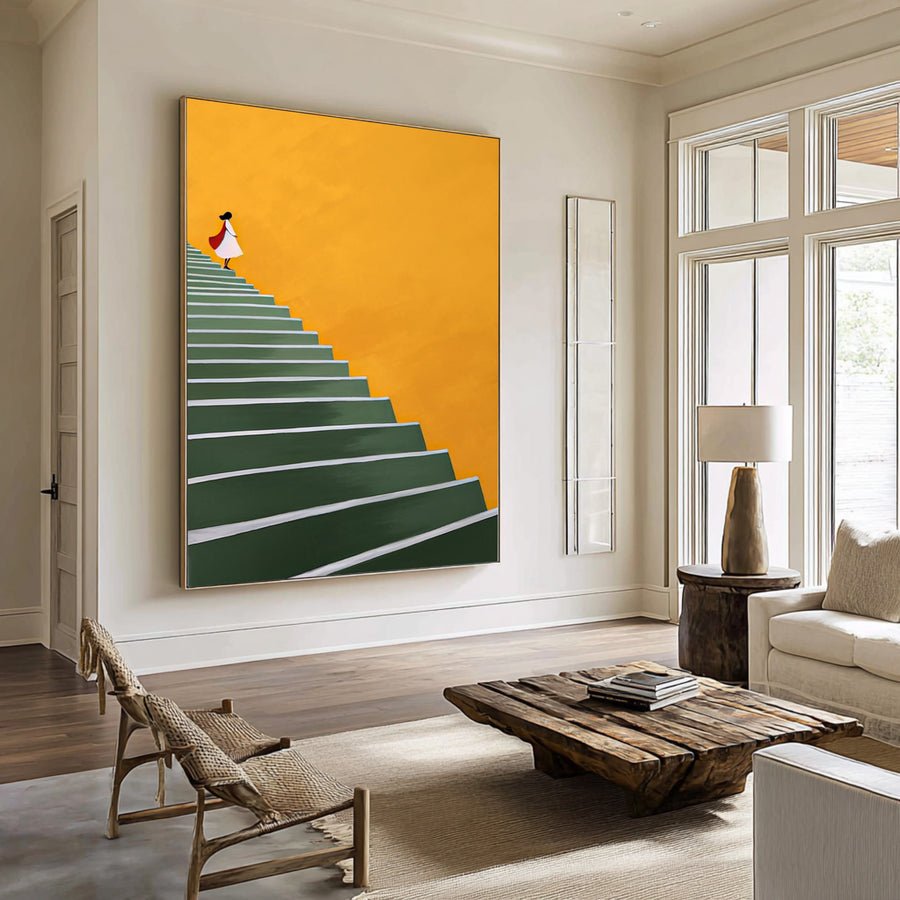
I ask what mood the chosen photograph actually shows. I may want a relaxed companion rather than an alert working pose. I compare the eyelids, the direction of the gaze and the mouth together. An open mouth can suggest a different moment from a closed, still expression. I do not assume that changing one feature leaves the rest of the face unchanged. I show the artist the expression I want instead of naming a mood and expecting a precise reconstruction.
I inspect whether the eyes are visible at useful quality. Dark fur, glare or motion can hide their shape. I add another photo if it shows the color or lid shape more clearly, but I label its purpose. I avoid asking for brighter eyes simply to make them stand out. That change could make the dog look less familiar. I also avoid heavily edited references that smooth away features or change the color balance without explanation.
I keep the eyes in relation to the whole head. A close screen view can make tiny highlights seem more important than the actual expression. I step back and compare the dog at the intended composition size. A memorial portrait request in a community discussion shows why recognition can matter deeply to a buyer.[1] I use that concern to make my brief more careful, not to claim that one expression is right for every owner. I explain my own priorities in the custom painting brief.
| Decision | My check |
|---|---|
| Quiet expression | I preserve mouth and eyelid position |
| Hidden eye detail | I add a labeled supporting photo |
| Overbright edited reference | I compare it with the original |
Which coat markings should stay exact?
I can describe a dog as brown and white while missing a small patch that everyone recognizes. Broad color labels may hide the most personal details.
I mark distinctive patches, spots and color boundaries on a reference copy. I describe where they sit on the body and distinguish light reflections from actual fur color. I keep the original image available so the artist can compare the marked version.
I map the markings rather than every hair
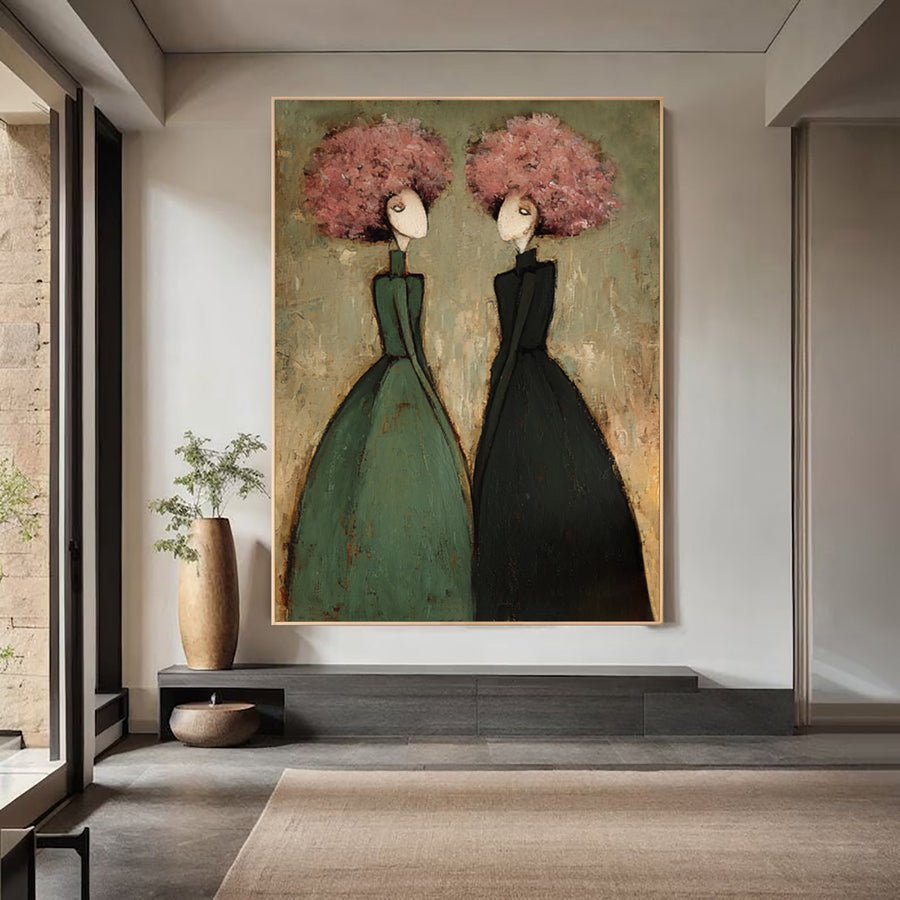
I look for the coat features that separate this dog from another dog of the same breed. A white stripe may stop above one eye. A dark patch may sit on only one cheek. I mark those boundaries on a working copy and write short notes beside them. I do not cover the reference with so many arrows that the artist cannot see the fur. I keep the untouched photo as the visual source and the marked version as a guide.
I compare the same feature across more than one image. A bright reflection can look like a pale patch, and a shadow can make the coat seem darker than it is. I check whether the feature stays in the same place under different light. I describe a real marking only when the evidence supports it. If the available photos are uncertain, I say which color I remember and ask how that uncertainty will be handled. I do not turn a memory into a claim that the photo proves it.
I ask for a painted interpretation of the fur rather than a count of individual hairs. The artist may use broader marks to keep the coat readable from a normal distance. I decide which boundaries must stay recognizable and where a looser texture is welcome. I check permission if a professional photographer owns the reference image.[2] I keep color and rights questions separate so neither disappears inside a long discussion of likeness.
| Decision | My check |
|---|---|
| Distinct patch | I mark its actual boundary |
| Light or shadow | I compare other photographs |
| Fur texture | I separate identity from hair detail |
How do I review the portrait without chasing every difference?
I can compare a painting pixel by pixel with a photo and lose sight of the dog. Endless tiny corrections may distract from the important likeness issues.
I review the silhouette, expression and markings in that order. I name a small set of specific differences and show the supporting reference. I distinguish necessary likeness corrections from style preferences, then confirm the agreed approval process before asking for changes.
I prioritize the differences that change identity
I make a short review list before looking at the approval image. I include the head shape, the ear position and any coat marking I have already identified as important. I then compare the painting with the same main reference used in the brief. I do not switch to a new favorite photograph halfway through the review without explaining that I am asking for a different expression or pose. That would change the assignment, not simply correct a detail.
I describe a concern with a visible point of comparison. I might say that the left ear sits higher than in the approved photo, rather than saying the dog looks wrong. I can attach a marked reference if the difference is hard to explain. I keep each note separate and rank its importance. I also name the parts I want preserved so a correction does not accidentally alter an expression I already like. I ask which changes are possible at the current stage and what effect they could have on timing or cost.
I view the preview at a sensible scale. A digital enlargement can expose brush marks that will not dominate the finished display. I still take clear identity errors seriously, but I do not expect oil paint to behave like a camera file. I save the approved version with the written decisions. After delivery, I follow the work’s care instructions and use painting-care guidance for background context.[3] I keep the likeness review focused on the dog rather than asking the painting to erase its own medium.
| Decision | My check |
|---|---|
| Identity difference | I show a precise reference |
| Style preference | I name it separately |
| Approval accepted | I save the agreed version |
Conclusion
I build the reference around head shape, expression and distinct markings. I keep the important quirks visible and explain them before approving a painted interpretation.