How do I build a gallery wall around one hand-painted artwork?
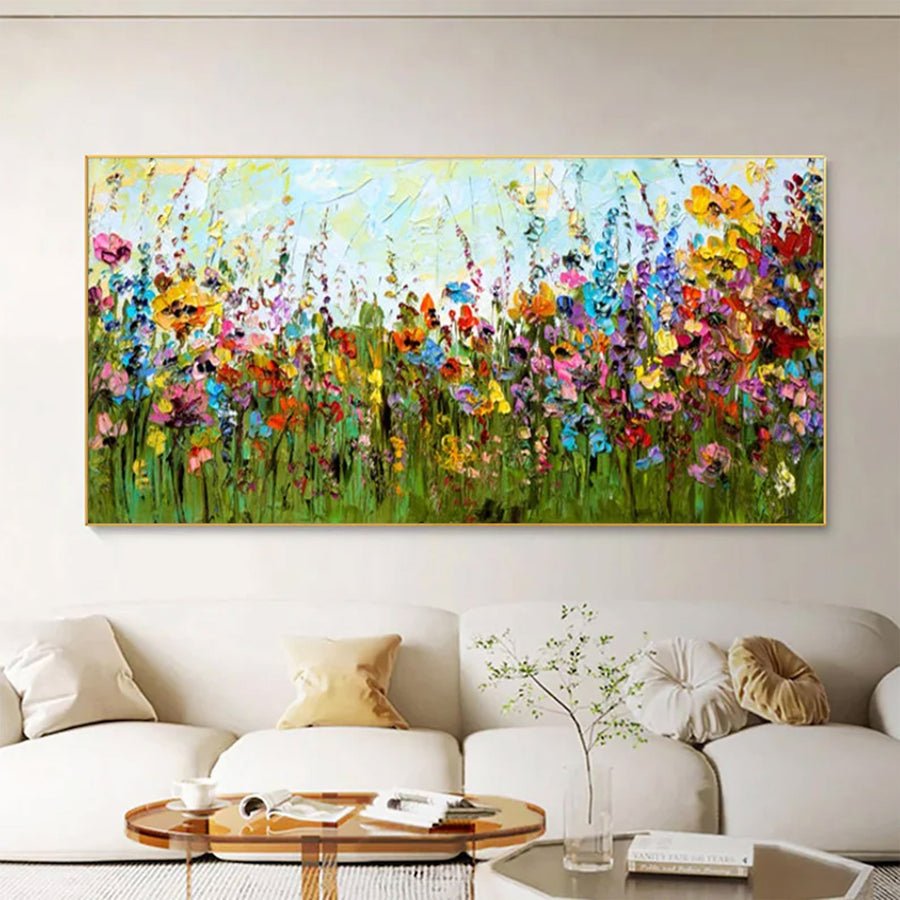
I can add several small pictures around a painting and lose the artwork I wanted to highlight. A gallery wall needs a clear starting point.
I build the gallery wall around one chosen anchor painting. I test the whole group with paper templates, keep a clear spacing pattern and check frame relationships. I give each work suitable support and avoid crowded contact between pieces.
I choose the anchor first and let the other pieces earn their place. The following checks help me create a group that feels collected without becoming random.
Which painting should become the anchor of the gallery wall?
I can call the largest frame the anchor even when another painting carries more visual weight. Size is only one part of the choice.
I choose the work that I most want people to notice. I compare size, contrast, texture and subject. I place that anchor first and build the smaller pieces around its visual role.
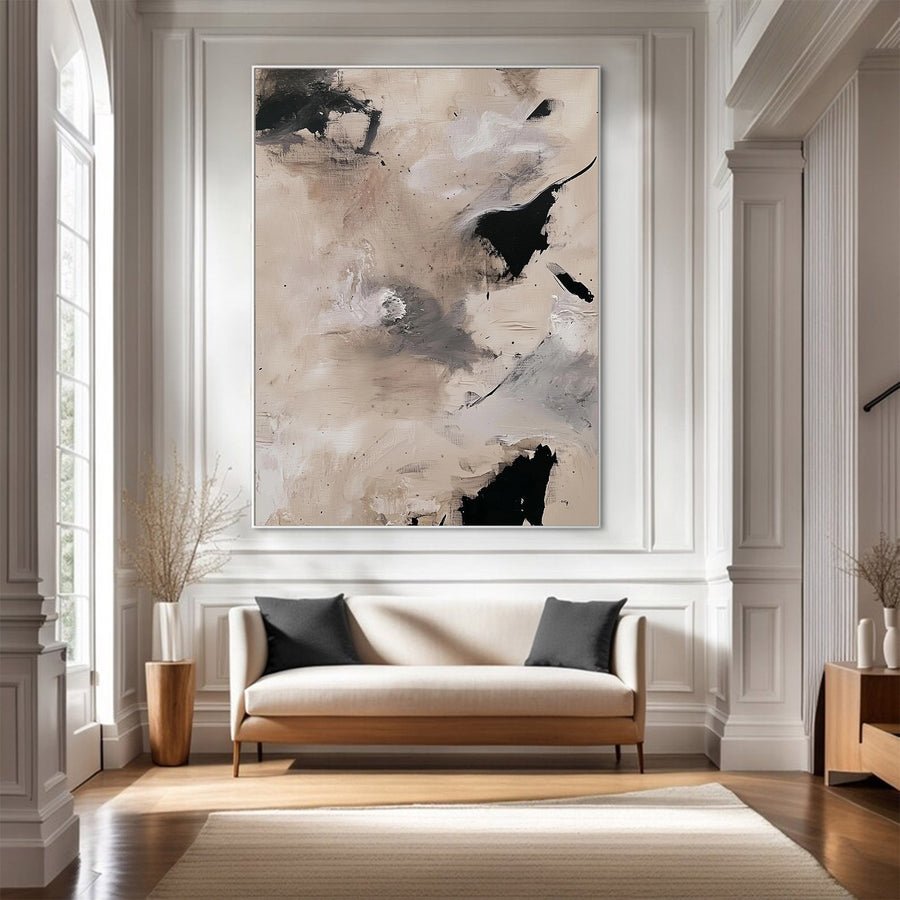
I name the painting I want to lead
I lay out photographs of the candidate works on a table or screen. I do not stack actual paintings together for this exercise. I ask which one I would keep if the wall could hold only a single artwork. That choice often reveals the piece that should lead the arrangement.
I compare visual weight as well as physical size. A small dark portrait can draw more attention than a larger pale abstract painting. A strongly textured surface can also become a focus under side lighting. I do not assume that the widest frame automatically deserves the central position.
I write a simple sentence about the anchor. I might say that I want the soft landscape to be the calm center, or that I want the portrait to remain the first thing I see. This is an editorial example, not a claim about a customer project. The sentence gives me a way to judge every added piece.
I choose an anchor position within the whole group. It does not need to sit at the exact wall center, but its relationship with the furniture should be clear. I use paper templates to test the group from the room entrance and the main seat.
I can discuss an anchor artwork through the custom art service. I share the other planned pieces as context so the new painting does not have to compete with an unseen group.
| Decision | My check |
|---|---|
| Personal focus | I identify the work I most want to notice. |
| Visual weight | I compare contrast and texture as well as size. |
| Anchor position | I test its place within the complete group. |
How do I arrange the smaller pieces around it?
I can fill every gap and make the wall harder to read. Small additions need a job within the group, not just an empty space.
I choose a clear layout approach, such as a shared outer shape or a visible center line. I add smaller pieces in stages. I remove any piece that competes with the anchor without improving the group.
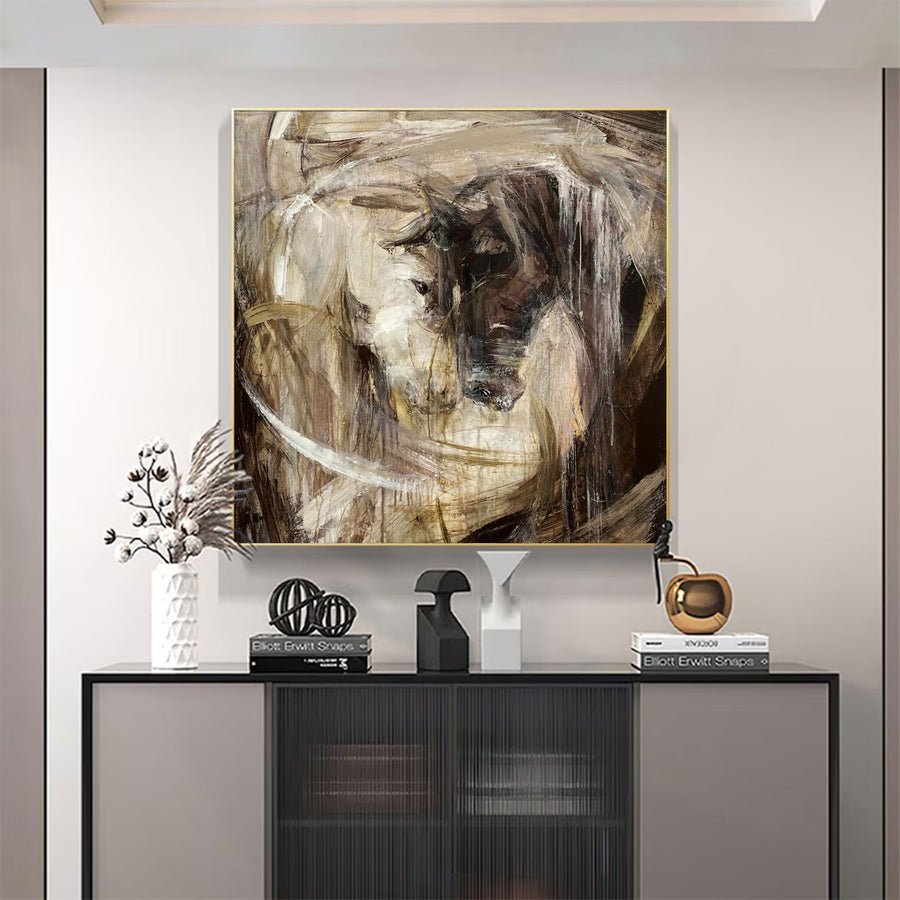
I build the group in stages
I begin with the anchor template and two companion templates. I do not try to place the whole collection at once. A small first group shows whether the surrounding works support the anchor or pull the eye away from it. I photograph that stage before adding more.
I choose a simple organizing idea. I may keep the whole group within a broad rectangle. I may use a common center line for several smaller pieces. I may create a balanced cluster with more space on one side. I use one clear idea rather than mixing several layouts without a reason.
I keep the outside edges in view. The spaces between frames matter, but the complete silhouette also changes the room. A tiny frame extending far above the rest can make the group feel scattered. I test it before deciding that irregularity looks collected.
I compare the subjects too. Several strong faces, bold words and busy patterns can compete even when their frames fit neatly. I use quieter companion works when I want the anchor to stay easy to notice. I do not need all pieces to have the same style or color.
I leave some wall visible around the group. The amount comes from the room rather than a universal spacing rule. Display guidance reminds me to keep practical surroundings in the decision.[3] I avoid extending the group into a busy doorway just to include one more picture.
| Decision | My check |
|---|---|
| First stage | I begin with the anchor and two companions. |
| Outer shape | I check the silhouette of the whole group. |
| Extra piece | I ask whether it strengthens or distracts. |
Do all the frames need to match?
I can force every painting into the same frame style and lose useful character. I can also mix so many finishes that the group feels confused.
I use a limited relationship between frame colors, profiles or materials. I check that each frame suits its artwork. I do not choose a decorative match at the expense of proper fit and support.
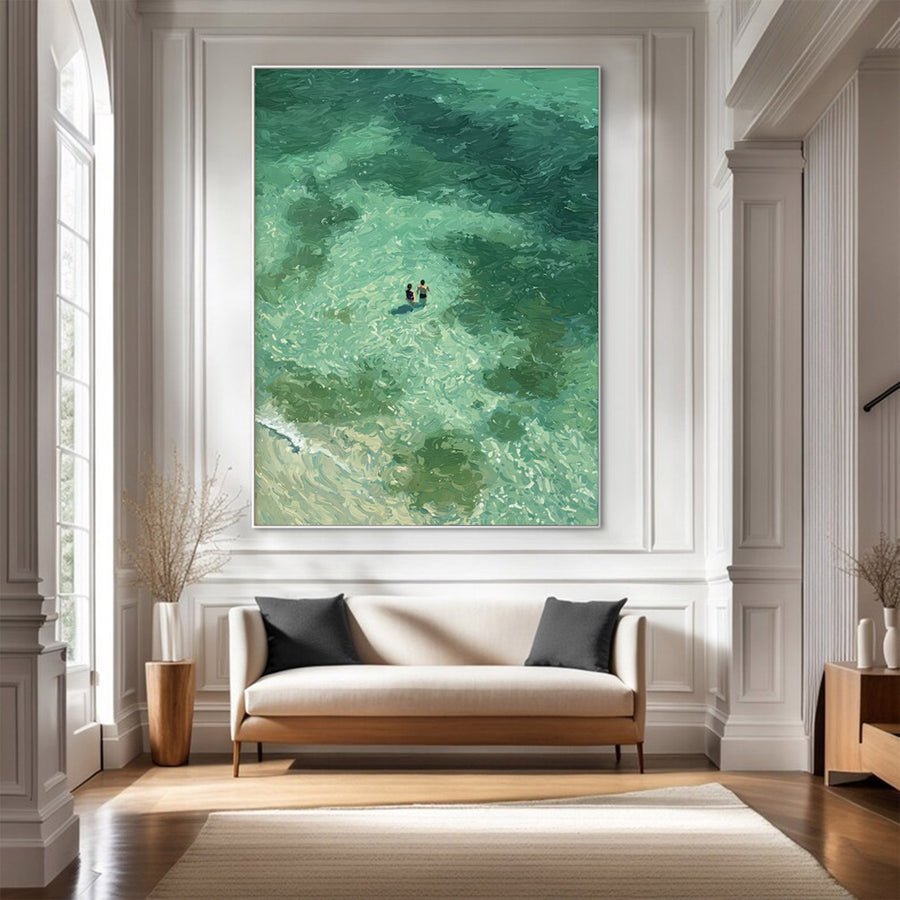
I look for a relationship rather than identical frames
I put the frame choices beside the artwork photographs. I look for one connection that can hold the group together. That may be a repeated dark edge, a family of pale woods or a similar frame depth. I do not need every frame to come from the same range.
I compare the profiles at the intended viewing distance. A narrow black frame and a heavy carved black frame share a color but carry very different weight. I keep that difference in mind when I place them beside a pale canvas. The frame can change which work becomes the focus.
I ask a qualified framer about each artwork rather than choosing only from appearance. A painted canvas, a work on paper and another kind of object may have different support needs. The Canadian Conservation Institute explains framing considerations for paintings.[1] I use that source to prepare questions, not to apply one framing method to everything on the wall.
I also check outer measurements after the framing choices are confirmed. A revised border can change the carefully planned group width. I update the paper templates instead of trying to hide the difference through smaller gaps during installation.
I browse the collections for a companion piece after I know what the group lacks. I might need a quieter color or a different shape. I do not buy an unrelated painting only because its frame finish appears to match a photograph.
| Decision | My check |
|---|---|
| Color relationship | I repeat a few finishes rather than every finish. |
| Profile | I compare the visual weight of frame edges. |
| Support | I ask whether each frame suits its artwork. |
How do I install and grow the gallery wall carefully?
I can treat a gallery wall as endlessly movable and handle the paintings too casually. Repeated changes still need a clear plan.
I record the approved layout, panel weights and mounting details before installation. I handle each artwork separately and use suitable wall hardware. I leave a planned space for future additions rather than moving everything at each update.
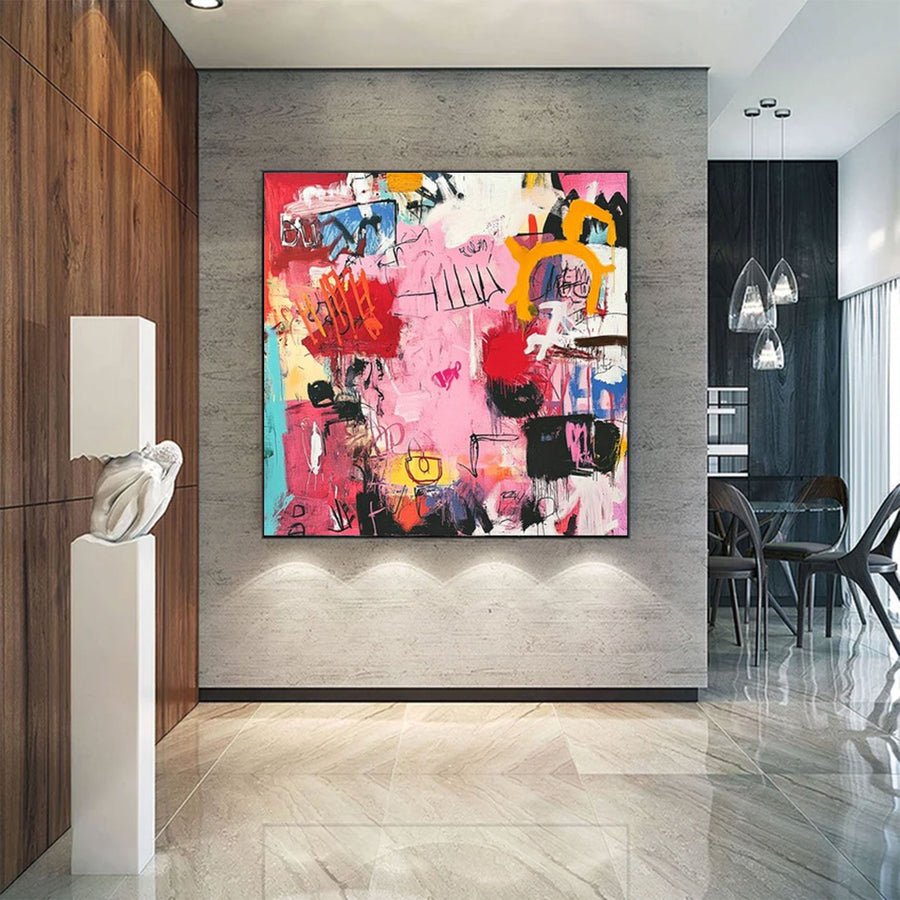
I keep a layout record for later changes
I photograph the final template arrangement and write down the frame corner positions. I label each piece so the hanging order stays clear. I keep this record with the artwork details. A future addition is easier to plan when I know how the current wall was built.
I ask for the weight and mounting information of each work. A small deep frame can weigh more than a larger light one. I let a qualified installer assess the wall and fixings rather than assuming that all pieces can share the same hook type. I avoid testing an unknown support with the actual painting.
I prepare a clear handling area during installation. I keep the painted faces away from furniture edges and other frames. Basic handling guidance is useful here because a gallery wall involves many separate lifts.[2] I do not treat a group project as permission to stack artworks or carry several at once.
I leave a deliberate future space if I expect the collection to grow. I may keep a quiet edge or reserve a small area below a companion piece. I do not label every empty patch as unfinished. The visible wall can help the anchor remain clear.
I review a new addition with a template before making another hole. I check whether it still supports the original purpose of the group. If it changes the balance too much, I consider another wall rather than forcing it into the current arrangement.
| Decision | My check |
|---|---|
| Layout record | I save frame positions and piece labels. |
| Handling | I move and support one artwork at a time. |
| Future addition | I test a template before changing the wall. |
Conclusion
I start with one anchor painting and add companions deliberately. I test the complete group, suitable frames and mounting plan before letting the gallery wall grow.