How large should a family oil portrait be to show each face clearly?
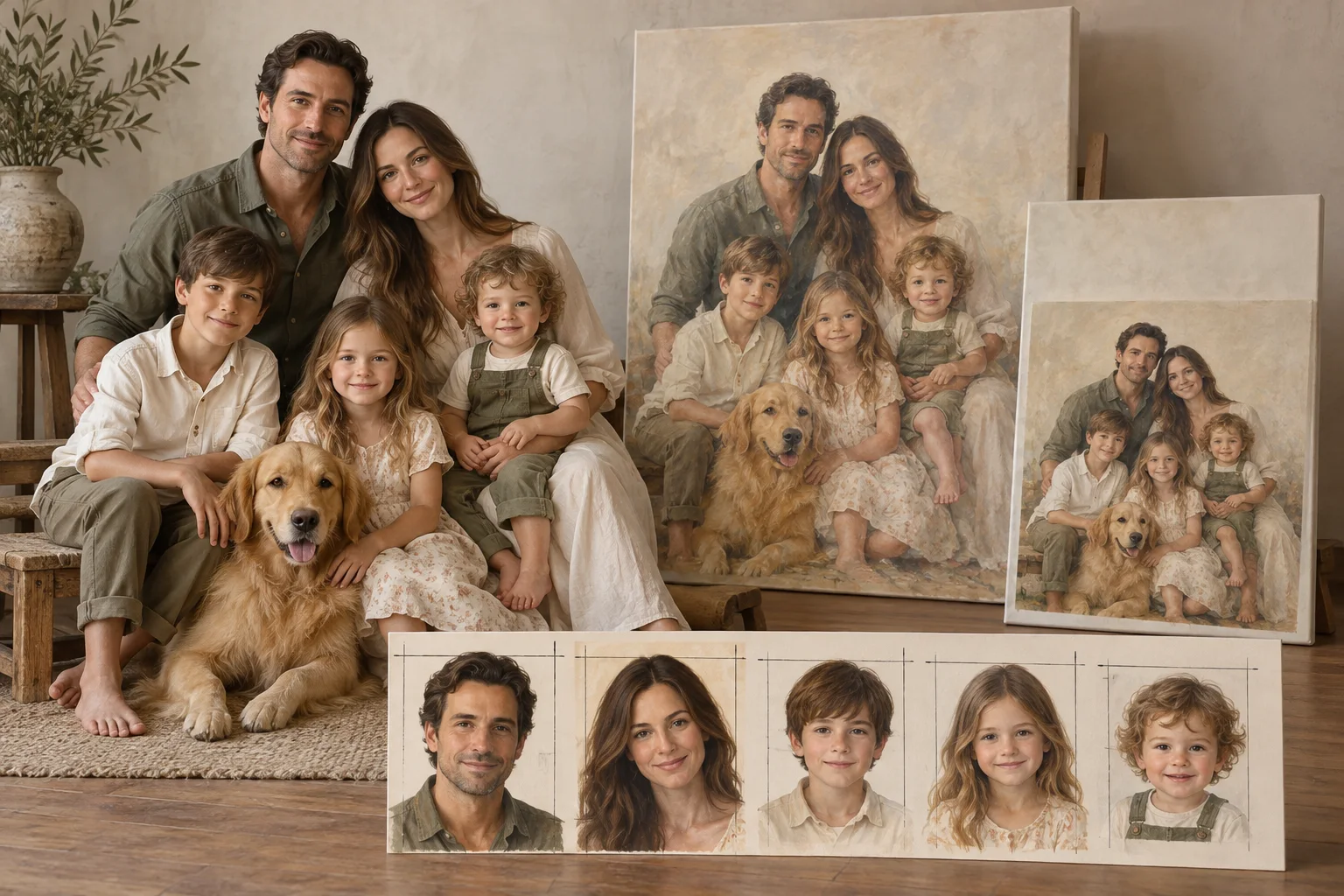
I can fit the whole family into a canvas and still make every face too small. A wider scene may look impressive while hiding the expressions I value.
I choose family portrait size by checking the number of people, crop, face size and normal viewing distance. I compare layouts at the same finished dimensions. I ask the artist whether the references support the intended detail rather than relying on a universal size rule.
I start with the role of each face, then work outward to the scene and the wall. That order helps me avoid buying extra canvas without solving the actual composition.
How does the number of people change the layout?
I can add one more relative to the brief without changing the canvas. Each addition may reduce the space available for the faces already included.
I review the group as a whole and check how much room each person occupies. I compare rows, overlapping shoulders and closer crops. I increase size or simplify the scene when the chosen layout makes important faces too small.
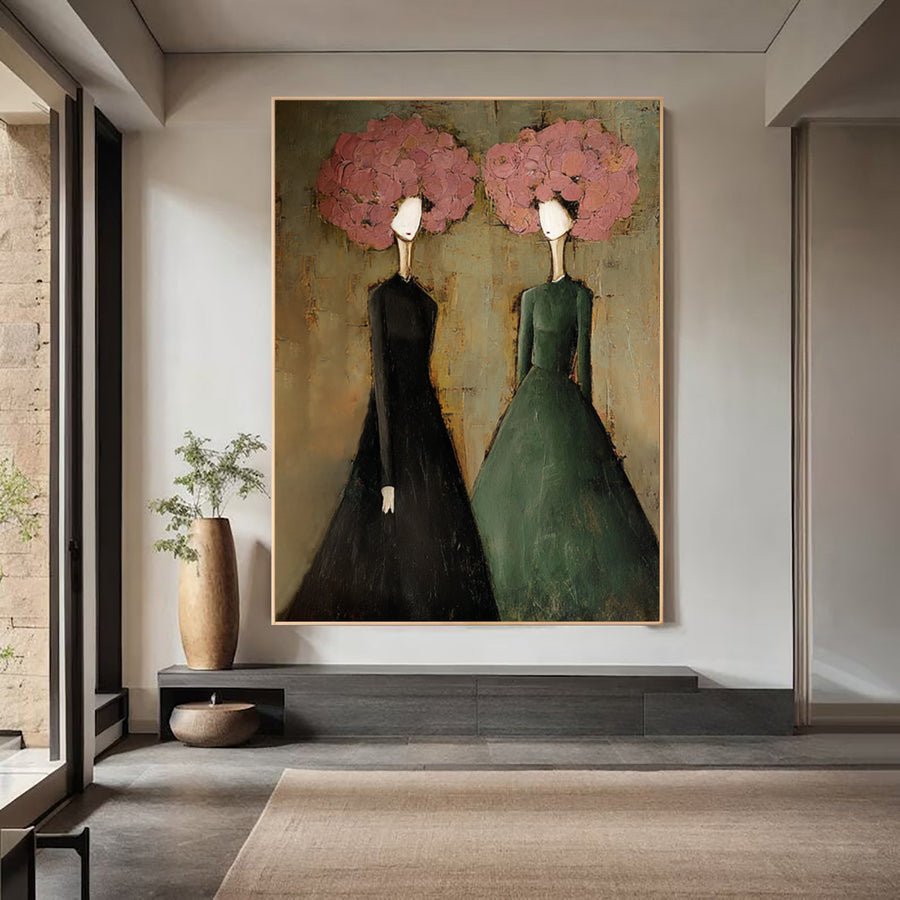
I count faces and compare their actual space
I begin with a list of the people who must appear. I decide whether the painting should show full bodies, seated figures or mainly faces and shoulders. These choices matter as much as the head count. Four full-length figures can occupy a very different composition from four close faces. I do not assume that a canvas suitable for one layout will give the same facial detail in another. I ask for a clear composition proposal tied to the requested size.
I compare the relative scale of the faces. A person farther back in a group photograph may appear smaller than someone in front. That relationship can be natural, but it can also conflict with a request to give everyone equal visual weight. I explain that preference before the artist develops the scene. I avoid asking for identical head sizes if the intended setting still uses depth. I want the group to read as a believable arrangement rather than a row of unrelated enlarged faces.
I treat separate-photo compositions as a new layout decision. A community request for a family memorial assembled from different pictures shows this need clearly.[1] I supply the roles of each image and ask what can be combined coherently. I can use the photo composition section to explore the crop, but I do not mistake a photo layout for proof of final painted facial detail.
| Decision | My check |
|---|---|
| More people added | I review face size again |
| Full bodies requested | I compare a closer crop |
| Separate photographs | I approve a new group layout |
What should I measure besides the total canvas size?
I can compare two size labels and miss that the faces occupy different amounts of each canvas. The larger label may not create a clearer portrait.
I estimate the height of each face within the proposed composition and compare it at the intended viewing distance. I also record the visible canvas and finished frame dimensions. I keep these measurements separate because they answer different questions.
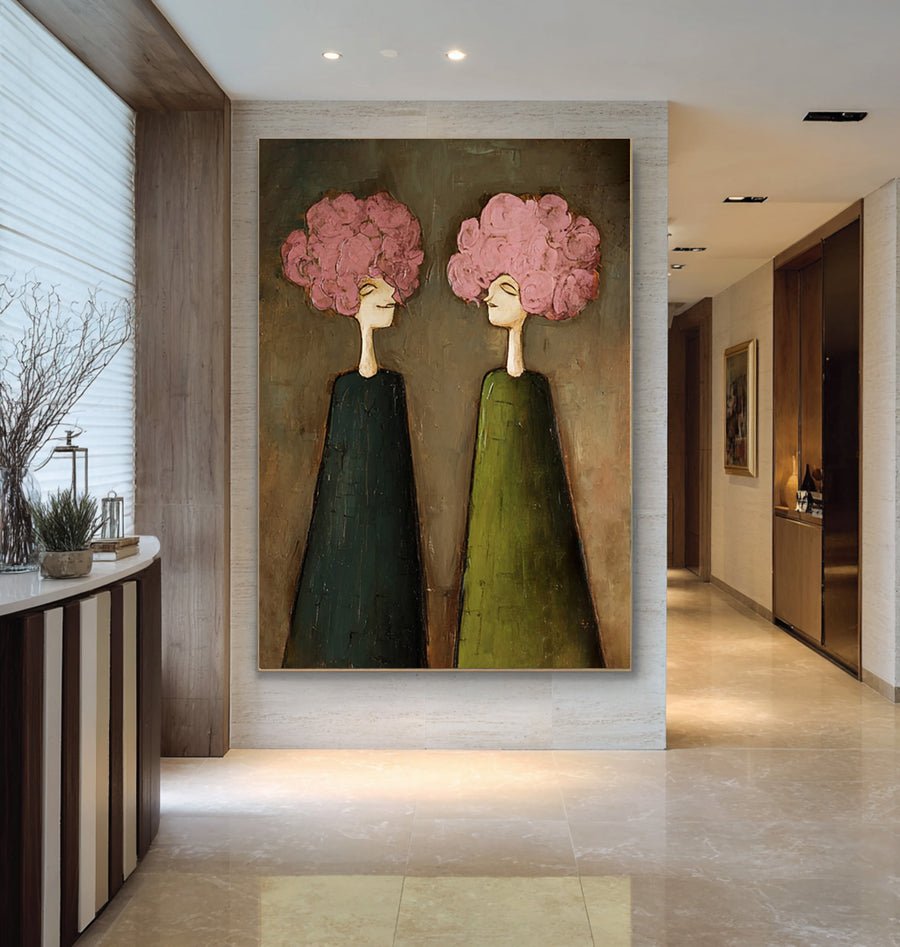
I measure the face inside the rectangle
I draw a simple rectangle for the proposed visible painting. I place the planned group inside it at the same proportions as the preview. I then estimate the height of the faces rather than looking only at the outer edge. A wide landscape, a large room or a full wedding outfit can use much of the available space. I ask whether those surroundings are essential to the story or whether a closer crop would better serve the expressions.
I use the estimate to compare options, not to set a universal minimum face measurement. Different styles and references support different levels of detail. I ask the artist how the chosen approach will handle a face at the proposed scale. I avoid turning a screen enlargement into evidence. I can make any digital face look large by zooming, but that does not change the physical painting the recipient will see from across a room.
I confirm the framing route as part of the measurement. The visible painting, stretched canvas and outside frame can have different dimensions. Framing guidance explains why fit and support deserve attention.[2] I ask which figure appears in the quote and which one I should test on the wall. I keep the answer in the custom painting brief with the approved layout. That record prevents a larger outer frame from being mistaken for extra room available to the painted faces.
| Decision | My check |
|---|---|
| Wide background | I measure faces within the scene |
| Frame included | I ask for outer dimensions |
| Detail expectation | I discuss the chosen physical scale |
How does viewing distance affect the choice?
I can judge the group from a close screen view while the painting will hang across a room. Fine facial details may not be visible from that position.
I test the intended outline on the wall and look from normal seating and walking positions. I compare whether the faces and overall group remain readable. I choose a closer crop or larger visible painting when the current layout loses its purpose at that distance.
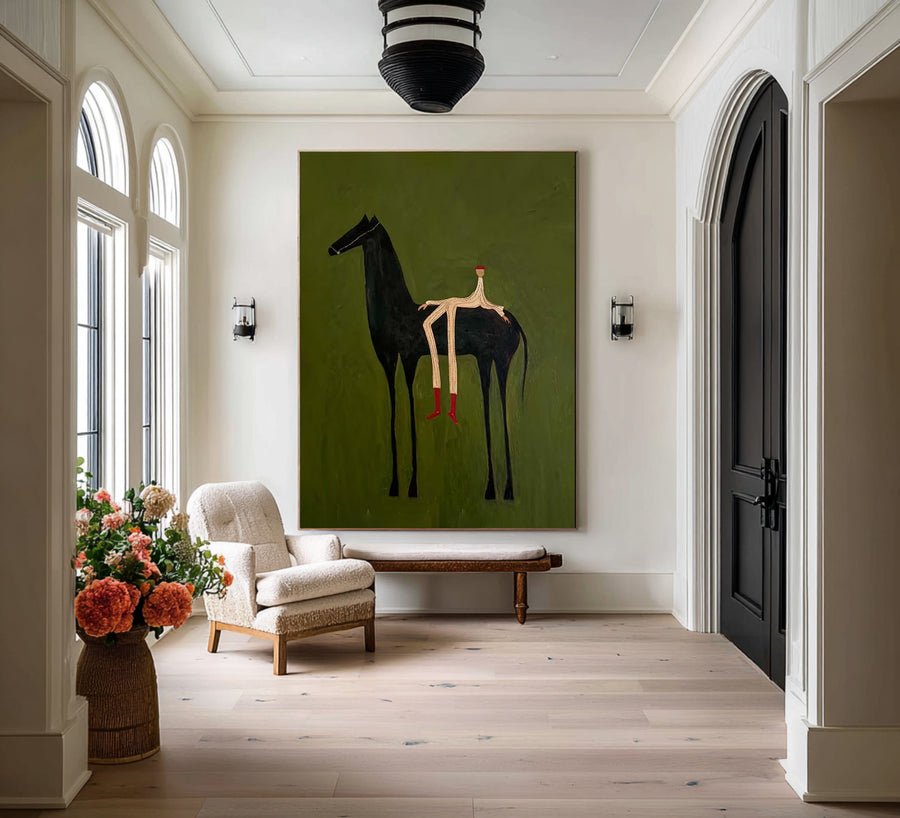
I test where the family will actually be seen
I identify the normal viewing position before deciding on a final size. A portrait beside a reading chair has a different role from one above furniture across a large room. I mark the finished outline with paper or a surface-safe method. I include the frame if one is planned. I step back to the places people actually use, rather than judging the outline only while standing against the wall.
I compare two layouts at the same outer dimensions. One may preserve a wide setting while the other brings the faces closer. I ask which version remains readable from the usual position. I also check whether furniture or a doorway interrupts the view. I do not need to recognize every tiny painted feature from the farthest corner. I need the people, relationships and chosen expression to have a clear role at the distances that matter.
I consider the wall without letting it decide everything. A large empty space can invite an oversized painting, but the group reference still needs to support that treatment. A narrow wall can suit a more compact crop if the face arrangement remains balanced. I avoid enlarging a weak photograph simply to fill the available area. I ask for a reference review and make a trade between scene, detail and size. I write that trade down so the later approval is judged against the intended display rather than against a different imagined setting.
| Decision | My check |
|---|---|
| Across-room display | I test the group from seating |
| Closer crop available | I compare it at equal size |
| Weak reference enlarged | I request a detail review |
How do I approve a size without relying on guesswork?
I can approve a preview that looks good on one screen and forget the dimensions behind it. Later corrections may come too late to change the composition.
I save the approved layout with size, orientation, crop and framing choices. I confirm the image scale and the main reference for each person. I ask how any later change affects the quote and schedule before treating approval as complete.
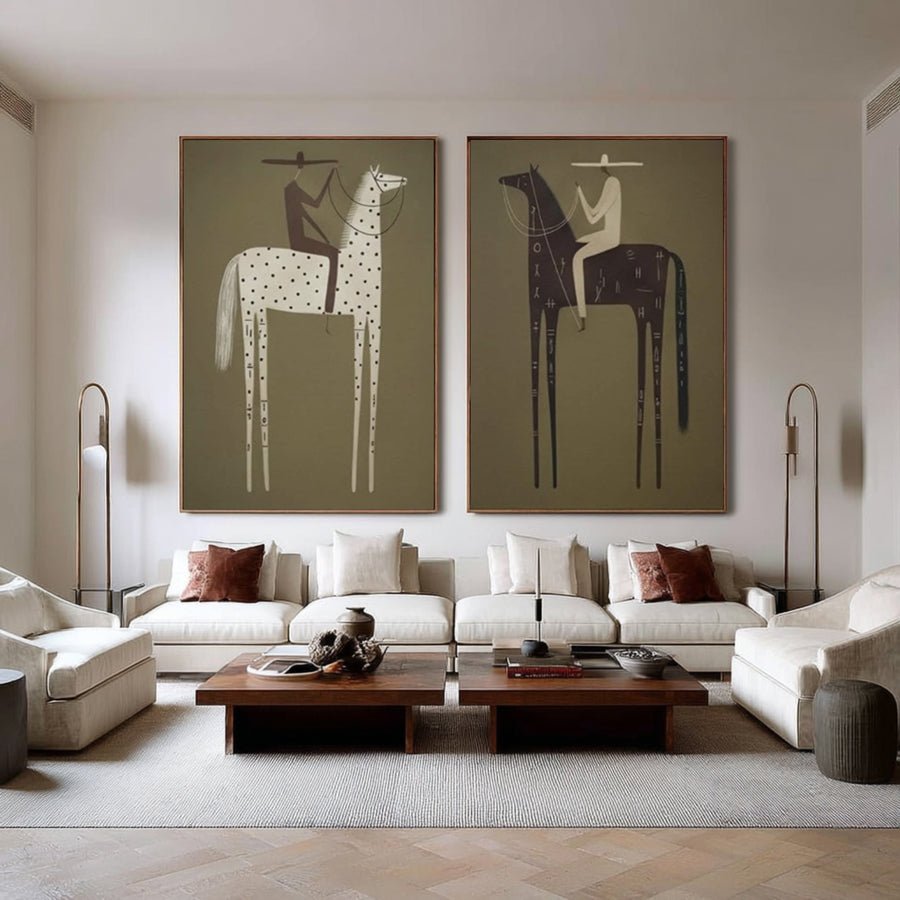
I connect the composition to a written specification
I review the preview beside a short written specification. I list the visible painting size, the orientation and the chosen format. I identify the main reference for each person, especially if the group combines different photographs. I check that no face has been stretched to fit a layout. I also inspect whether someone has been cropped differently from the approved brief. I raise those questions before the image becomes the production reference.
I check the rights needed for the source pictures. A family can possess professional photographs without owning every right in them. The Copyright Office’s photographer guidance helps me recognize that distinction.[3] I ask about the intended use and obtain any needed permission rather than assuming that a portrait order resolves it automatically. I keep the permission record with the reference set so the image selection does not become disconnected from its allowed use.
I confirm how feedback is handled at the current stage. A shift from a full group scene to close individual faces can change more than a minor detail. I ask whether that request requires a new composition, price or timeline. I do not assume unlimited changes. I save the approved version only after the layout and physical specifications agree. If I later move the painting to another room, I can reassess its placement without pretending the original size decision was made for that new viewing distance.
| Decision | My check |
|---|---|
| Approval file | I attach physical dimensions |
| Multiple references | I name the source for each person |
| Major layout change | I ask about cost and schedule |
Conclusion
I size the portrait around faces, composition and real viewing distance. I compare full-size layouts and confirm framing before approving a family scene.