How much variation should I expect in a made-to-order painting?
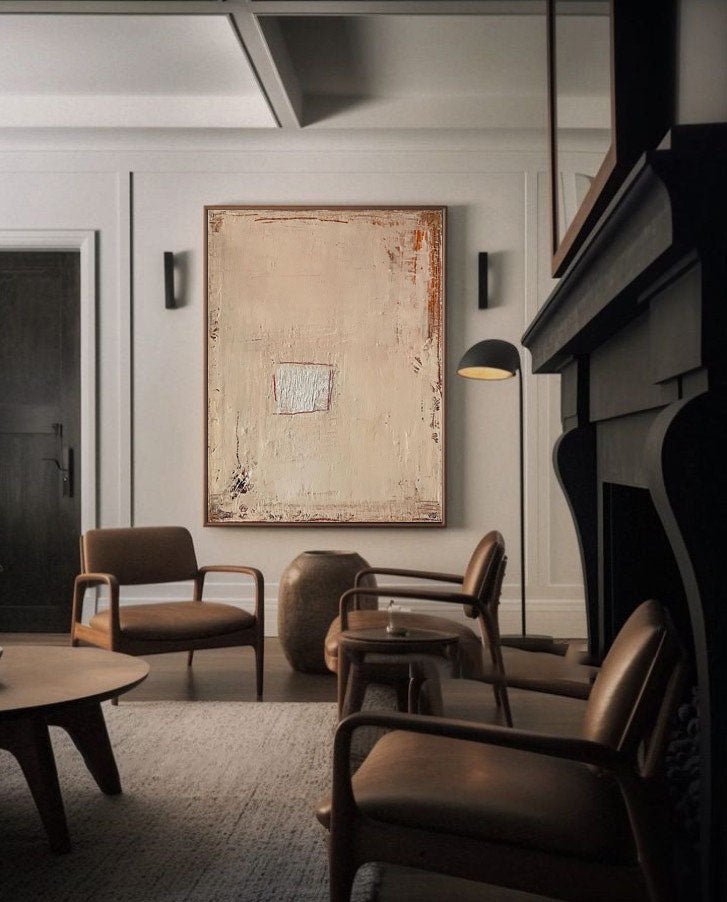
I can order a handmade painting and still expect the sample's every mark. Unspoken expectations can turn ordinary variation into a disappointing surprise.
I expect some differences in individual brushwork, but I do not use handmade as a reason to accept any change. I agree on the key composition, palette, dimensions and supplied finish, then ask which smaller details may vary.
I divide the brief into fixed choices and open choices. That makes variation easier to discuss without asking for an impossible copy of every visible stroke.
Which elements should I define before ordering?
I can describe a painting as calm or bold and still leave its essential features unclear. Broad words give me little basis for review.
I name the main shapes, color relationships, orientation, dimensions and supplied format. I identify the features that make the reference appealing and ask the seller to confirm which can be maintained.
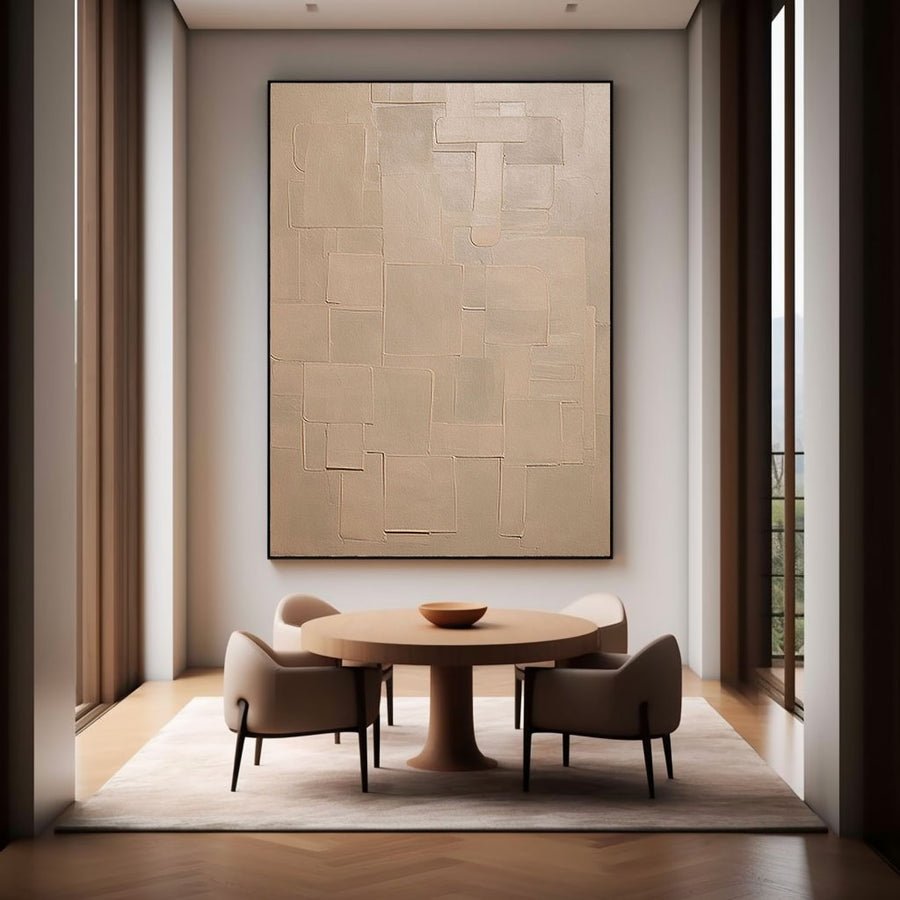
I explain why the reference works for me
I begin with the main structure rather than the smallest marks. I may like a broad light area above a darker band. I may want a central shape to sit slightly off center. I describe those relationships in ordinary words. This gives the artist a clearer brief than a list of moods that several people might interpret differently.
I then identify the colors by their role. A warm pale background and a small dark accent may matter more than an exact screen shade. I ask whether the seller can review the intended palette in an appropriate way. I do not treat a photograph on my phone as a physical color standard. Lighting and display settings can change what I see.
I fix dimensions and orientation in the same record. A narrow vertical version can require a different composition from a wide horizontal reference. I ask how that change will be handled rather than assuming that the design can simply stretch. I also state whether the requested dimensions include a frame.
Etsy's creativity standards provide background for handmade descriptions.[1] I use that background to ask about the individual order. I discuss the brief through the custom hand-painted art service and retain the response. A useful agreement names the features that matter to me while leaving room for the painter to explain what cannot be replicated exactly.
| Decision | My check |
|---|---|
| Composition | I name the main visual relationships. |
| Palette | I describe color roles and review needs. |
| Dimensions | I confirm orientation and measurement scope. |
Which differences may be part of hand painting?
I can focus on a tiny changed stroke and miss a more important shift in balance. I need a useful way to rank differences.
I distinguish individual marks from the agreed design. I may accept changes in small stroke shapes while asking questions about a major color shift, altered focal point or different supplied format. The actual brief guides that distinction.
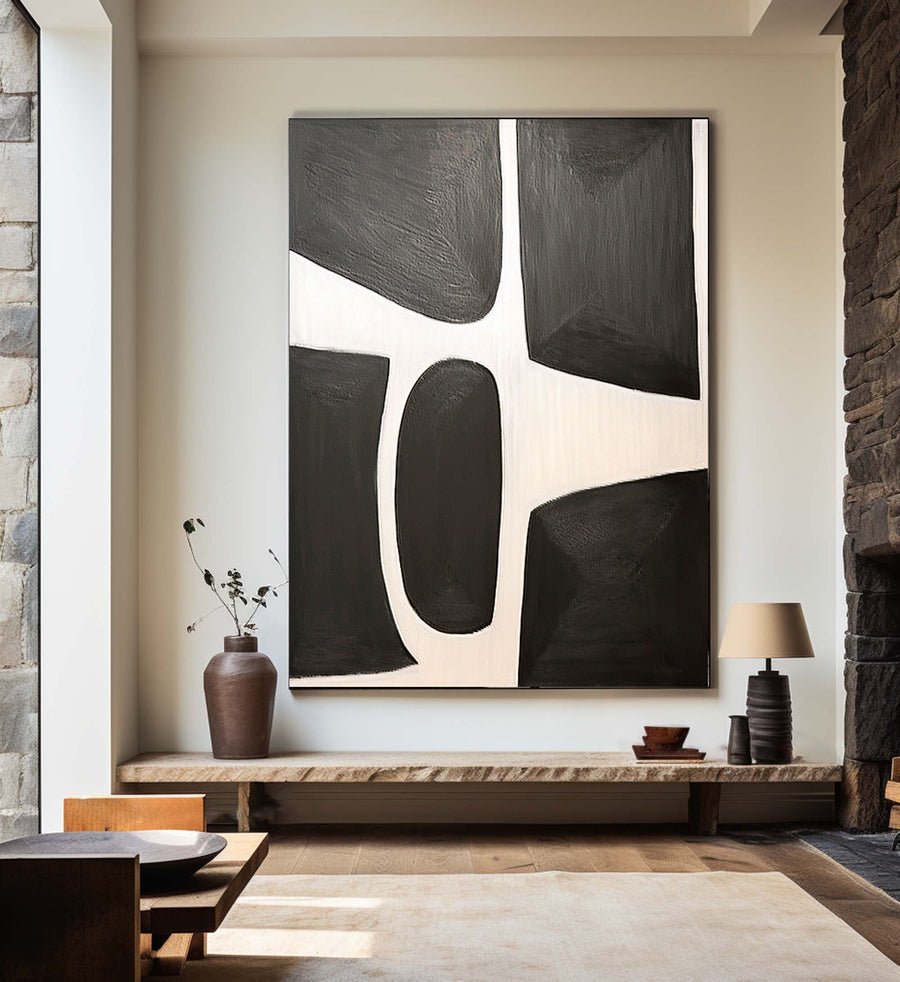
I compare changes by their effect
I first look at the full painting from the intended viewing distance. I ask whether the main balance and focal area still match the agreed direction. A close-up can reveal many individual differences that do not change the room's overall effect. I do not let that close view replace the broader comparison.
I then inspect the surface more closely. A hand-painted ridge or mark may take a slightly different path in another version. The National Gallery describes impasto as thick paint application.[2] That term helps me describe relief, but it does not set an acceptable variation rule for my order. I ask the seller to explain the surface approach used in the particular design.
I separate variation from an unanswered change. If a requested dark accent disappears or the supplied frame changes, I ask about it directly. I do not assume that the word handmade covers every departure from the brief. I also do not label a difference as a defect just because it is visible. I explain how it affects the agreed feature.
I use marked reference images carefully. A small annotation can point to a focal area or a color boundary. I avoid filling the image with so many instructions that the overall aim becomes lost. My comparison stays practical: I ask what changed, how it affects the work and whether it matches the choices we recorded. That keeps the discussion fair to both the individual making process and my purchase expectations.
| Decision | My check |
|---|---|
| Small stroke | I judge its effect on the whole work. |
| Main focal area | I compare it with the agreed brief. |
| Supplied format | I treat a change as a separate order question. |
How should I review photographs of my version?
I can receive a progress photo and mistake its lighting for a color change. A rushed review can approve a problem or reject an ordinary difference.
I ask which stage the photographs show and review them against the agreed brief. I request clear front and detail views where useful, and I separate camera effects from questions about the object.
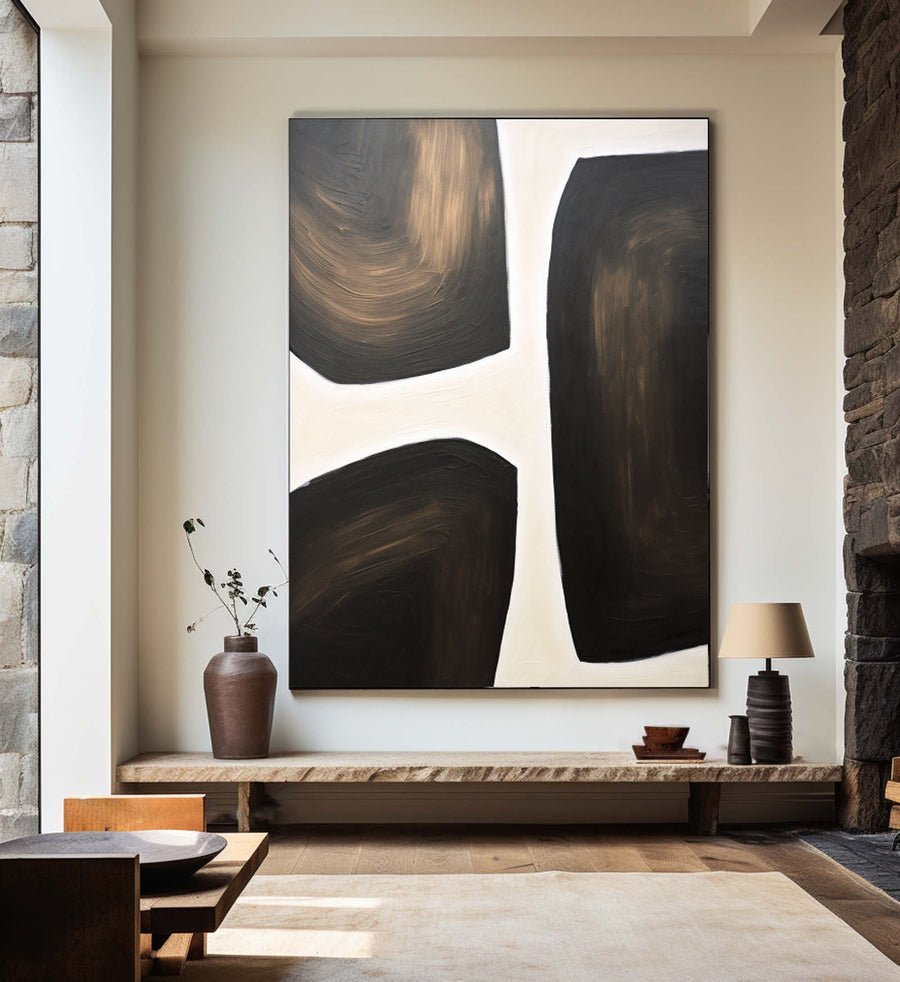
I make the review comments specific
I start by asking what stage I am seeing. A work in progress may not show the final edges, finish or frame. I do not judge missing parts as final omissions unless the seller says the work is complete. I record the image date and the stated review stage so that later photos do not become confused with earlier ones.
I compare the same features in the same order. I check composition, main color roles, orientation and supplied format before I look at minor marks. If a concern appears, I describe the area and the effect. I might say that the dark area now draws more attention than the reference. That is more useful than saying the painting feels wrong.
I ask for a different view when the evidence is unclear. A direct photograph under ordinary light may answer a question that a dramatic angled photograph cannot. I do not ask for unsafe tests or handling. The Canadian Conservation Institute's basic care guidance supports protecting painted surfaces during inspection.[3]
I ask the seller how review comments are handled at that stage. I do not presume unlimited revisions or make up a standard deadline. I use the quality-control page to frame requests for clear evidence and an accurate final description. I keep the comments short enough to identify the real decisions. A focused review lets me discuss important variation without turning every incidental mark into a separate instruction.
| Decision | My check |
|---|---|
| Photo stage | I confirm progress or final status. |
| Unclear color | I request a useful comparison view. |
| Review comment | I name the area and its effect. |
What should I do if the final result differs from my expectations?
I can become disappointed without knowing whether the work differs from the brief or from an assumption I never discussed. I need to separate those questions.
I compare the delivered work with the written brief and saved evidence. I explain specific differences, keep the relevant records and follow the actual order terms for raising concerns. I avoid assuming a universal remedy.
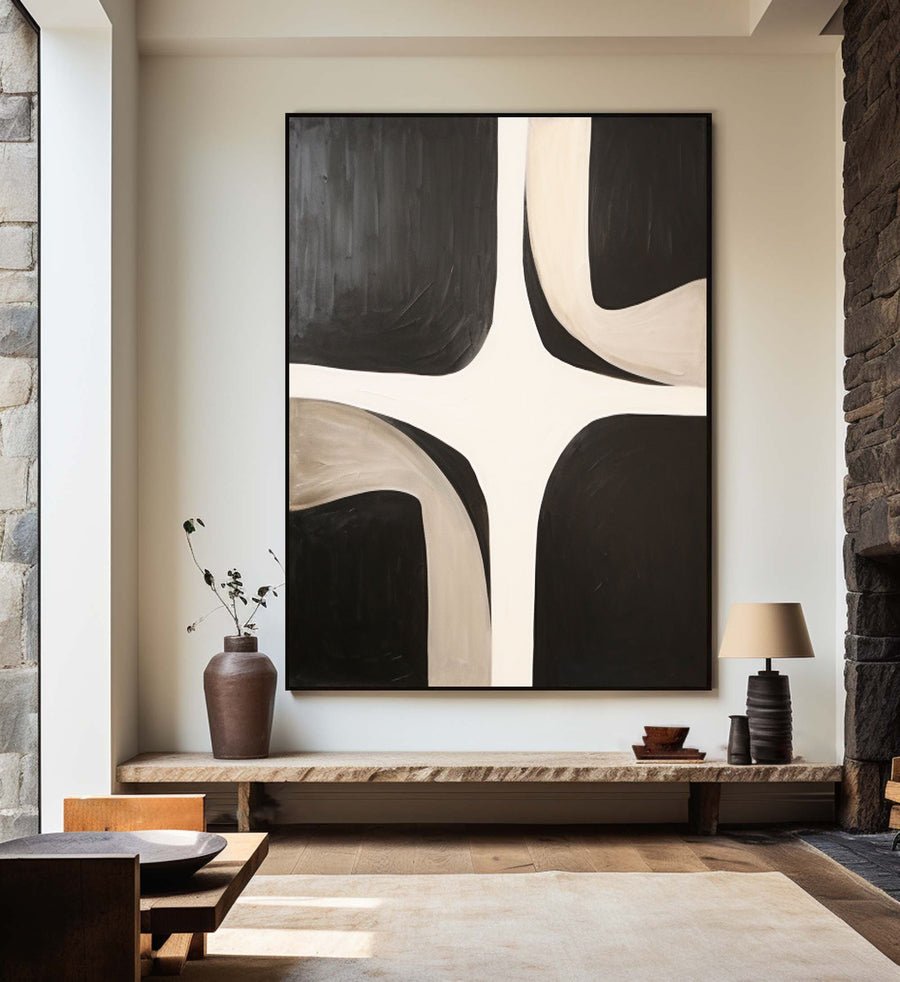
I describe the mismatch rather than the emotion alone
I begin by putting the final brief beside the object. I check whether the disagreement concerns a stated choice or an unstated expectation. A requested size has a clearer record than an assumed exact brush mark. I keep both concerns visible, but I do not present them as equally documented.
I take clear photographs without putting the painting at risk. I use a full front view to show the overall effect and a detail view to identify the concern. I keep the lighting as straightforward as I can. I avoid edits that change the color or hide the context, because they make the discussion less reliable.
I contact the seller through the route stated in the order terms. I identify the item and explain the specific issue. I attach only the most relevant evidence instead of a large set of nearly identical pictures. I ask for clarification about the difference and the available next step. I do not invent a promise about refunds, replacements or later adjustments.
I also use the experience to improve a future brief without blaming ordinary handmade variation for every mismatch. If color was critical, I need a clearer color review method. If the frame mattered, I need its finish and overall dimensions stated. My aim is a fair comparison between the object and the agreement. That makes an uncertain situation easier to discuss and gives the seller a concrete question to answer.
| Decision | My check |
|---|---|
| Written requirement | I connect the concern with the brief. |
| Unstated expectation | I acknowledge the missing discussion. |
| Next step | I follow the actual order terms. |
Conclusion
I allow individual marks while defining the choices that matter. A clear brief and focused review help me judge handmade variation fairly.