How Should I Care for Hand-Painted Wall Art After It Arrives?
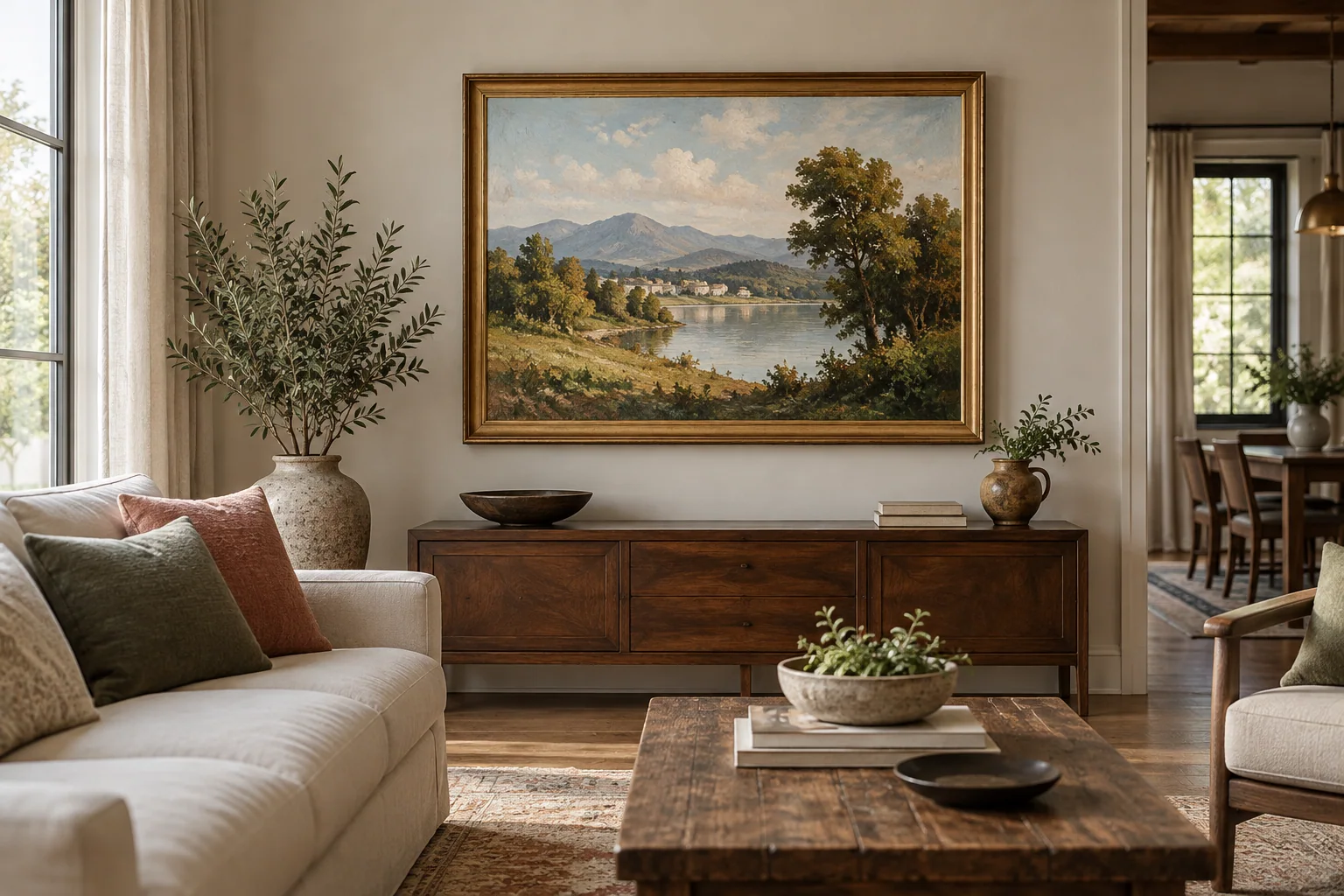
I can receive a painting and worry that one wrong touch will spoil it. Generic cleaning tips add confusion. I ask for care that matches the actual materials.
I care for hand-painted wall art by confirming its materials, following the maker's instructions, choosing stable display conditions, and handling the support rather than the paint. I avoid household cleaners and unapproved surface treatment. I ask a qualified conservator about lifting paint, persistent stickiness, or other uncertain condition problems.
I use a simple care record to make daily decisions easier. I separate normal display choices from treatment that needs the maker's guidance or a qualified specialist.
Which material and condition details should I keep with the artwork?
I can save the order number and lose the care information. Later advice then becomes guesswork. I keep a small record that identifies the actual surface and finish.
I retain the artwork reference, confirmed medium, support, finish, arrival condition views, and maker's care instructions. I ask about any missing detail before using a generic method. I keep contact information with the record so I can report a later concern accurately.
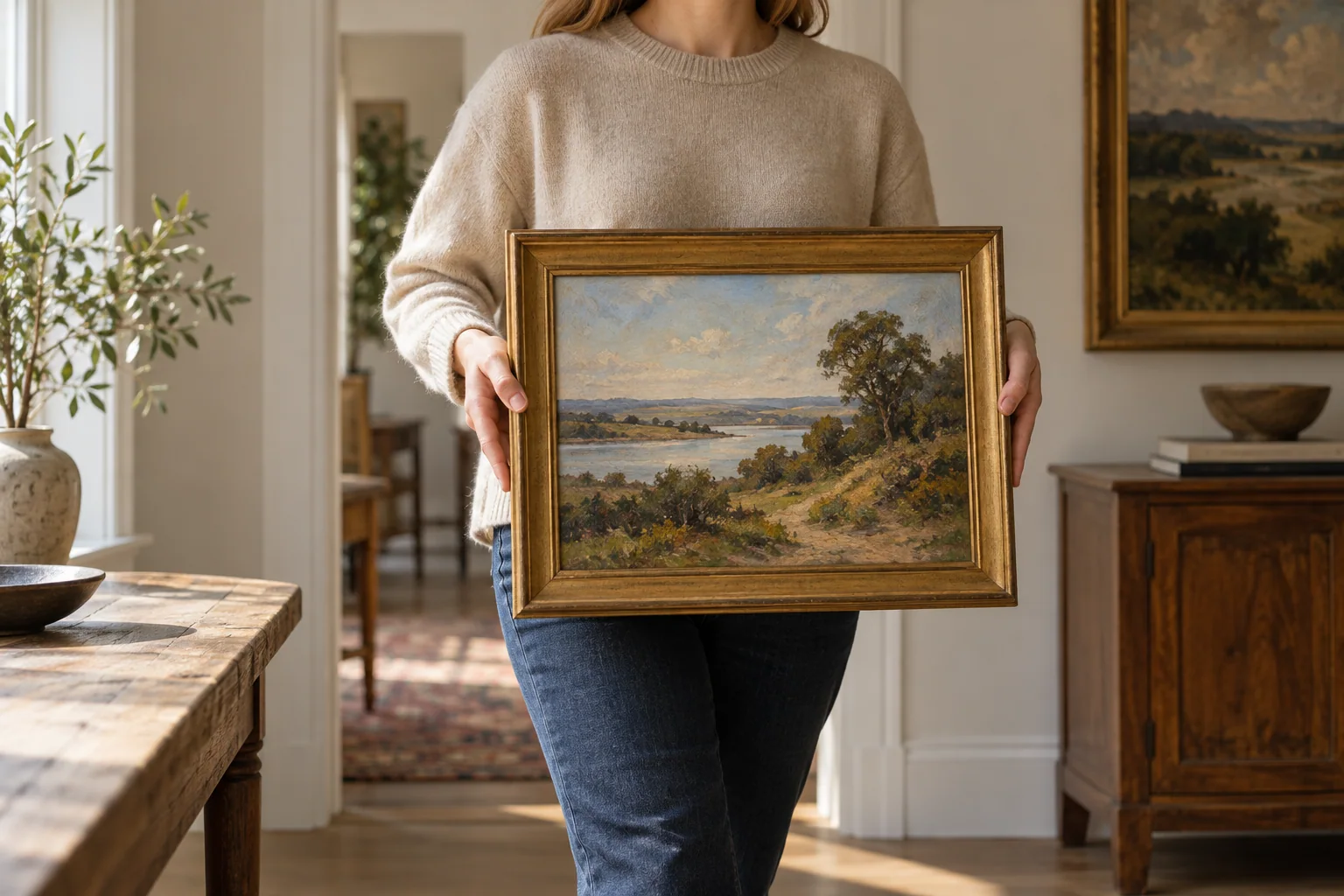
I identify the object I own
I ask which medium and support the selected work uses. I do not assume that every item in a hand-painted collection uses the same paint or canvas. I also ask whether the surface carries a separate finish and whether the frame has its own care needs. I keep those details with the artwork reference rather than relying on the listing's broad category.
I save a full view and useful details of the arrival condition. I include the frame and any visible support information. I use those images to recognize a later change, not to diagnose a conservation problem myself. I do not need to inspect the back by moving a large or fragile work when safe handling is uncertain.
I make the record easy to find
I put the written instructions, photographs, and order reference in one folder. I can also give a copy to the person responsible for a hotel room or office display. I avoid a vague instruction such as clean carefully because it does not explain which parts can be handled or what should happen when a concern appears.
| Record I retain | Use I make of it |
|---|---|
| Material and finish | I ask for relevant care guidance. |
| Arrival photographs | I compare later visible changes. |
| Order contact | I report a concern accurately. |
The Canadian Conservation Institute describes how a painting's support and materials affect its care.[1] I use that point to avoid one universal routine. I can ask XM's quality-control desk which records and instructions belong to my selected order before it leaves the supplier.
Where can I display a painting without creating avoidable risk?
I can choose the most dramatic wall and ignore heat, light, or moisture. The display choice can create a new problem. I review the room as well as the image.
I choose a stable indoor location away from harsh direct sun, heat sources, and damp conditions. I check the wall, hardware, and access with a suitable installer when needed. I follow the maker's display instructions and do not assume that every painted surface suits a bathroom or outdoor wall.
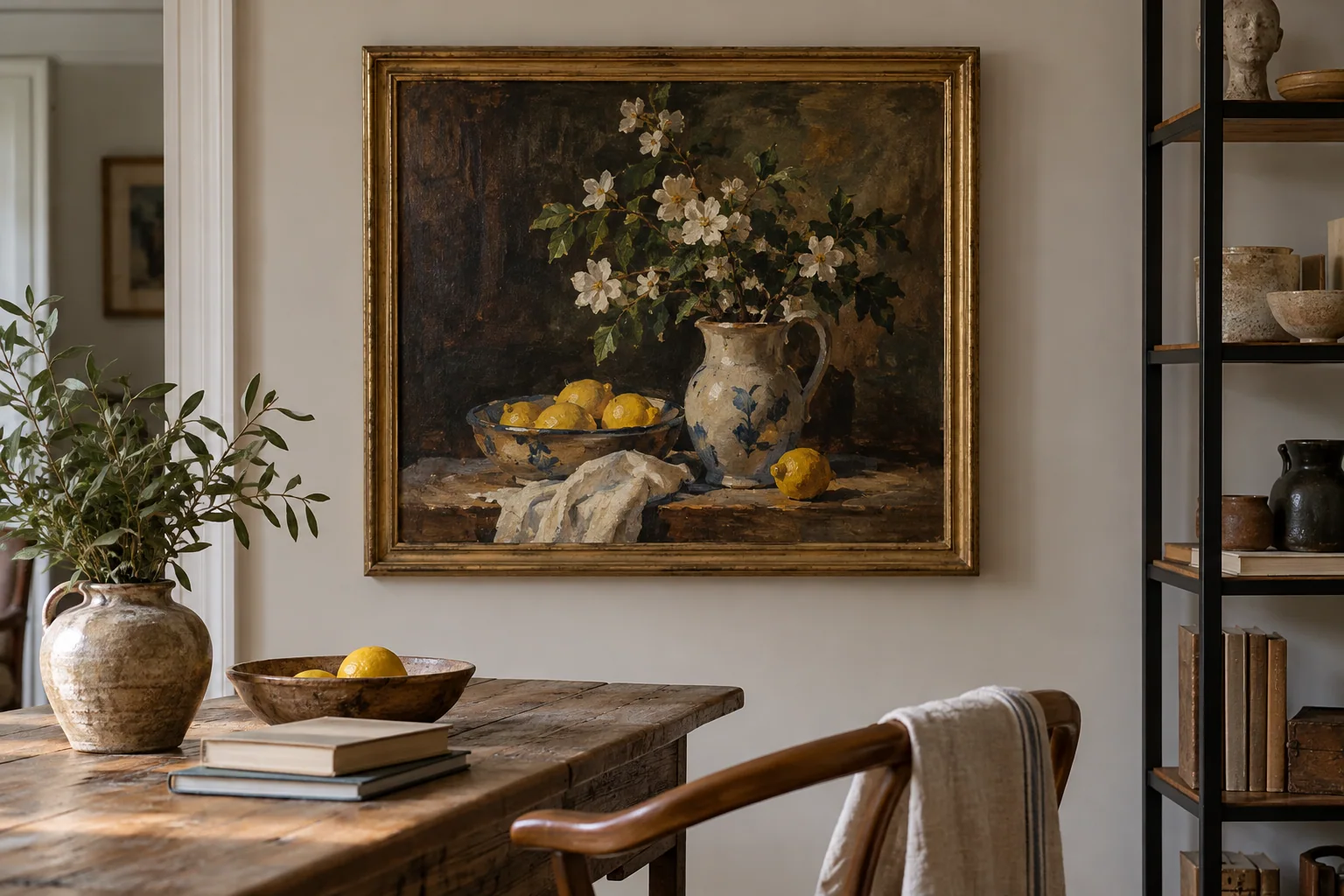
I inspect the normal room conditions
I look at the wall through the day. I note direct sun, a nearby heater, a fireplace, or a source of moisture. I do not choose a location only because it photographs well at one moment. I want the work to sit in conditions that I can maintain during normal use of the room.
I also think about the way people move nearby. A narrow corridor can expose a projecting frame to accidental contact. A low position behind a sofa can place the work close to heads or hands. I check that the display allows enough clearance without making the painting float awkwardly above the furniture.
I make installation part of care
I ask an appropriate installer to assess the wall and fixing needs for a large or heavy work. I confirm the finished dimensions and weight rather than relying on the canvas size alone. I do not assume that a hook shown in a product image suits my wall construction. I also confirm whether hanging hardware is included in the selected supply format.
| Location detail I check | Concern I reduce |
|---|---|
| Direct light and heat | I avoid an unsuitable display position. |
| Moisture and room use | I match the object to the environment. |
| Wall and hardware | I support safe installation. |
CCI's basic care guidance discusses environmental and handling concerns for paintings.[2] I use it as general context and keep the maker's specific instructions with the work. I ask for professional advice when the intended setting or the artwork's materials make the decision uncertain.
What should I do about dust, marks, or an unusual surface condition?
I can reach for a damp cloth because it works on furniture. Paint is different. I pause before cleaning and ask whether the proposed action suits the surface.
I keep household cleaners, water, solvents, and unapproved coatings away from the painted face. I follow specific maker or conservator guidance for any cleaning. I report lifting paint, persistent tackiness, unexpected marks, or strong unusual odor instead of testing the surface by rubbing or applying a home remedy.

I avoid guessing from the appearance
I do not decide that a surface is washable because it looks smooth. I also do not assume that visible texture can tolerate a brush. Raised paint, loose particles, and mixed materials can make a simple action less simple than it appears. I ask for care instructions that refer to the actual work and its condition.
I separate a mark on the frame from a mark on the paint. I can ask the maker about the frame finish without treating that answer as permission to clean the canvas. I do not apply polish, oil, varnish, or another coating because an online tip says it improves color. I want any treatment to be appropriate to the object rather than merely attractive in a short video.
I describe changes without trying to diagnose them
I take a clear photograph of a visible concern and include a wider view. I describe when I noticed it and whether the work has moved or the room conditions have changed. I avoid touching a sticky area to see how deep the problem is. I also avoid promising myself that a smell proves either a genuine painting or a harmless condition.
| Concern I notice | Response I choose |
|---|---|
| Unclear cleaning need | I ask for specific instructions. |
| Lifting or loose paint | I avoid contact and seek advice. |
| Unexpected surface change | I document it and contact the maker. |
I use XM's contact page when its project desk is my order contact. I ask whether the maker can explain the concern or whether a qualified conservator should assess it. I keep treatment decisions separate from ordinary dusting and room care.
How should I handle the artwork when I move or store it?
I can move a painting like a flat household object. An awkward grip can put pressure on the surface. I plan the route and support before lifting it.
I clear the route, arrange enough help, and use suitable support and packing for the artwork's condition and finish. I avoid touching the painted face or pressing the canvas back. I ask a qualified handler about large, fragile, or uncertain works instead of improvising a roll or stacked storage method.
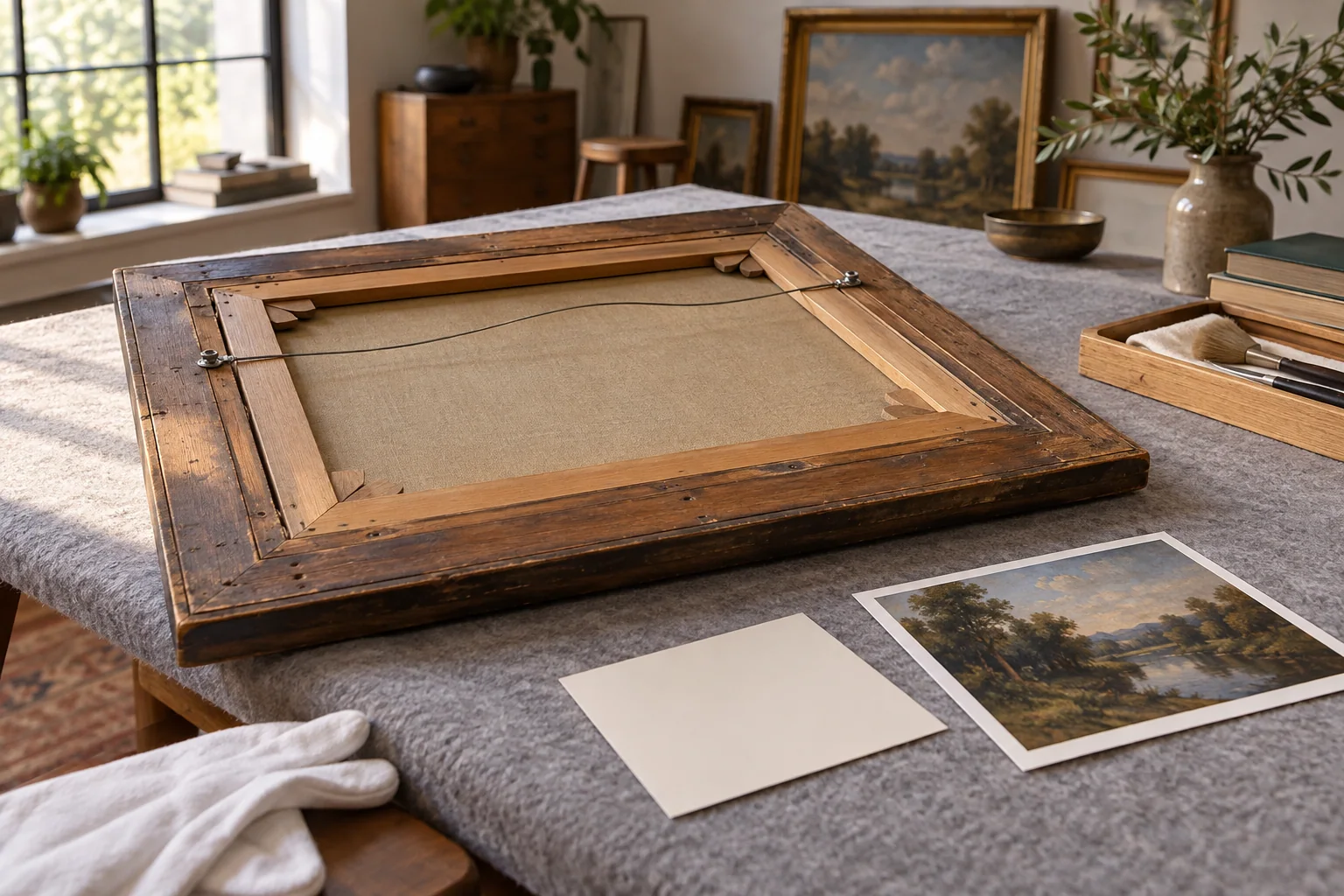
I plan before I lift
I check the doorway, turns, destination, and place where I can safely set the work down. I arrange another person or a professional handler when the size, weight, or condition calls for it. I avoid carrying other objects at the same time. I want both the painting and the route ready before the move begins.
I ask which parts provide safe support. I do not grab loose decorative frame elements or assume that a hanging wire is a carrying handle. I avoid pressing on the canvas to steady the work. I stop if I notice an unstable support or a condition concern that makes movement uncertain.
I choose storage with the same care
I do not lean an unprotected painting where another object can fall onto it. I also do not stack works face to face or roll a finished painted surface without appropriate instructions. I ask about suitable backing, spacing, and packing for the selected materials. I keep the care record available for whoever handles the move.
| Move detail I plan | Result I want |
|---|---|
| Clear route | I avoid rushed turns and obstacles. |
| Suitable support | I keep pressure away from the surface. |
| Identified destination | I avoid an improvised resting place. |
Professional handling guidance emphasizes assessing a painting before moving it.[3] I use that principle to recognize my limits. I can manage a straightforward move when the object and instructions support it. I use a specialist when the condition, size, or setting makes a simple household approach unsuitable.
Conclusion
I care for artwork by keeping its material record, choosing suitable display conditions, and avoiding guessed treatments. I ask for help when the surface or handling is uncertain.