How Can I Tell a Hand-Painted Oil Painting from a Print?
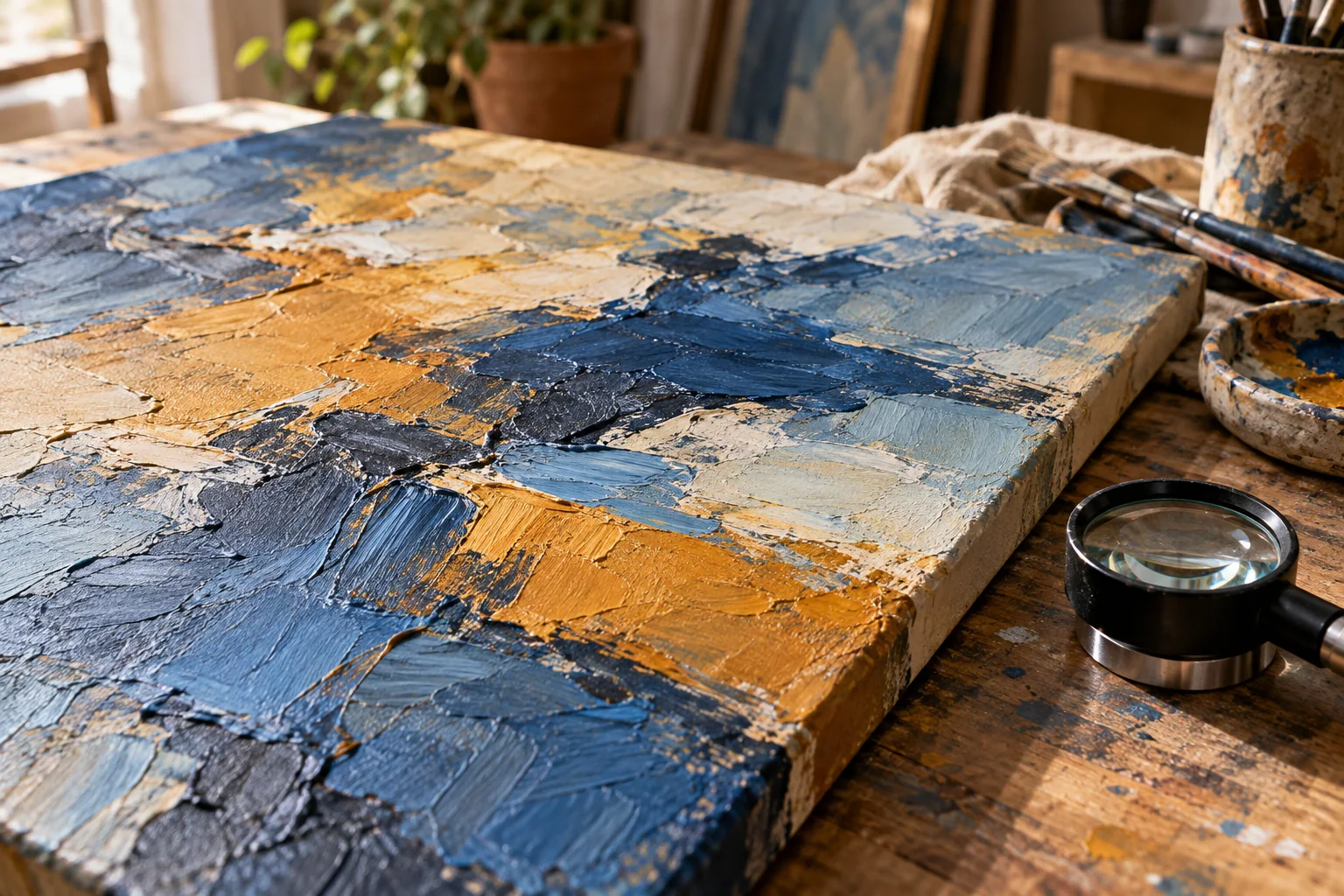
I can love a painting online and still fear buying a print. That doubt makes every detail feel suspicious. I resolve it with clear, order-specific evidence.
I distinguish hand-painted work from a print by checking the stated making method, close surface views, side-light video, canvas edges, and the actual order record. Texture alone proves little because prints can carry added paint. I ask what the artist creates and what the seller supplies.
I start with the listing, then move to evidence that belongs to the selected work. I use the following checks to make a better buying decision without treating every unusual mark as a warning.
What do the words original, hand-painted, and reproduction actually mean?
I find these labels confusing when a listing uses them together. I can misunderstand both the surface and authorship. I separate the claims before comparing prices.
I treat hand-painted as a making-method claim, original as an authorship claim, and reproduction as a relationship to another image. A reproduction can be painted by hand. A print can be textured. I ask the seller to describe each point separately.
I separate the object from the image
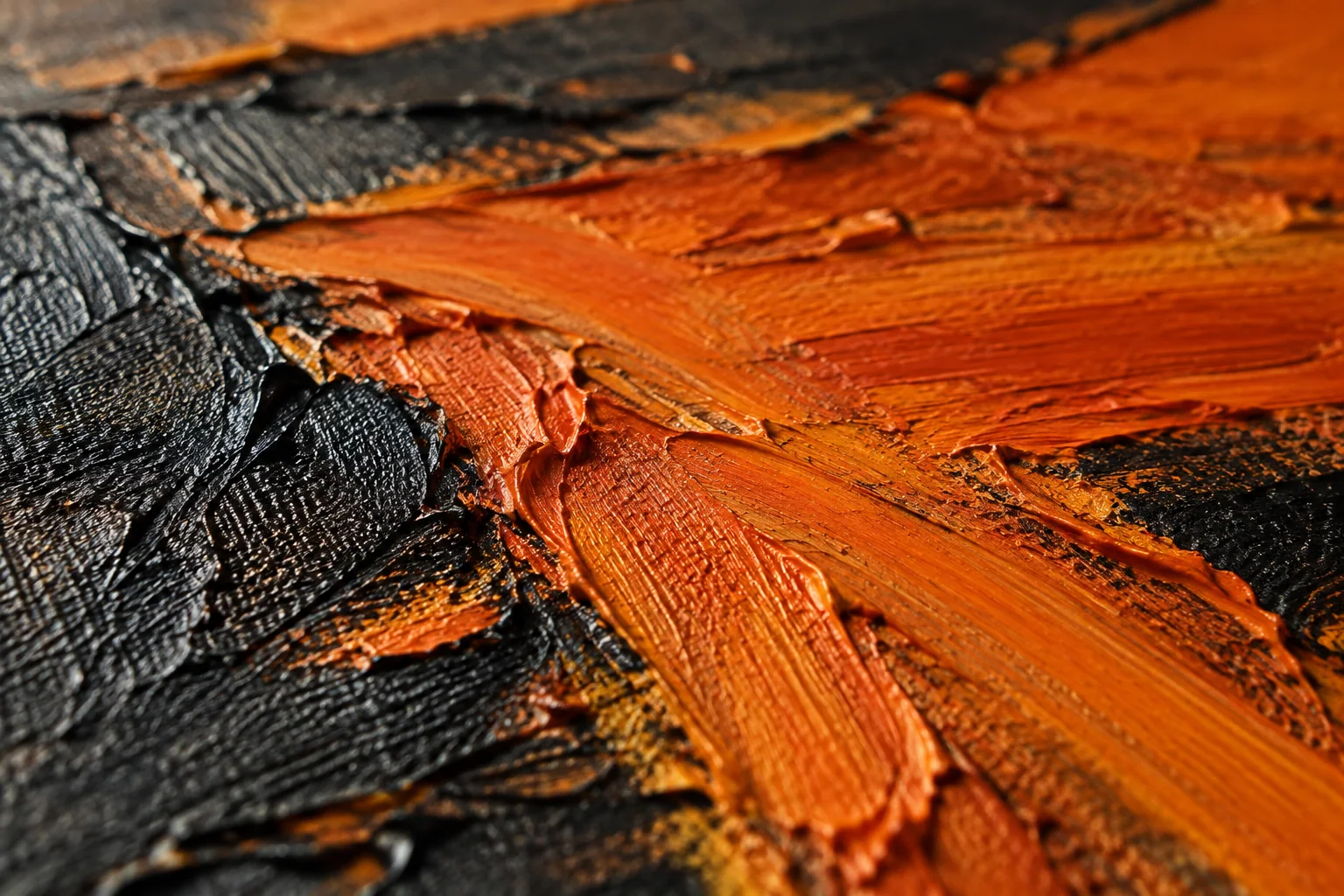
I first ask what will arrive. A paper print, a printed canvas, an artist-painted canvas, and a print with painted details are different objects. I can enjoy any of them when the description is clear. My problem starts when the description lets me assume a more costly process than the seller actually provides.
I then ask where the image comes from. An artist can make a new composition, paint a version of an existing design, or reproduce an older work. Those choices affect what the word original means. I do not use brush marks to decide whether the underlying design belongs to the painter. I keep that question separate from the physical surface.
I make the seller finish the sentence
I replace broad labels with one complete question: what parts of this artwork are made by hand, and what parts are printed or otherwise prepared? I also ask which medium the selected design uses. Oil, acrylic, and mixed textured materials are not interchangeable descriptions.
I read marketplace labels as starting points rather than proof. Etsy's creativity rules describe several ways that items can involve a seller's creative role, so the platform label does not answer every question about one painting.[1] I still need the listing and order specification.
| Claim I see | Question I ask |
|---|---|
| Hand-painted | Which parts are painted by hand? |
| Original | Who created the composition? |
| Reproduction | Which reference is being reproduced? |
I keep the answers with my quote. That record helps me compare offers fairly and gives both sides a shared description if the delivered work raises questions.
Which photographs help me judge the real painted surface?
I can mistake dramatic lighting for deep texture. A room mockup hides that gap. I ask for views that show the surface rather than only its mood.
I request a full front view, several sharp details, an angled view, and a short side-light video of the selected work or agreed sample. I compare color, edge detail, and raised marks across those views. I do not treat a generic studio video as order evidence.
I change the viewing angle
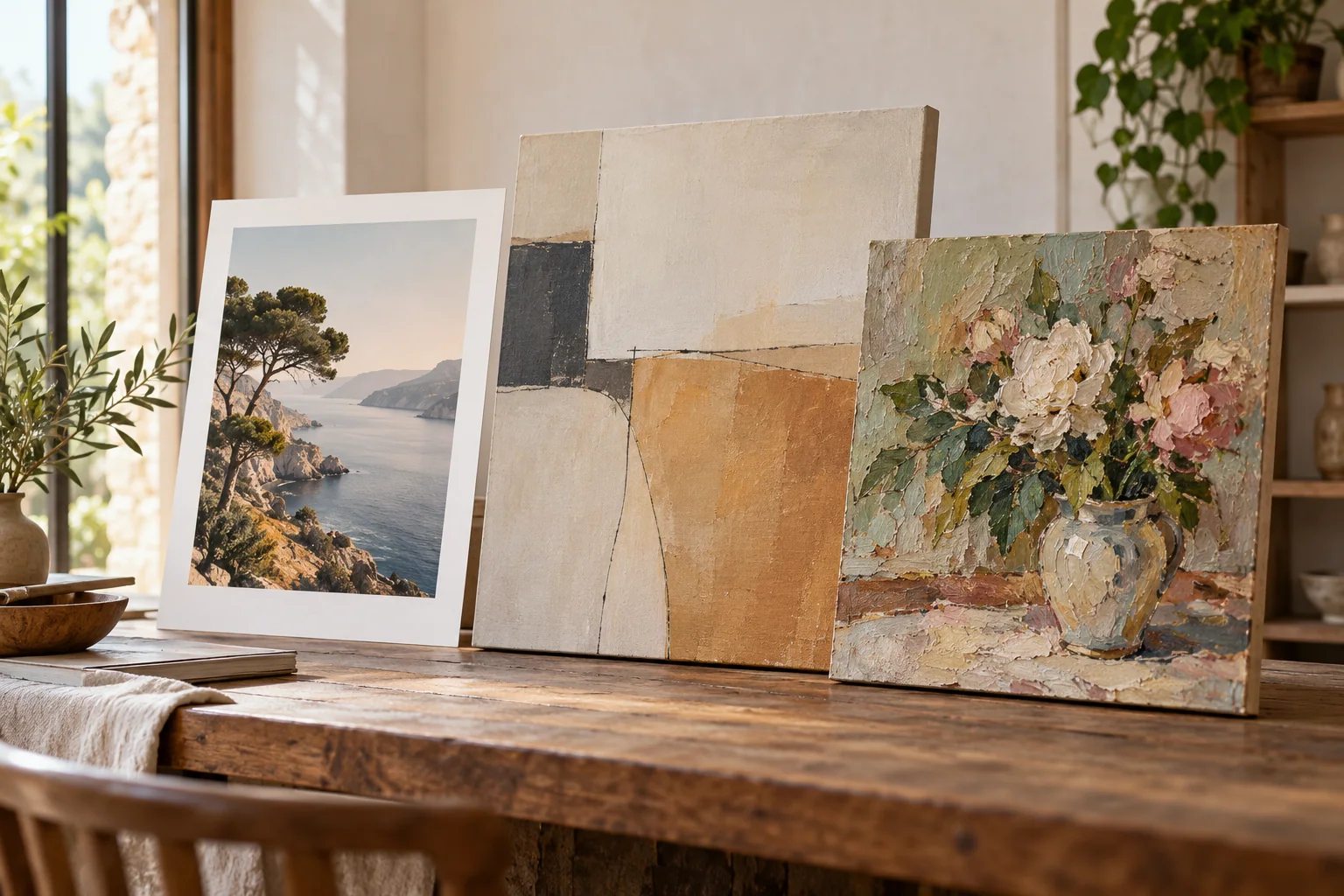
I use the front view to read the whole composition. I need that view because a striking close-up can hide weak spacing or a different crop. I then use details to inspect transitions between colors, the shape of marks, and the way the surface meets the canvas edge. I want useful scale in those photographs. A detail without any size reference can make a small ridge look much larger.
I ask for side light because raised marks cast shadows as the angle changes. I still avoid turning this into a simple pass-or-fail test. A smooth oil painting can be handmade, and a printed image can have a textured coating. I need the making-method description alongside the visual evidence.
I connect the evidence to my order
I look for the selected artwork reference, the agreed size, and the approved finish in the same conversation. I can ask the seller to show the work beside the order reference without sharing private account information. I do not require a dramatic workshop film. A clear, short record is more useful than a polished video that could show any painting.
Buyer discussions on Reddit show how easily printed bases, added paint, and painted portraits become confused.[2] I use that discussion to shape my questions, not to diagnose an unrelated seller from a screenshot.
| View I request | Decision it supports |
|---|---|
| Full front view | I check composition and crop. |
| Surface detail | I check marks and transitions. |
| Side-light video | I check relief and changing shadows. |
I can also use XM's quality-control guidance to frame an approval request. I ask which evidence is included for my chosen route before I rely on it.
How do I check the seller without relying on a certificate?
I can feel safe when a certificate looks formal. That feeling can replace real checks. I review the seller's records, communication, and terms before paying.
I check consistent artwork information, clear contact details, relevant work examples, and written order terms. I ask who creates the design and who paints the supplied piece. A certificate can record a claim, but its appearance cannot verify the claim by itself.

I look for a consistent story
I compare the listing with the quotation and the seller's replies. I want the medium, dimensions, finish, and production role to remain consistent. I pay attention when a seller changes the description from oil to acrylic, or from a unique work to a standard reproduction, without explaining the change. I give the seller a chance to clarify because an untidy listing is not automatic proof of fraud.
I also inspect examples that match my request. A beautiful abstract painting tells me little about a painter's skill with faces. A small portrait tells me little about a supplier's handling of a large multi-panel order. I ask for relevant examples rather than a long list of unrelated images.
I keep rights separate from ownership
I ask about the right to reproduce or adapt a reference when that matters to my project. The U.S. Copyright Office explains that visual works can carry copyright from their creation.[3] I use that basic point to avoid assuming that a photograph found online is free to copy. I do not turn a general blog into legal advice for every country or contract.
| Record I review | Why I keep it |
|---|---|
| Artwork reference | I identify the selected design. |
| Maker's role | I understand who does the work. |
| Written terms | I understand approval and remedies. |
I see XM's unified project desk as useful when it keeps these decisions together. I still confirm the facts for my selected order. I do not treat the existence of a project desk as a substitute for evidence.
What should I confirm before I approve production?
I can agree to a lovely image and forget the practical terms. That gap becomes costly after work begins. I write down the choices while changes remain possible.
I confirm the design reference, medium, size, crop, delivery format, approval stage, revision scope, total quote, and arrival target. I also confirm what happens if the delivered work differs from the agreed standard. I save those details before I approve production.
I define what good looks like
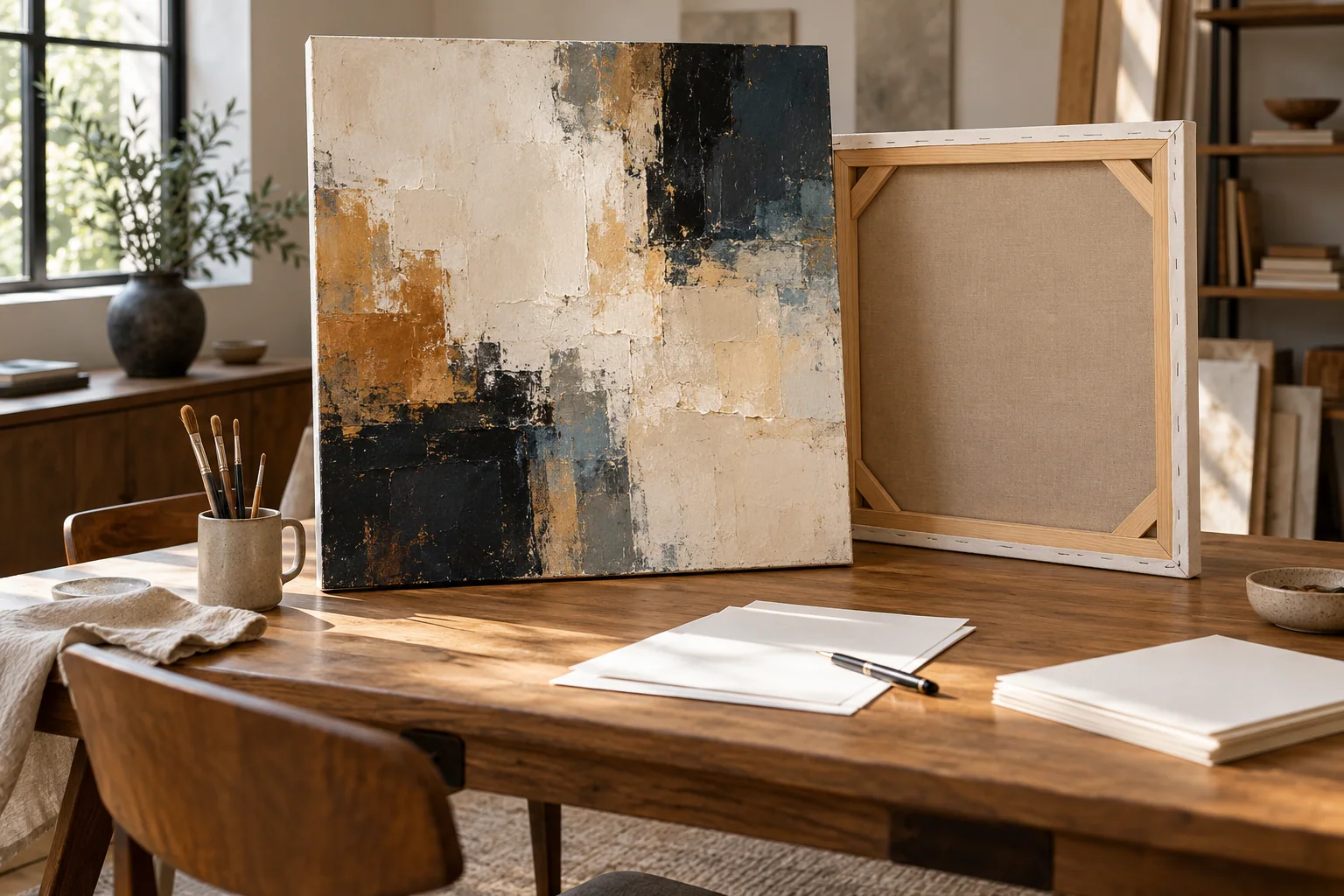
I choose a small number of points that matter most to me. I might care about a quiet blue palette, a clear horizon, and a visible painted surface. Another buyer might care about an exact portrait expression or a frame that fits an existing wall recess. I name those points before asking for approval photographs.
I also ask what natural variation means for the chosen work. Handmade marks can vary without changing the agreed composition. A major crop change or a different color family is a separate issue. I want the order to explain where variation is expected and where the approved reference remains the standard.
I connect approval to delivery
I check whether the quote covers a rolled canvas, a stretched piece, or a framed work. I ask whether the stated dimensions describe the painted area or the finished outer frame. I include local stretching or installation in my own plan when the supplied format needs it. I do not assume that an attractive room photograph shows everything included in the purchase.
| Decision I record | Detail I need |
|---|---|
| Approval | I know which stage I review. |
| Revisions | I know the scope and possible fees. |
| Delivery | I know the format and arrival target. |
I use the custom artwork brief when I need changes to a selected design. I ask for a quote that reflects those changes rather than treating every request as standard. I keep the final record, approval messages, and delivery information together so my expectations remain visible throughout the order.
Conclusion
I buy with more confidence when the making method, visual evidence, and written order agree. I choose a clear description over a convincing label.