How do I plan a large painting for a stairwell?
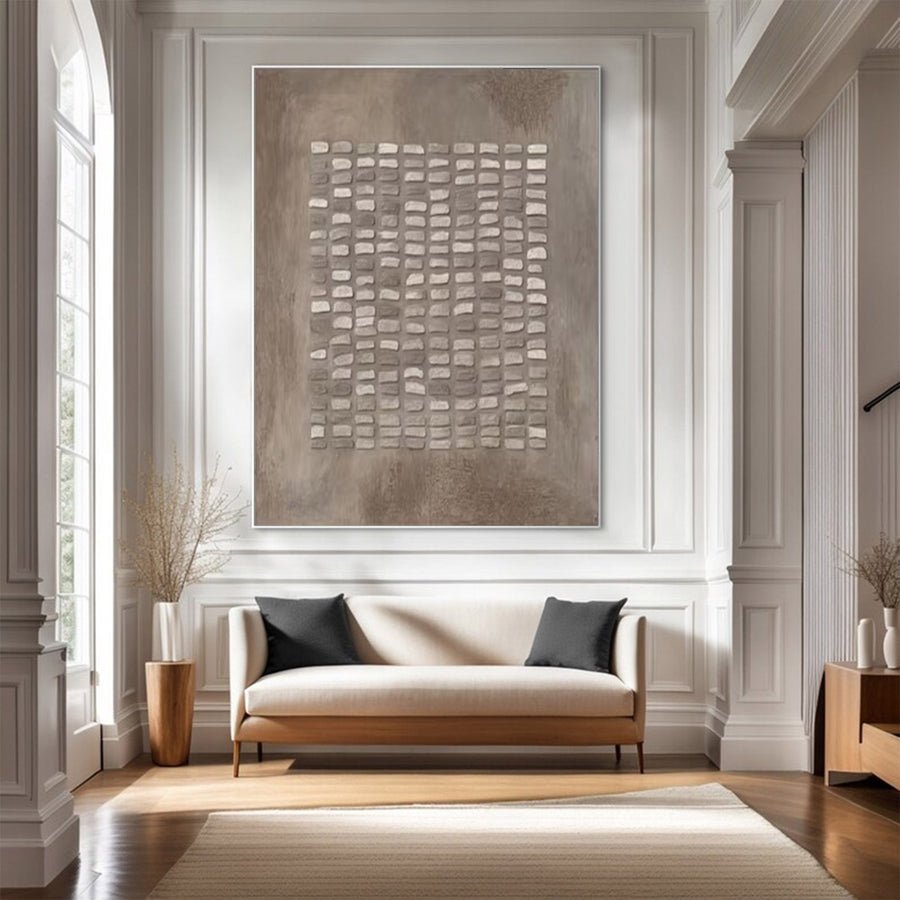
I can see a huge blank stairwell wall and choose a huge painting too quickly. Delivery turns and safe installation can change the whole plan.
I plan stairwell art around the main viewing point, delivery route and safe mounting access. I measure the full framed size and test a paper outline. I ask qualified installers to assess the wall and working height before I order.
I separate the visual choice from the access plan. A painting needs to fit the wall, reach the wall and be installed without unsafe improvisation.
Where will I actually see the stairwell painting?
I can center art on the tallest wall and barely see it while using the stairs. The viewing route matters more than the empty height.
I compare views from the lower floor, landing and normal stair route. I choose the main view before deciding on the painting position. I keep handrails, doors and safe movement clear.
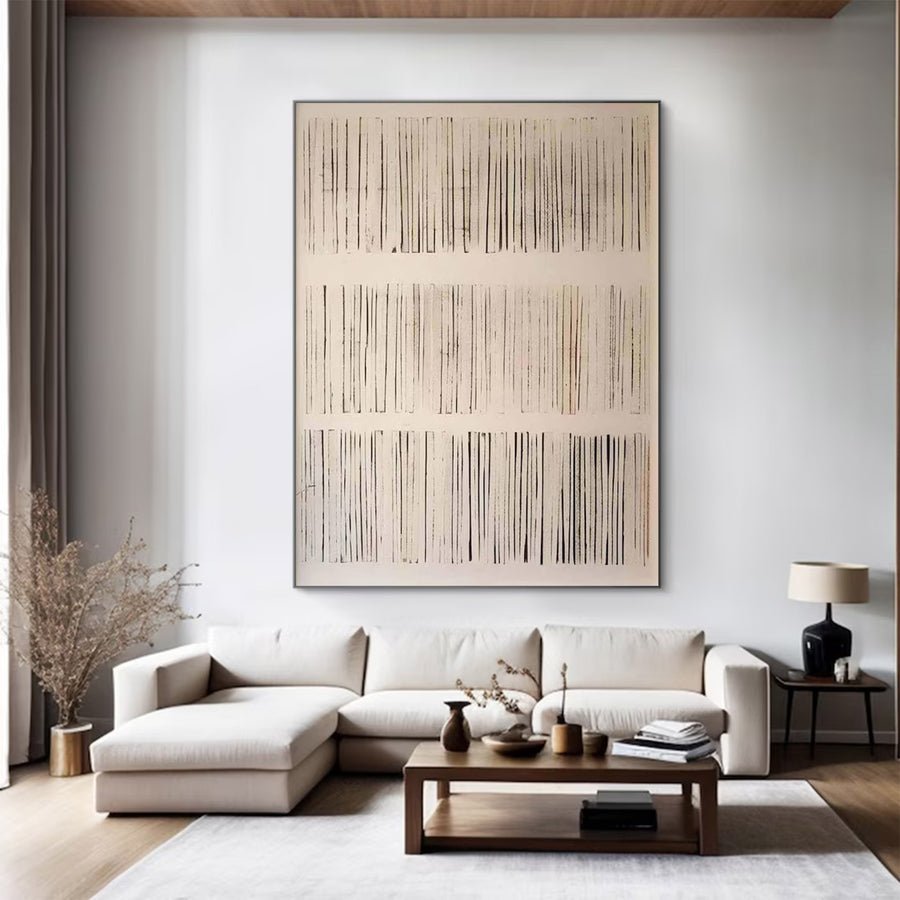
I choose a view rather than filling a void
I take photographs from the lower floor and the landing. I keep myself in a stable standing position and do not lean over rails for a better shot. The photographs show how the wall changes as I move through the space. A painting that looks centered from below may sit mostly outside the landing view.
I choose one main viewing position for the first layout. In a hypothetical two-story entrance, I might want the painting to greet people from the front door. In another home, I might prefer a clear view from the upstairs landing. I do not need every position to show the work in exactly the same way.
I mark the wall outline and the handrail on a drawing. I include door frames and light fittings. These features often help establish a useful visual center. I avoid choosing the wall midpoint simply because the measurements are easy to divide.
I also check the artwork composition. A broad landscape may become hard to read from a sharp upward angle. A simple abstract piece may remain clear, but I still want to see its important details. I use a rough image inside the paper outline to test this difference.
I can discuss the measured space through the custom art service. I send wide views rather than a cropped wall photo. That makes the brief about the actual stairwell instead of an isolated rectangle.
| Decision | My check |
|---|---|
| Lower floor | I check the first clear view of the artwork. |
| Landing | I check whether the main image remains visible. |
| Stair route | I keep rails and movement free of obstruction. |
Can the finished painting reach the stairwell wall?
I can measure the final wall and forget the tight turn below it. A large framed canvas needs a route as well as a destination.
I measure doors, corridors, landings and turns along the delivery route. I confirm the packed and finished dimensions. I discuss large or awkward access with the delivery and installation team before choosing the final format.

I trace the complete route
I start at the building entrance and follow the route to the wall. I note doorway openings, low ceilings, rail positions and narrow turns. A straight corridor measurement is not enough when a large rigid frame must turn onto a landing. I record photographs and dimensions at those points.
I ask for the packing dimensions, not only the artwork dimensions. Protective packing can make a package wider and deeper. I also ask which parts of the route the delivery service will cover. I do not assume that a general delivery description includes carrying a large piece upstairs or installing it.
I think about the finished support. A rolled canvas, a stretched canvas and a framed painting create different access problems. They also involve different preparation after arrival. I discuss those differences with the supplier and a qualified framer rather than choosing the format only because it looks easy to carry.
I keep handling advice in mind.[1] A large work should not become a casual two-person experiment on a narrow staircase. I do not suggest bending a frame, removing unknown parts or resting the painted face against a rail to make a turn.
I write down any access limits in the order brief. If the preferred size cannot follow a safe route, I consider a smaller piece or a planned multi-panel composition. I choose that change before ordering rather than treating it as an emergency solution on delivery day.
| Decision | My check |
|---|---|
| Package size | I confirm protective packing dimensions. |
| Tight turns | I record landing and corridor restrictions. |
| Delivery scope | I ask who carries and who installs the artwork. |
How do I test the size without working at a dangerous height?
I can want a full-size wall trial and reach for an unsuitable ladder. A size decision does not justify unsafe access.
I use measured photographs and accessible reference marks for early trials. I ask installers to place high templates when needed. I do not climb or lean into unsafe positions to test an artwork layout.
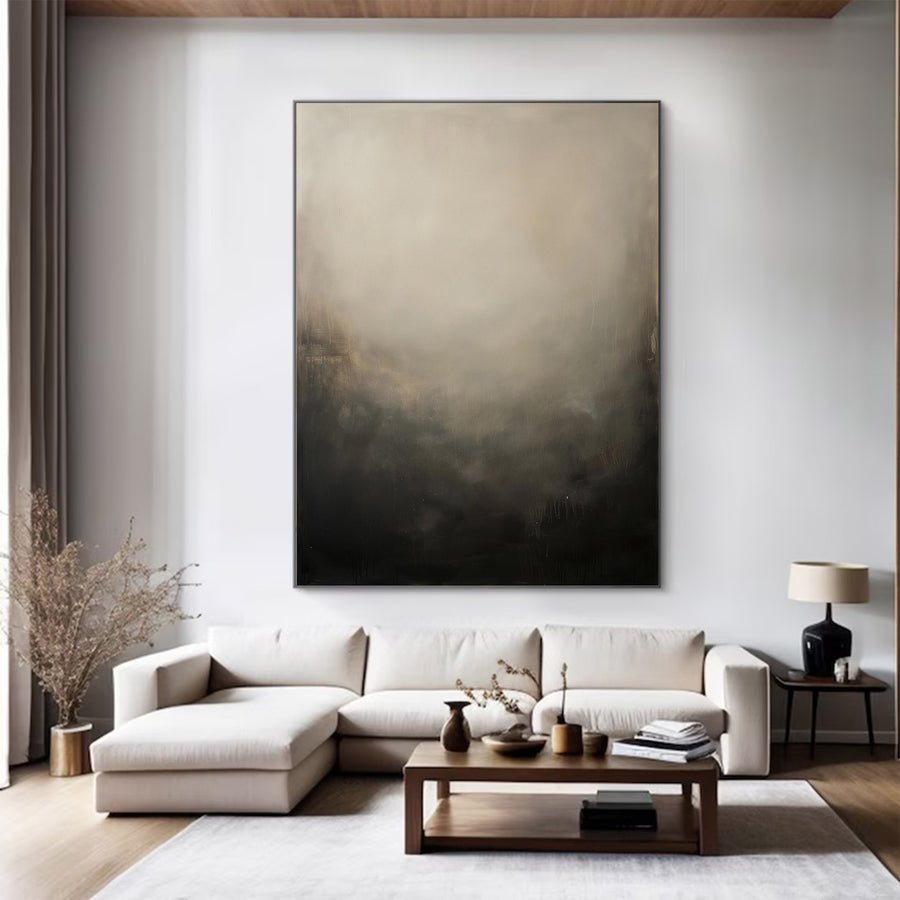
I use a measured mockup first
I photograph the wall from the main viewing position. I include one feature with a known measurement, such as a verified door opening or an accessible wall section. I use that reference to make a rough scale mockup. I understand that perspective can distort the image, so I treat this as an early comparison rather than an installation drawing.
I compare two realistic artwork sizes. I include the full frame border and the nearby light fittings. I look at the mockups on the same screen and at the same scale. This helps me see whether the larger option improves the view or simply fills more of the wall.
I ask for help when a physical template needs to sit above safe reach. A qualified installer can decide how to access the area. I do not stand on stairs with improvised supports or ask a family member to hold a ladder in an unsuitable position. The art layout can wait until there is a safe plan.
I confirm the outer frame measurements before the final template. Framing can change the footprint and weight.[3] I keep both in the same record so the installer does not work from a bare canvas mockup while the order includes a heavier finished frame.
I also consider the distance from which I will see the work. A smaller detailed image may lose its subject from below. A larger simple composition may read clearly without using the full wall height.
| Decision | My check |
|---|---|
| Early mockup | I use a known measurement and note perspective limits. |
| High template | I ask the installer to handle access. |
| Final size | I include the full frame border and weight. |
What should I confirm before installation day?
I can arrange delivery and assume hanging is a simple final step. A tall stairwell needs its own installation assessment.
I confirm artwork weight, wall construction, hardware, working access and the agreed position. I also check nearby heat and light. I let qualified professionals choose a safe installation method for the specific site.
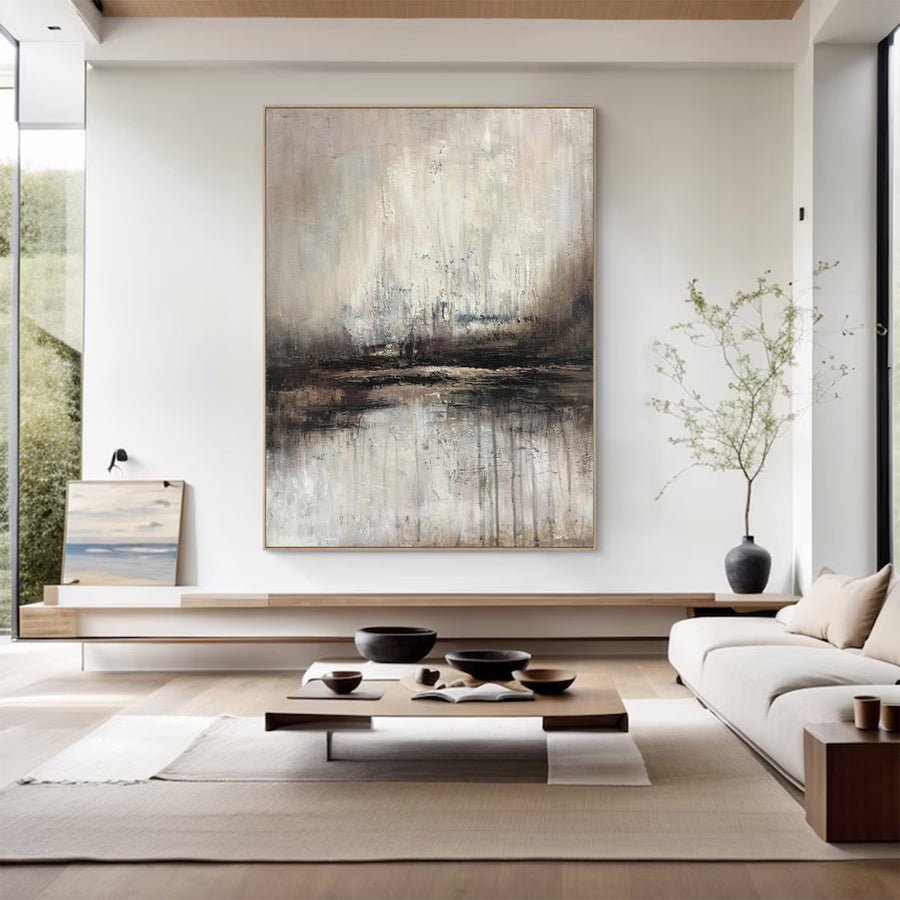
I put practical details in one brief
I prepare a short installation brief with the room photographs and the approved layout. I include the full dimensions, depth, weight and mounting information supplied for the artwork. I also note the building access and any restrictions on working hours if the stairwell is shared.
I ask the installer to assess the wall construction. The visible finish does not show what can safely support the painting. I do not recommend a generic fixing for masonry, plasterboard and other wall types. The installer needs the real conditions and the artwork load.
I check nearby light and heat sources. A stairwell may receive strong light from a high window that is easy to miss in an evening visit. It may also sit near a heating outlet. Display guidance offers useful background on these risks.[2] I use it to ask questions, not to promise that a particular location will preserve every painting.
I agree on the final position before the installer starts. I identify the frame corners or center on a drawing and keep the chosen viewing point clear. I do not rely on instructions such as slightly higher when people are working at a difficult height.
For a commercial entrance, I can discuss coordination through the hospitality art service. I still request a site-specific installation plan. A decorative brief and a safe mounting assessment serve different purposes, and I need both.
| Decision | My check |
|---|---|
| Wall support | I request a site-specific assessment. |
| Environment | I check windows and heating outlets. |
| Position | I approve measured placement before high-level work. |
Conclusion
I plan stairwell art around the view, access route and safe installation. I confirm the finished size and practical site details before placing the order.