How do I give a memorial portrait with care and sensitivity?
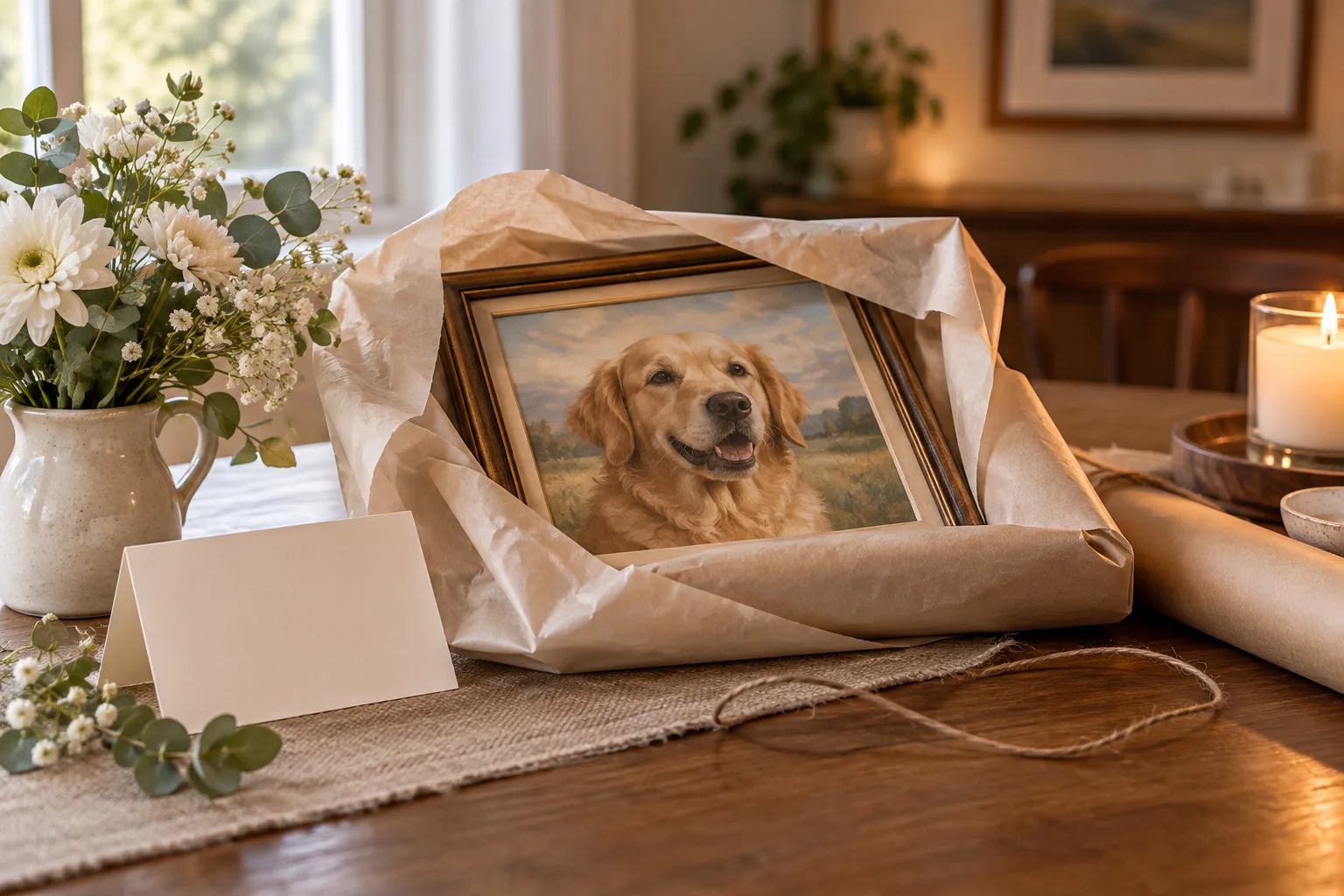
I want a memorial portrait to show care, but a surprise can feel too personal. The wrong image or timing may add pressure instead of comfort.
I ask gently whether a painted memorial would be welcome, then let the recipient guide the image and timing. I avoid promising an emotional outcome. I keep the reference private and offer choices about display, size and delivery without requiring an immediate decision.
I treat the gift as an invitation, not a deadline for someone else’s feelings. I plan the consent, reference and handover before choosing the finished format.
Should I ask before giving a memorial portrait?
I can imagine a portrait will be welcome and skip the conversation. A public surprise may leave the recipient little room to respond honestly.
I usually ask before commissioning a personal memorial image. I offer the idea quietly and make declining easy. I avoid framing the painting as a way to heal or move on, and I do not require the recipient to explain their choice.
I make room for a genuine choice
I consider how personal the proposed subject is. A portrait of a loved person or pet can carry more emotional weight than a general decorative gift. I do not assume that my affection for the idea tells me how the recipient will feel. I can say that I have been considering a painted portrait and ask whether they would like to explore it. I keep the invitation simple and avoid placing an order first as a way to make acceptance harder.
I give the recipient time to answer. I do not ask in front of a group or tie the decision to an approaching event unless they have asked for that plan. I can offer to revisit the idea later or leave it there. I avoid language that suggests the painting will produce a particular feeling. The recipient may value a portrait, prefer photographs or want no new memorial object. I treat each response as a valid preference rather than a problem the gift must solve.
I read community requests as evidence of individual needs, not a universal guide to grief. A pet memorial request shows that some people actively seek this kind of artwork.[1] A family commission request shows that others want a new composition from separate photographs.[2] I use those examples to ask better questions. I do not use them to predict what someone close to me should want.
| Decision | My check |
|---|---|
| Personal memorial | I ask privately |
| Uncertain response | I allow time |
| Gift declined | I accept the preference |
How do I choose a photograph without taking over?
I can select my favorite photo while the recipient remembers a different expression. A beautiful reference may still represent the wrong moment for them.
I invite the recipient to choose the main image or approve a small shortlist. I ask which expression and details matter. I keep any background changes modest and discuss them first, especially when the photograph has personal meaning beyond the face.
I let the memory guide the reference
I make a small shortlist only if that help is welcome. I explain what each photo offers for a painting, such as a clear face or a natural pose. I avoid choosing solely on sharpness. A less polished image may hold the expression or setting the recipient values most. I ask what should stay recognizable and what can be simplified. I do not add symbols, dates or other memorial details without checking that they belong in the recipient’s vision.
I separate technical questions from personal ones. The artist can review whether a photo supports the requested detail. The recipient decides which moment matters. If those needs conflict, I ask about a closer crop, a supporting reference or a looser painting style. I do not quietly replace a meaningful image with a more convenient one. I also avoid joining separate people or pets into a new scene without discussing the meaning of that change.
I use the photo painting preview to compare layout only when the recipient wants to take part. I explain that the preview is a photo-based composition and frame illustration, not proof of final brushwork. I check permission for source photographs made by someone else.[3] I keep the reference files private and label the approved choice. That lets the later custom painting brief follow the recipient’s decisions rather than my own assumptions about the memory.
| Decision | My check |
|---|---|
| Several meaningful photos | I offer a small shortlist |
| Background change | I ask before altering it |
| Preview shared | I explain its limits |
How should I choose the size and display format?
I can choose a large statement piece that the recipient has no place to hang. A thoughtful image can become an unwanted display obligation.
I ask whether the recipient wants a wall painting, a smaller private display or time to decide. I compare the finished outer dimensions and framing route with their available space. I avoid treating a larger canvas as a measure of care.
I match the object to the recipient’s home
I ask about the intended place without demanding a room tour. The recipient may want the portrait in a quiet room, on a smaller wall or stored safely until they feel ready to display it. I consider those possibilities before ordering an oversized canvas. I do not assume that public visibility gives the gift more meaning. A modest work can fit a private setting better, and the recipient can choose how much space it occupies in daily life.
I discuss the physical format in clear terms. A rolled canvas requires later assembly. A stretched or framed work has a different size and handling path. I ask what the quoted dimensions describe and whether the selected frame changes the outside measurements. I confirm the actual options with the supplier instead of promising the recipient a format that has not been offered. If the recipient already uses a local framer, I can involve that person before approving the size.
I make the practical choices easy to understand but leave room for preference. I can show two size outlines rather than a long list of measurements. I can ask whether a restrained frame or a simpler canvas edge feels more suitable. I avoid adding a dedication on the front without permission. I also decide whether the gift should include a private note separate from the artwork. That keeps the painting from carrying words the recipient may not want visible every day.
| Decision | My check |
|---|---|
| No clear display place | I ask before choosing size |
| Rolled format | I discuss later framing |
| Written dedication | I request permission |
How do I plan the handover without creating pressure?
I can build a ceremony around the gift and make the recipient perform a reaction. That public moment may matter more to me than to them.
I choose a quiet handover and ask about timing. I explain the practical care and display choices without demanding an immediate response. I avoid posting the recipient or painting publicly without permission, and I allow them to decide when or whether to display it.
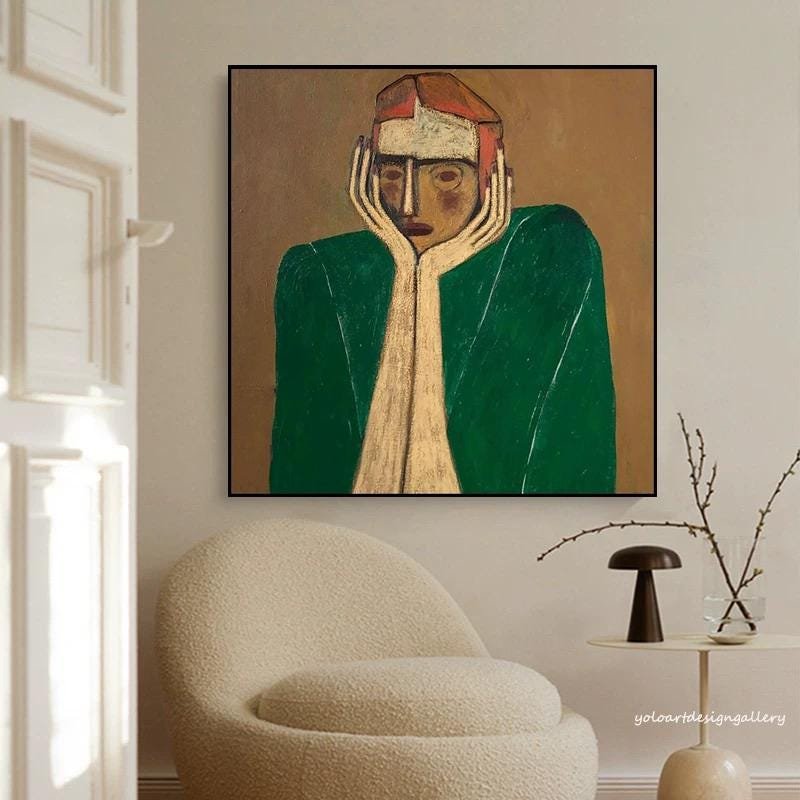
I leave control with the recipient
I ask whether the recipient wants delivery at home, a private exchange or another arrangement. I avoid treating a memorial date as an automatic deadline. A supplier’s production and shipping schedule may also make exact timing uncertain. I ask for the current order stages and plan a buffer rather than promising a particular arrival day. If the painting will not be ready, I can discuss the idea without giving an unfinished surprise a false completion date.
I keep the handover simple. I can explain why I offered the portrait and say that there is no need to decide its display immediately. I do not wait for a public reaction or invite other people to judge the gift. I also avoid asking whether it looks exactly like the person or pet in that moment. A recipient can need time with a personal image before forming an opinion. I can share the approval record and supplier contact later if that information is useful.
I ask before taking or publishing photographs of the gift and recipient. Permission to receive a portrait does not automatically mean permission to share the occasion online. I keep practical information available, including the format, hanging requirements and supplied care instructions. I let the recipient choose where those records live. I do not turn gratitude into a requirement or insist the painting occupy a particular wall. The gift remains a choice in their home rather than an ongoing request to reassure me that I chose well.
| Decision | My check |
|---|---|
| Sensitive timing | I ask what feels suitable |
| Public photo | I seek separate permission |
| Display undecided | I leave the decision open |
Conclusion
I let the recipient guide the image and timing. I keep the gift private, avoid pressure, and choose a portrait that respects their own way of remembering.