How do I prepare paintings for a house move?
I can plan a house move around furniture and leave paintings until the last minute. Rushed handling and unclear packing can put the objects at risk.
I inventory the paintings, document condition, plan suitable handling and ask the mover or a qualified specialist about object-specific packing. I keep each work identified through the move and prepare a safe receiving space before unpacking.
I treat paintings as a separate part of the move. Their sizes, surfaces, frames and condition need a plan that does more than reserve space in a truck.
What should I record before moving day?
I can unpack a mark and be unsure whether it was already there. A simple starting record makes later questions easier to discuss.
I list each painting, its dimensions, supplied frame and known concerns. I take clear dated photographs and connect them with a stable item reference before packing begins.
I build an inventory that travels with the work
I give each painting a clear reference. I use that reference on the inventory, photographs and any approved packing documentation. I do not rely on room names alone because the destination may use different rooms. A stable reference helps everyone identify the same work even when the layout changes.
I record the overall dimensions and any available weight information. I note the frame, canvas depth and known vulnerable features. A textured surface or loose part deserves a specific question before packing. I do not try to repair a concern to make the object easier to move. I ask for suitable advice first.
I take a full front photograph and details of known marks or damage. The Canadian Conservation Institute's guidance for paintings before travel supports assessing the object and planning the move.[1] I use that background to document what I can observe. I do not present my casual photographs as a professional condition assessment.
I keep the material description, care guidance and any framing record with the inventory. I discuss unclear object information through the quality-control page when relevant. I make the records available to the person planning the move without sharing unnecessary personal information. This gives the mover a clearer starting point and gives me a dated record before the paintings leave their current walls.
| Decision | My check |
|---|---|
| Stable reference | I connect inventory and photographs. |
| Known concern | I record it before packing. |
| Object details | I retain dimensions and material information. |
What should I ask the mover about packing?
I can assume a general moving service has one suitable method for every painting. Different surfaces and frames need more specific questions.
I ask how the mover will assess, protect, identify and support each painting. I explain vulnerable features and request a plan for the actual objects, rather than choosing materials from a generic packing tip.
I review the proposed method without turning it into DIY treatment
I provide the inventory before the mover gives a final plan. I identify large works, raised surfaces and any known frame concerns. I ask whether the proposed service can handle those objects and which items need a specialist. I do not assume a general household estimate includes the same level of preparation for every painting.
I ask what will contact the object and how movement will be controlled during transport. The Canadian Conservation Institute's wrapping guidance explains why protective choices depend on a painting's needs.[2] I use that source to ask informed questions. I do not prescribe a layer order or substitute a household wrap that looks similar to a suitable material.
I also ask how each package will be identified and handled. A label should help the moving team connect the package with the inventory and destination. I avoid attaching labels directly to painted or vulnerable surfaces. I ask the person responsible for packing where identification can safely go.
I clarify who carries out each stage. Packing, loading, transport and unpacking may involve different people. I want the object-specific instructions to remain visible through those handovers. I also ask about the actual service terms and any concern-reporting route. I do not invent insurance protection or a universal remedy. A useful packing plan names the work, its needs and the responsible stages instead of relying on a broad promise to be careful.
| Decision | My check |
|---|---|
| Object assessment | I share vulnerable features in advance. |
| Packing plan | I request a method for the actual work. |
| Team handover | I keep identification and instructions connected. |
How should I plan handling and access?
I can choose a route for furniture that leaves a framed painting awkwardly carried through a narrow turn. Access needs a separate check.
I review the route, doors, stairs and resting points with the people handling the painting. I use the packed dimensions and actual object information, and I arrange suitable help rather than improvising on moving day.
I check the full journey through both homes
I measure access points where the planned route may be tight. I use the package dimensions when available, because protective packing can make the work larger than its frame. I do not assume that a painting which fits through a doorway unwrapped will fit safely after packing.
I plan the order in which the work leaves the wall and enters the moving area. I want a clear route without loose boxes, cables or people passing close by. I also identify a suitable place to rest the work if the team needs to pause. I do not let a hurried schedule turn an unsuitable surface into temporary storage.
The Canadian Conservation Institute's handling guidance stresses planning and careful support.[3] I use that principle to discuss who handles a large object and how communication will work. I do not use a photograph to select a grip or instruct an untrained person to lift an unfamiliar painting by a vulnerable part.
I repeat the access check at the new home. I confirm that the receiving room is ready and that the painting will not arrive while heavy cleaning or other work creates avoidable risk. If I am also changing the display format, I discuss that separately through the custom-art service or a suitable local framer. A move and a framing change are different tasks, and I do not combine them casually on a crowded moving day.
| Decision | My check |
|---|---|
| Packed size | I check it against the access route. |
| Clear route | I remove obstacles before handling. |
| Receiving room | I prepare a suitable destination space. |
What should I check at the new home?
I can rush to finish unpacking and lose track of a painting's arrival condition. A calm receiving check keeps the move's record complete.
I match each work with the inventory, inspect and document relevant concerns, retain packing where needed and follow the actual reporting process. I review the new display location before installation.
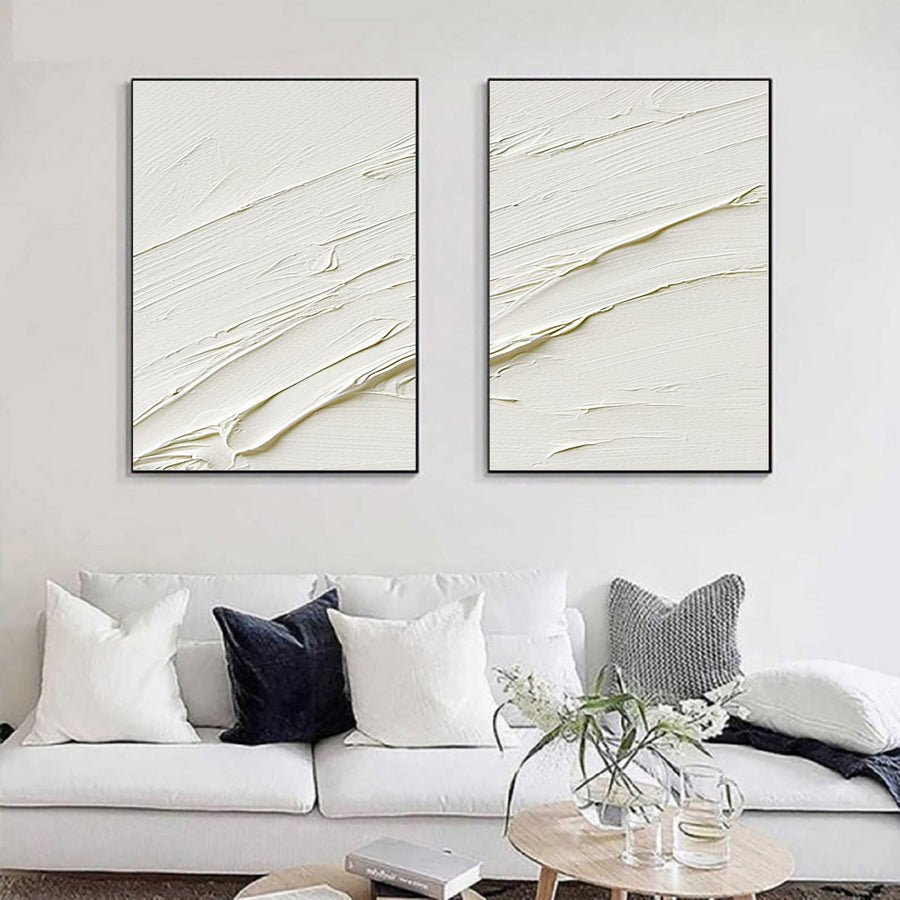
I close the handover before decorating
I identify each package and work against the inventory. I do not rely only on how I remember the image. If several pieces share a design or palette, the stable reference matters. I keep any receiving notes connected with that reference so that a later question concerns the correct object.
I inspect the work through the planned receiving process. I take a full view and details of any concern without risky handling. I compare those photographs with the starting record. I describe what I see rather than guessing when or how a mark occurred. I keep the relevant packaging while I ask about the actual next step.
I contact the mover or seller through the route that applies to the concern. I do not assume one universal reporting deadline or promise of compensation. I retain the messages and follow the stated process. If the object needs treatment, I seek qualified advice instead of attempting a household repair to finish the move quickly.
I choose the new wall after I inspect light, heat and practical access. A suitable position in the old home does not establish a suitable position in the new one. I confirm the outside dimensions and hanging needs before installation. My move is complete only when the object has a clear arrival record and a suitable next location, not merely when the package has left the truck.
| Decision | My check |
|---|---|
| Receiving identity | I match the work to its stable reference. |
| Condition question | I compare dated records without guessing cause. |
| New display | I check the wall before installation. |
Conclusion
I plan paintings as their own part of the move. Clear records, suitable packing and prepared access make each handover easier to manage.