Which photos should I request before buying hand-painted art online?
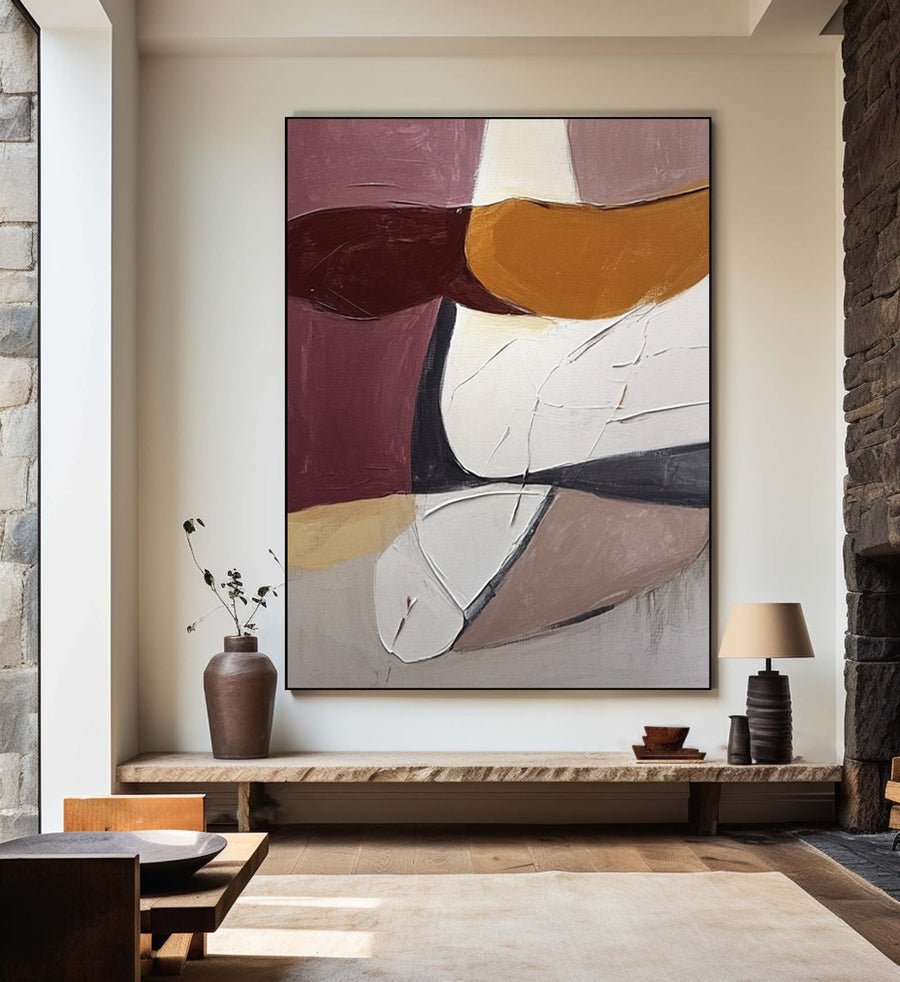
I can love an online room image and still know little about the painting itself. Missing evidence turns a simple purchase into a guessing exercise.
I request a straight front view, angled surface details, edge and back views, a scale reference and confirmation of which object each photo shows. I use these images to compare appearance and construction, while asking separately about materials and making methods.
I give every photo a job. That helps me ask for a small, useful set of images rather than a long gallery that repeats the same attractive angle.
Which photograph helps me judge the full composition?
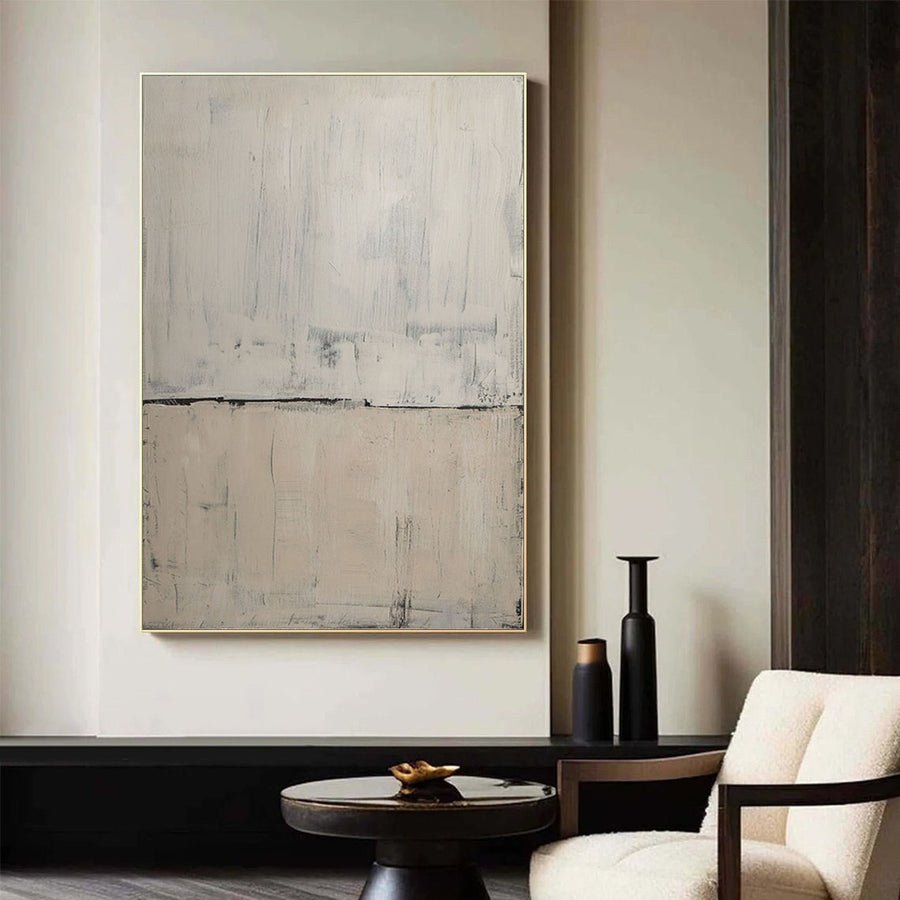
I can mistake a room mockup for a direct object photograph. Cropping and styling can hide details that matter to my choice.
I start with a clear, straight photograph of the full painting, including its edges. I ask whether it shows the exact item, a sample or a digital room illustration.
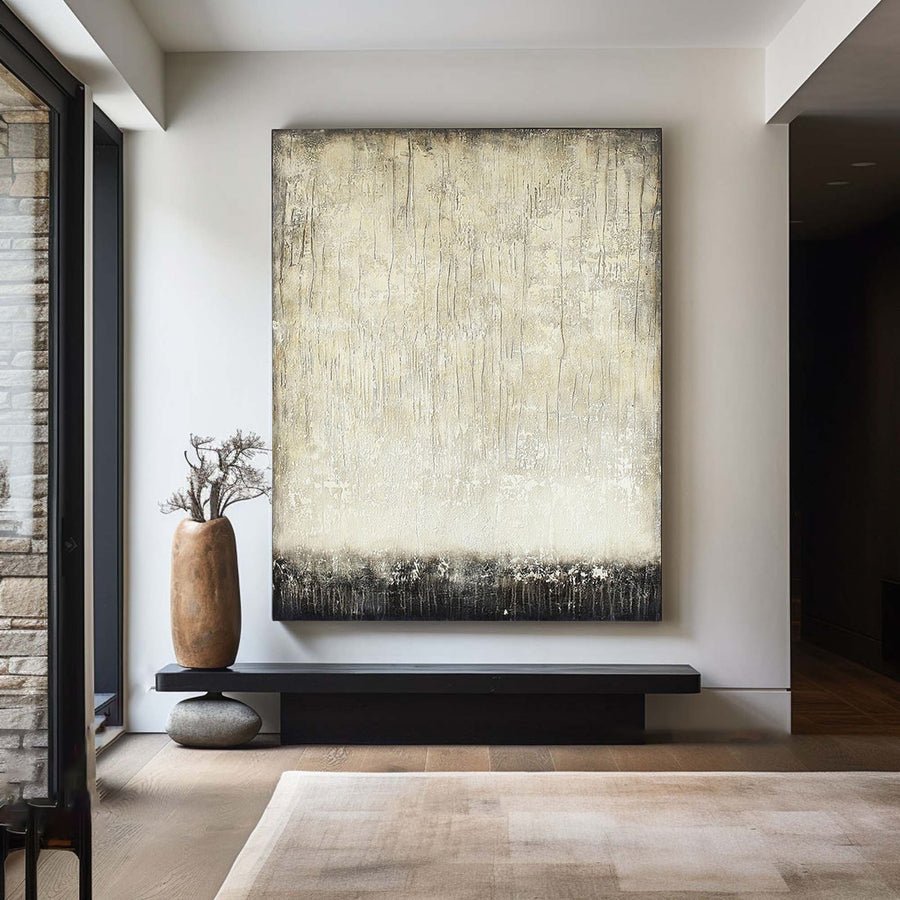
I establish which object I am seeing
I ask for the whole front of the painting without furniture covering an edge. I want the camera roughly square to the surface so that one side does not appear larger than the other. This makes the layout easier to judge. It does not guarantee perfect color accuracy, but it removes some avoidable confusion about the composition.
I check whether the picture is the exact object offered. If the painting is made to order, I ask the seller to label the image as a reference or sample. A sample can be useful, but I cannot inspect my future canvas through its photograph. I ask what later evidence will be available for the version being made.
I also look for a clear distinction between object photos and room illustrations. A room image can help me think about mood and placement. It may not establish size, paint texture or the exact frame included. I ask the seller to describe any digitally placed view rather than assuming that the room shown was photographed with that object installed.
Etsy's creativity standards are useful background for understanding how a marketplace describes making and sourcing.[1] I still ask object-specific questions. I keep the front photo and its status together in my notes. The quality-control page gives me a practical route for discussing that evidence. I prefer one clearly identified image over several polished pictures whose relationship to the order is unclear.
| Decision | My check |
|---|---|
| Full front | I check the entire composition and edges. |
| Image status | I distinguish exact item, sample and illustration. |
| Order version | I ask what later evidence will be supplied. |
Which details help me judge the painted surface?
I can overestimate texture when a seller uses strong side lighting. A close photograph without context can also hide how the whole work looks.
I ask for a direct detail and an angled detail of the same area. I compare both with the full front view, and I ask about materials rather than treating texture as proof of a particular medium.
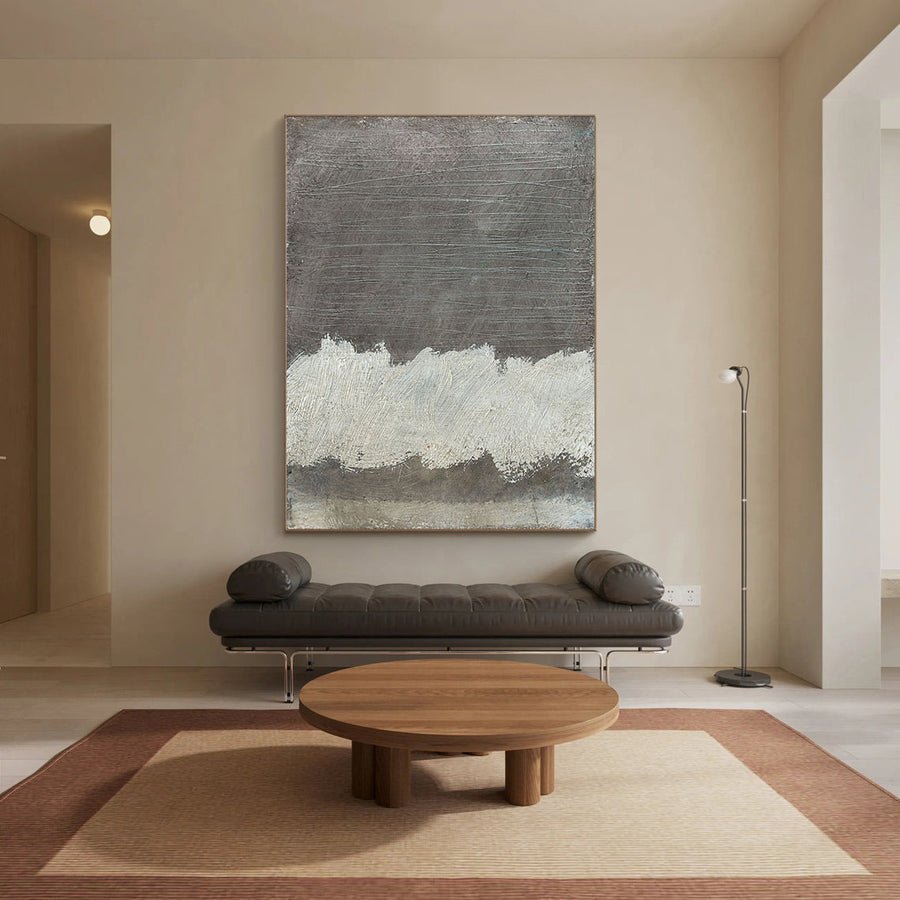
I compare the same area under different views
I choose a detail that includes a meaningful part of the composition. I may ask to see where two colors meet or where a raised mark changes direction. A close view of a random corner gives me less information about the work I want to buy. I identify the area so that the seller knows what I am trying to understand.
I compare direct and angled views. Direct light can help me see the arrangement of colors. Light from the side can reveal relief and shadows. I avoid judging the whole surface from only the most dramatic lighting angle. A painting under soft room light may look less sculptural than its listing photograph suggests.
The National Gallery's explanation of impasto describes thick paint application.[2] I use it as a visual term. I do not treat a raised ridge as proof of oil paint or proof that no printed layer is present. Those are separate making and material questions that require a clear answer from the seller.
I want enough resolution to inspect the image on an ordinary screen, but I do not confuse zooming with physical inspection. Compression and focus affect what I can see. If a detail remains unclear, I ask a specific question rather than inventing a defect. I also avoid asking the seller to scrape, bend or press the surface. The custom-art service can help me describe a preferred surface effect without turning a photograph into a material test.
| Decision | My check |
|---|---|
| Direct detail | I examine color edges and visible marks. |
| Angled detail | I examine relief and shadows. |
| Material question | I request a separate written answer. |
Why should I request edge and back photographs?
I can focus on the front and overlook the form that will arrive. Unclear edges and backs can create framing or installation surprises.
I use edge and back photographs to clarify the supplied form, visible construction and hanging arrangement. I ask about anything unclear, while leaving structural or conservation judgments to a qualified person when needed.
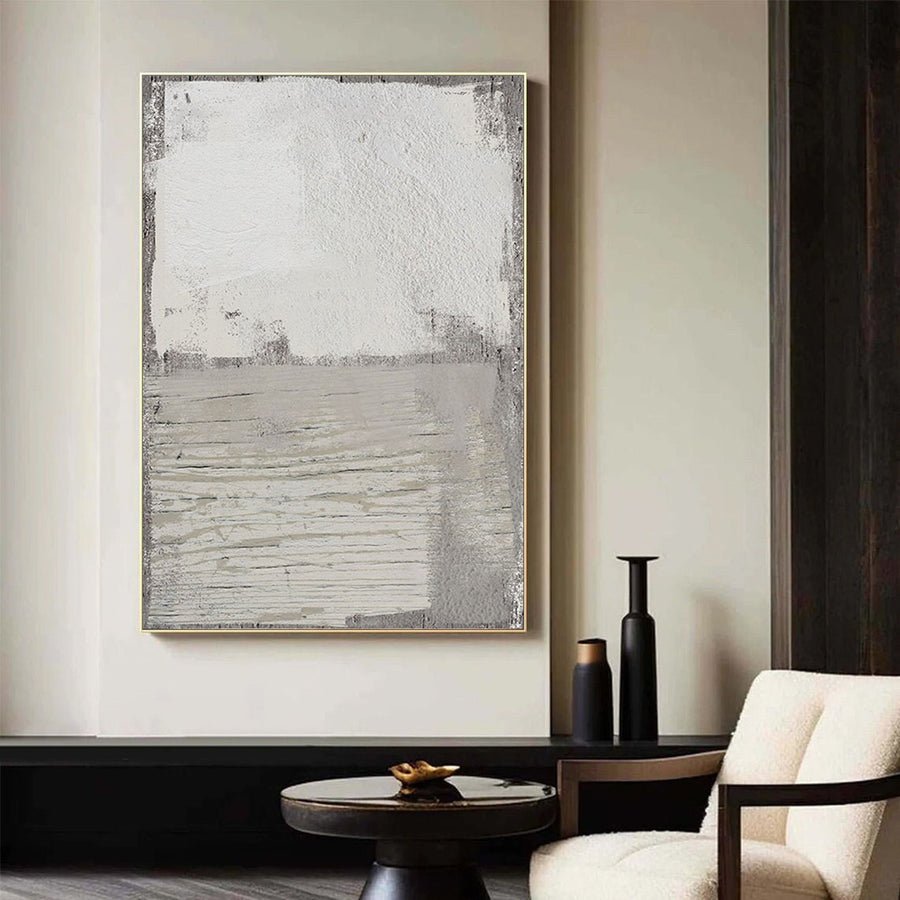
I connect photographs with the order description
I first compare the edge image with the listing's supplied format. A rolled canvas, a stretched canvas and a framed work will look different at delivery. I ask which format the price covers. I also ask whether the painted image continues around the edge or stops at the front, because that can affect my frame choice.
I use the back image to understand what I need to discuss with a framer or installer. I look for the general support arrangement and the presence of any supplied hanging fittings. I do not calculate safe installation from a photograph alone. I need the work's weight, the wall's construction and a suitable installation method.
The Canadian Conservation Institute describes careful handling of paintings and the need to understand vulnerable parts.[3] I use that guidance to avoid treating a visible back component as an invitation to adjust it myself. I ask the seller about an unfamiliar fitting rather than pulling, tightening or removing it without suitable advice.
I keep the edge and back views labeled with the same item reference as the front. If several versions appear in a conversation, I do not assume all photos show one canvas. I ask the seller to confirm the relationship. That small check helps me avoid comparing one sample's finish with another sample's construction. I use the photographs to clarify the supplied object, not to claim a complete condition assessment from a screen.
| Decision | My check |
|---|---|
| Edge treatment | I confirm wrapped paint or a plain edge. |
| Back view | I clarify construction and supplied fittings. |
| Photo identity | I connect every view with the same item. |
How do I turn the photos into a useful buying record?
I can receive good photographs and still lose track of what was agreed. A saved evidence set makes later questions easier to explain.
I save the images with the item reference, date and relevant written answers. I record unanswered questions before paying, and I compare the delivered object with the agreed description rather than relying on memory.
I keep evidence and promises separate
I create a simple folder for the candidate painting. I include the full front, surface details, edge, back and any scale view. I save the listing description separately. This allows me to see what the pictures show and what the seller states without blending the two into one impression.
I record the most important answers in plain language. I note whether the images show an exact item or a sample. I record the supplied size, format and frame. I also keep the seller's account of the making method. A photograph may support part of that account, but it cannot establish every fact about the object's history or materials.
I keep color expectations reasonable. Screens, lighting and image processing can shift appearance. I ask for a description of the main color relationships and any available comparison under ordinary light. I do not expect an online photograph to function as a calibrated physical sample. If color matching is critical, I discuss a more suitable review step before ordering.
I use the saved record if a question arises at delivery. I can point to a specific edge, frame or agreed dimension instead of saying the work feels different. I also check the actual order terms for the route to raise that question. My evidence set is a communication tool, not a guarantee of a particular remedy. It makes the choice clearer at the start and gives me a fairer basis for any later discussion.
| Decision | My check |
|---|---|
| Image folder | I save identified views and dates. |
| Written answers | I retain the supplied form and materials. |
| Delivery check | I compare against the agreed description. |
Conclusion
I request photos with clear jobs and keep their status visible. Good evidence supports a better choice without pretending to replace physical inspection.