What should a painting certificate or order record actually tell me?
I can receive an impressive certificate and still lack basic facts about my painting. Decorative paperwork can distract me from the record I actually need.
I want a certificate or order record to identify the object, creator or maker, materials, dimensions, date and transaction reference clearly. I check what each statement means and whether supporting evidence exists, rather than treating a document's appearance as proof.
I read the record as a set of claims. Some claims identify the object, some describe its making, and others concern the transaction. I keep those roles separate.
Which details should identify the painting?
I cannot use a record well if it could describe several similar canvases. Clear identification matters more than a formal-looking border or seal.
I look for a title or item reference, dimensions, supplied format and a photograph linked to the record. I ask whether the record identifies an exact finished painting or a made-to-order design.
I connect the document with one object
I start by checking the item reference. A descriptive title can be useful, but several works may share it. I want a reference that also appears on the order and related photographs. If the seller uses a design code for repeated work, I ask whether there is a separate reference for my version.
I compare dimensions carefully. I want to know whether they describe the painted area, the stretched canvas or the overall frame. These numbers can differ. A record that simply states large gives me little help later. I retain the unit of measurement and the supplied format beside the dimensions.
I ask for a photograph connected to the document when one is available. The picture can help identify the object even if minor marks are difficult to describe in text. I do not expect a photograph to prove every claim on the certificate. It mainly helps me avoid attaching the record to the wrong canvas.
The Canadian Conservation Institute's care guidance treats a painting as a physical object with material and condition needs.[1] I use that perspective to ask for a record I can actually use. The quality-control service is a relevant place to discuss object photographs and identification. I prefer a plain document that connects clearly with my painting over an ornate one that leaves its identity uncertain.
| Decision | My check |
|---|---|
| Item reference | I match the order, object and photographs. |
| Dimensions | I identify which part was measured. |
| Made-to-order work | I distinguish the design from my version. |
What should authorship and material statements mean?
I can read authentic or original without knowing which claim the seller intends. Broad language can make a weak record seem stronger than it is.
I ask who created the composition, who made the physical object and what materials were used. I want those statements described clearly, with any limits or unknown details left visible.
I read each claim on its own
I separate the creator of the image from the maker of the object. In some cases, they are the same person. In others, a painter follows a design made elsewhere. I ask the record to describe that relationship rather than hiding it behind a broad originality label. This matters when I compare unique compositions with repeated handmade designs.
I read the material description in the same careful way. Oil painting tells me less than a clear statement of the paint medium and support. Mixed media needs more explanation because it covers many possible combinations. I ask for enough information to discuss care and framing, without expecting the seller to supply a laboratory report.
I also ask who issued the document and on what basis. A seller's own certificate is a statement from that seller. I do not call it an independent assessment unless an actual independent source supports that claim. A signature, stamp or serial number may help connect records, but it does not make every assertion self-proving.
Etsy's creativity standards explain how a marketplace distinguishes ways of making and sourcing.[2] I use those descriptions as background, not as verification of one certificate. I keep the record's claims beside the listing and the maker's answers. If they conflict, I ask for clarification before I rely on either version. Plain, consistent wording is more useful than several impressive terms that describe different things.
| Decision | My check |
|---|---|
| Image creator | I ask who made the composition. |
| Object maker | I ask who painted this canvas. |
| Issuer | I identify whose statement I am reading. |
Does a certificate give me reproduction rights?
I can confuse proof of purchase with permission to use an image. That mistake matters if I want to publish the painting commercially.
I do not assume that a certificate transfers image-use rights. I state my intended use and request written terms that address it. I seek qualified advice if the rights position affects a commercial decision.
I separate the object from the image use
I think about my actual plans before I ask a rights question. Hanging a physical painting in a room is different from printing its image on packaging, using it in an advertisement or selling copies. I describe the proposed use plainly. This gives the seller a question they can answer instead of a vague request for all rights.
The US Copyright Office explains rights connected with visual art.[3] I use that source to understand why ownership of an object and permission to reproduce an image are separate issues. I do not use a short article to decide a disputed claim or to promise that a particular use is allowed in every country.
I ask whether the artist or seller can provide the relevant permission and whether any limits apply. Those limits may concern the type of use, the time period or the allowed audience. I do not invent terms or assume that an invoice silently includes them. I keep any agreed permission with the transaction record.
For a commercial project, I discuss the intended image use while planning the order through the trade program. I do not wait until the painting is photographed for a campaign. Early questions can expose a mismatch between the available object and the planned use. A certificate can still be useful for identifying and describing a work, but I do not ask it to perform a legal role that its wording does not support.
| Decision | My check |
|---|---|
| Physical display | I record the purchased object. |
| Image reproduction | I request terms for the intended use. |
| Commercial uncertainty | I seek suitable advice before relying on it. |
Which records should I keep after delivery?
I can misplace useful information once the canvas is on the wall. Later framing, moving or condition questions become harder without that history.
I keep the order, payment record, final description, identified photographs, care guidance and any agreed permissions together. I add delivery and condition notes without altering the original documents.
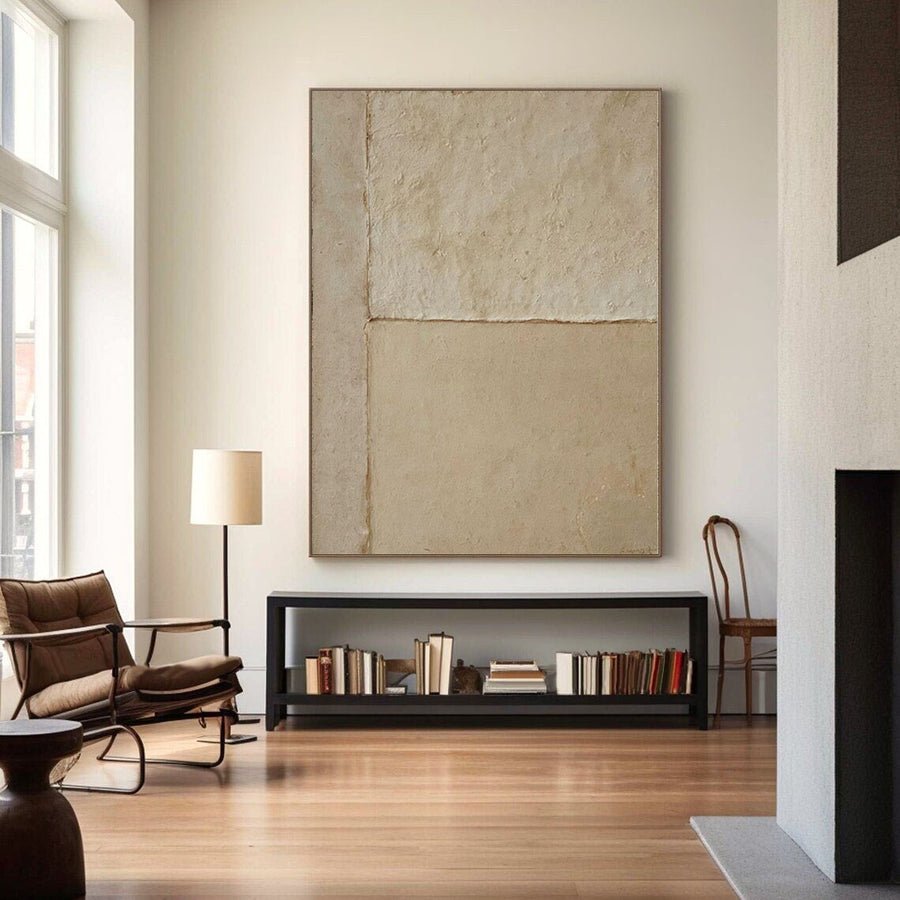
I preserve a usable purchase history
I save the final order rather than only the first quote. Changes to size, frame or palette can make an earlier version inaccurate. I label the final file clearly and keep earlier discussions in a separate folder if they explain the choices. This avoids treating an abandoned option as part of the delivered order.
I photograph the painting after delivery without putting the surface at risk. I include a full front view and any relevant existing marks. I keep those images dated. If a later concern appears, the record can help me describe when it became visible. I do not turn a casual photograph into a formal condition assessment, but it can still support a useful conversation.
I retain care and framing advice with the material description. A future framer or conservator may find that information useful. I also keep the seller's contact details and the item reference so that I can ask an informed question. I avoid writing new claims into the original certificate or changing its image to make it look more complete.
I make a backup that I can find easily. A record is only useful if I can connect it with the painting years later. I name the folder after the item reference and add a readable note about where the object is displayed. My aim is a clear history of the purchase, not an impressive collection of paperwork. I value documents that identify the work and explain the transaction accurately.
| Decision | My check |
|---|---|
| Final order | I retain the version actually supplied. |
| Condition photos | I keep dated, identified views. |
| Care file | I save materials and relevant guidance. |
Conclusion
I judge a painting record by its clear, supported details. I keep identification, making claims, transaction terms and image permissions separate.