What changes the price of a custom hand-painted artwork?
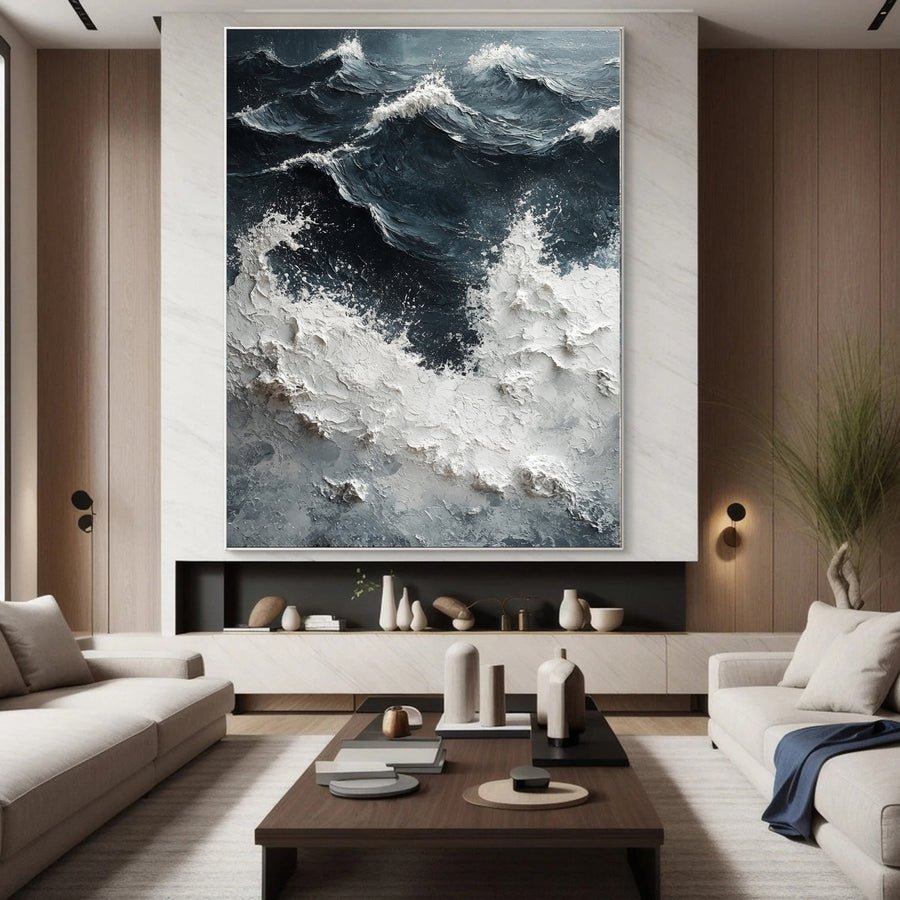
I can compare two painting quotes and assume the lower number is better value. Different subjects, formats and review scope may make the prices impossible to compare.
I compare the subject complexity, size, technique, reference work, approval scope and delivery format behind each quote. I ask for the actual inclusions and exclusions. I do not assume that a low price proves poor quality or that a high price guarantees a better painting.
I read a quote as a description of work, not just a total. I separate the visual assignment from the physical object and the later delivery costs.
How do subject complexity and references affect the quote?
I can request the same canvas size for two subjects and expect the same price. A simple scene and a multi-photo family composition may involve different work.
I ask how the number of subjects, detail level, source quality and requested changes affect the quoted scope. I provide the actual references before comparing prices. I distinguish a new composition from a straightforward interpretation of one clear image.
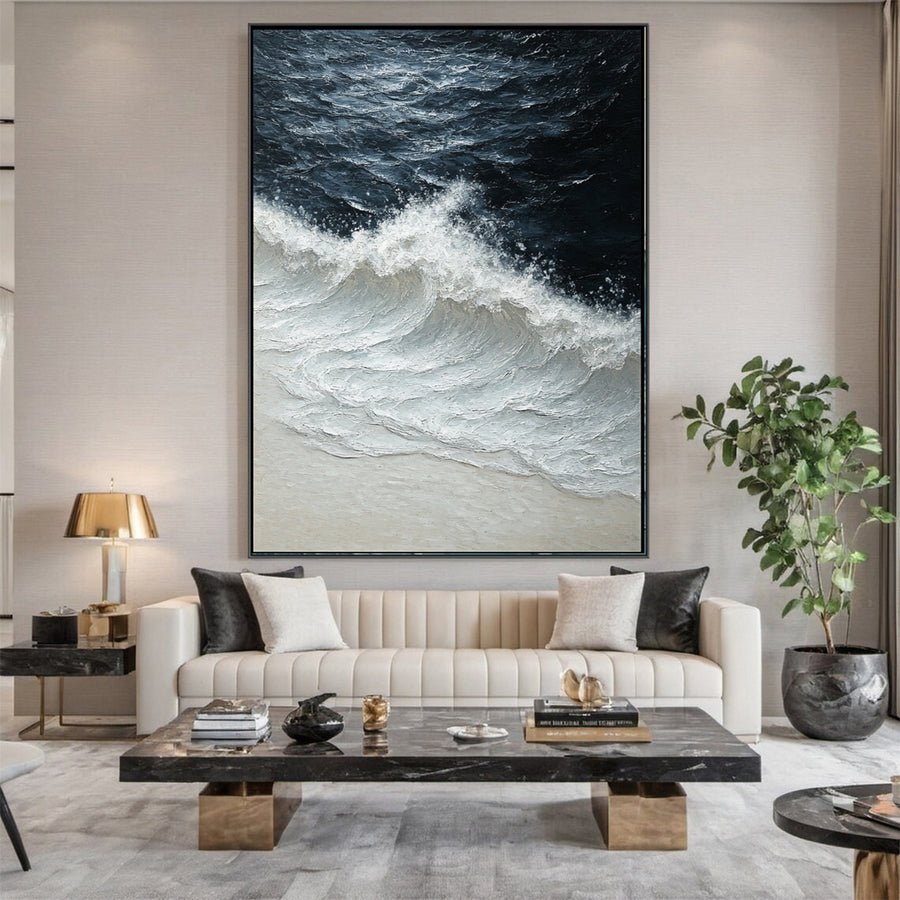
I price the assignment rather than the rectangle
I begin with the subject the artist must create. A single clear portrait and a large group assembled from separate photographs are different assignments even when their canvases share a size. I list the people, objects and details that must appear. I explain whether I want a close likeness or a looser treatment. I ask the supplier how those choices affect the quote instead of assuming that width and height are the only price drivers.
I share the real reference files before accepting a detailed price. A blurred photograph, a hidden feature or conflicting views can create extra interpretation work. I identify any requested background replacement, new pose or added person. I do not present those changes as routine adjustments after receiving a simpler quote. I ask whether a composition review is part of the offered scope. I also ask what information is still needed before the figure can be treated as final.
I compare quotes with the same assignment description. If one includes a new layout and another assumes the original photo remains unchanged, the totals are not directly comparable. I keep a short scope checklist beside each offer. I use the custom artwork brief to define those requirements clearly. I do not use subject complexity as a way to judge the artist’s quality from price alone. I use it to understand what work each supplier is actually proposing.
| Decision | My check |
|---|---|
| Several subjects | I state the full group |
| Separate references | I ask about composition work |
| Poor source detail | I request a review before final pricing |
How do size, materials and technique change the comparison?
I can read textured oil painting and assume every quote describes the same surface. Broad wording can hide different materials and levels of paint handling.
I confirm the visible size, support, paint or texture materials and intended technique. I ask what the supplier means by textured or hand-painted. I compare like specifications and inspect useful surface evidence rather than assigning value from a style label alone.
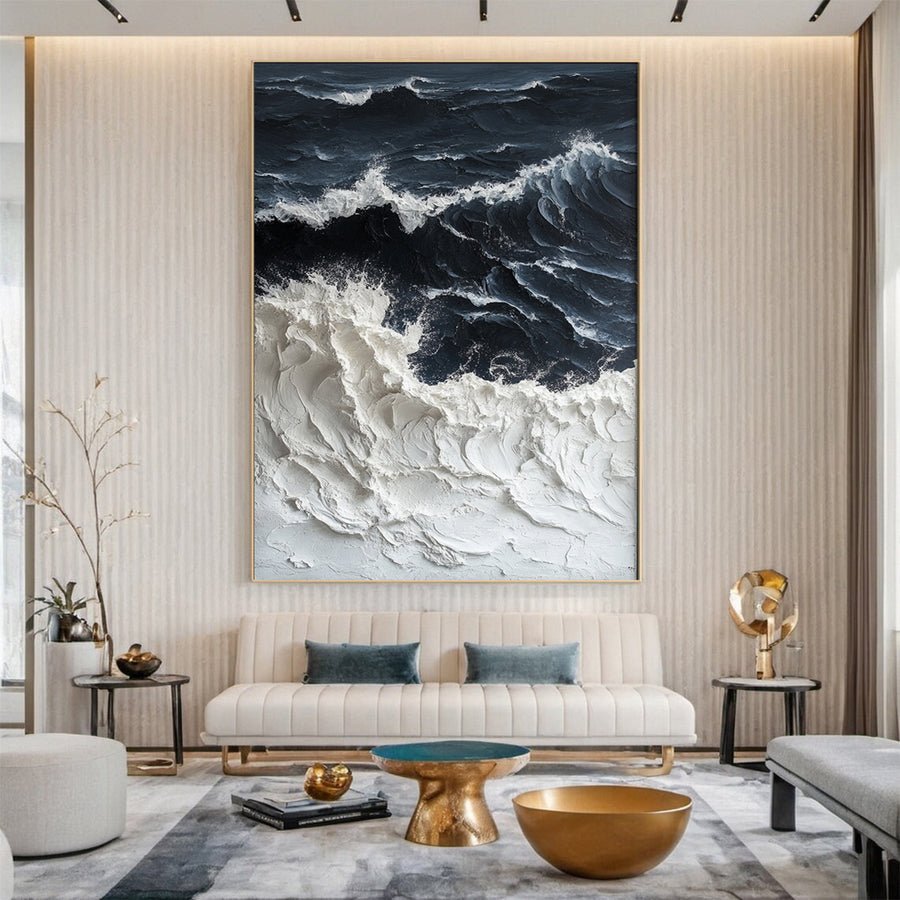
I ask what the artwork is made from
I record the visible painting dimensions and their units. I check whether the quote refers to the canvas face or the finished outside frame. I also ask what support and materials are proposed. I do not assume that every raised artwork uses oil paint throughout. A listing can describe a textured appearance without explaining the medium that creates it. I request the actual description before treating two offers as equivalent.
I ask how the technique relates to the brief. A smooth, closely observed portrait and a heavily raised abstract surface may require different handling. Impasto means thick paint application.[1] I use that definition to ask a precise question rather than to rank every textured work. I also ask where the texture will appear. A portrait with quieter facial areas and stronger background relief is different from one that uses the same raised treatment everywhere. I keep those choices visible in the quote.
I request useful evidence of the offered finish when available. A front view can explain composition, while an angled close view can help describe surface depth. I avoid assuming a large file or dramatic room photograph proves material quality. I use the quality control questions to prepare a focused review. I do not invent a universal price premium for a material or technique. I ask the supplier to connect its actual offer to the specific surface and size I want to receive.
| Decision | My check |
|---|---|
| Size label | I confirm what is measured |
| Texture claim | I ask what creates it |
| Surface evidence | I compare relevant views |
Which format and delivery costs should I separate?
I can choose a cheaper rolled canvas and forget the later framing bill. A framed quote may include a larger object and a different shipping path.
I separate painting cost from stretching, framing, packing, transit and any local assembly. I ask what is included in each offer and which charges remain uncertain. I compare the finished route, not just the first checkout total.
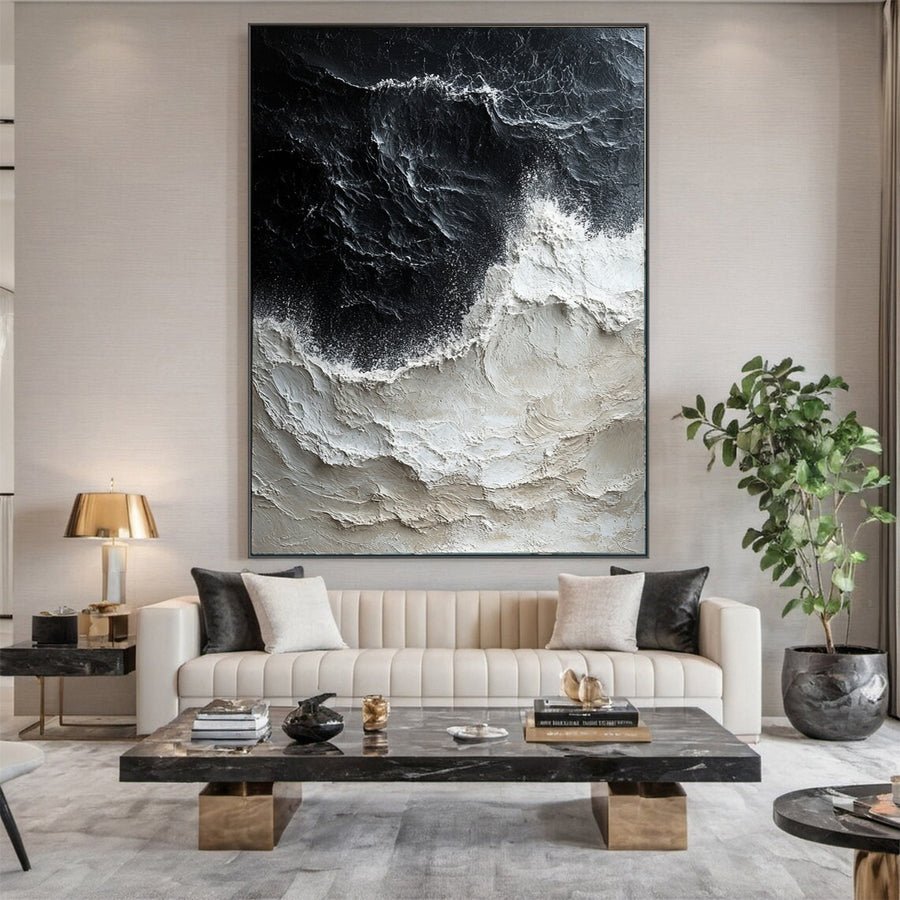
I follow the work from studio to wall
I name the delivery format before comparing totals. Rolled canvas requires later assembly. Stretched canvas has a physical support. A framed work adds another object around or over the edge. I ask what each option actually includes and what the recipient must arrange. I do not assume that a framed image in a listing means the quoted price includes that frame. I also confirm the outside dimensions and any relevant assembly information.
I consult a local framer if that person will complete the work. I ask about the proposed canvas size, margins and materials before production when those details affect assembly. Framing guidance explains why support and fit deserve attention.[2] I use that information to ask about the actual route rather than calculate a universal framing cost. A lower rolled-canvas price can still be suitable, but I include the later work in my own comparison instead of treating it as free.
I ask about packing and delivery separately. The size and construction can affect the packing approach, and paintings need careful planning before travel.[3] I ask who arranges transit, what destination information is needed and which charges are included. I do not promise a fixed duty, tax or insurance outcome without a verified basis. I keep any uncertain cost marked as uncertain. I compare the complete planned route to the wall, while recognizing that the supplier’s quote and my later local costs may come from different providers.
| Decision | My check |
|---|---|
| Rolled canvas | I include later assembly |
| Frame shown | I confirm whether it is included |
| Delivery charge | I ask which costs remain separate |
How do approvals and changes affect the final price?
I can accept a quote and later ask for a different pose, size or frame. The extra request may change the work even if I call it a revision.
I ask what review stages and changes the quote includes. I distinguish corrections to the agreed brief from a new direction. I confirm any price or timing effect before approving added work, and I save the accepted scope with the total.
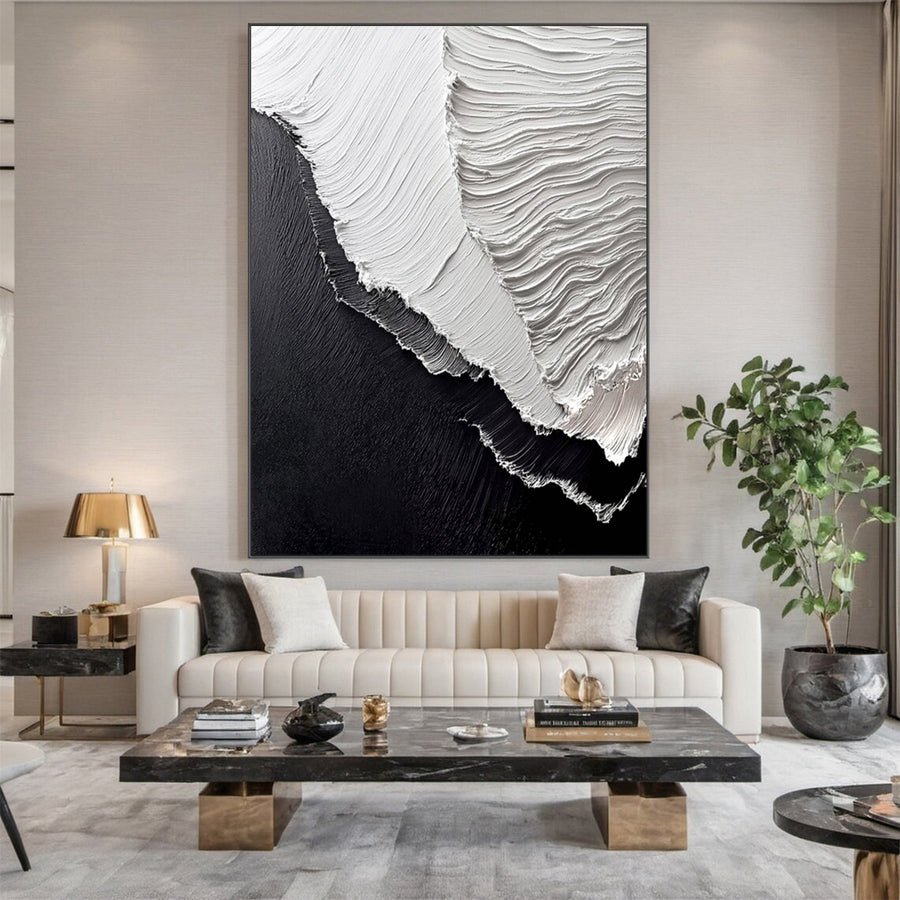
I define the work that the price covers
I ask the supplier to explain the review process in practical terms. I want to know what evidence I will receive and what decisions I can review at each stage. I do not assume a standard number of revisions or unlimited changes. I ask how the offer treats a concern about an agreed detail compared with a request for a different subject. I keep the answer with the quote rather than relying on a friendly general promise.
I use a few examples from my own brief. I might ask what happens if I change the canvas size after approving the composition, or if I add another person. I do not ask those questions because I expect to make every change. I ask them to understand where the scope boundary sits. I also ask whether a frame change affects the outside dimensions or packing. I avoid treating all modifications as equally small simply because they can be described in one sentence.
I confirm the final total only after the important specifications agree. I save the accepted reference, dimensions, format and review terms beside that number. I request a written update if the scope changes later. I do not rank a quote solely by the amount of feedback it appears to include. A clearer brief may be more useful than a vague promise of many rounds. I choose the offer that explains the work I need, with its actual limits, rather than expecting price itself to stand in for evidence of quality.
| Decision | My check |
|---|---|
| Review stages | I ask what each one covers |
| New direction | I confirm added work first |
| Accepted total | I save the final scope |
Conclusion
I compare complete scopes rather than price alone. I confirm subject, materials, format, review work and delivery costs before deciding which quote meets my needs.