Where should I hang a painting to reduce sunlight and heat exposure?
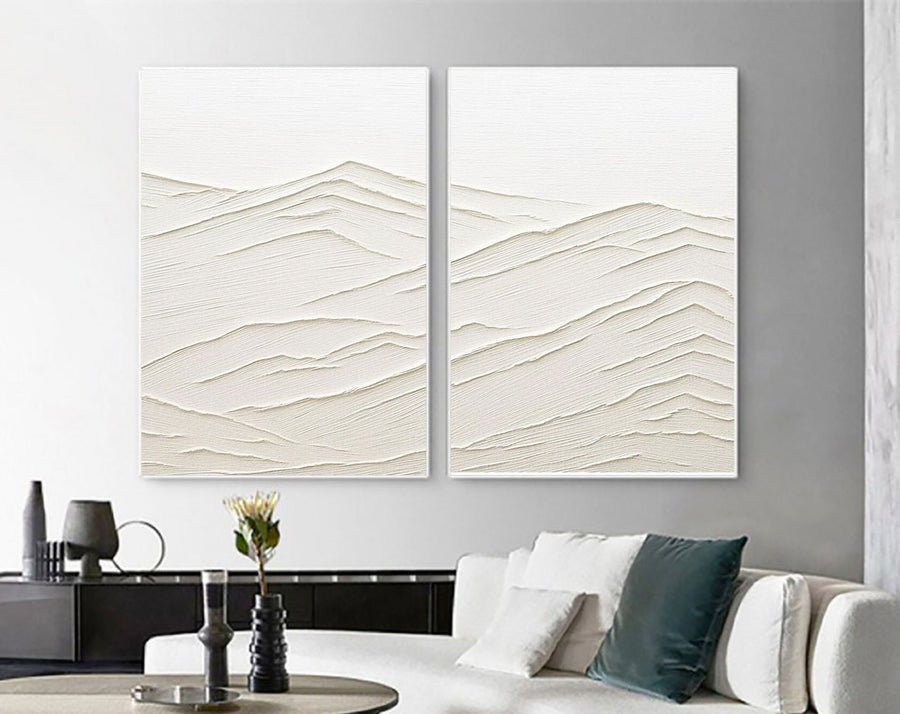
I can choose a bright wall because the painting looks good there for a moment. Changing sunlight and nearby heat may make that location a poor choice.
I look for a suitable wall away from direct sunlight and nearby heat sources. I observe the room at different times, check display conditions and ask for object-specific advice. I do not treat a frame, glazing or coating as permission to ignore the location.
I assess the wall before I decide the exact height. Light, heat, room use and support each affect whether the painting can live there comfortably.
How do I check whether a wall receives direct sunlight?
I can inspect a wall in the evening and miss the sun that crosses it earlier. A single room photograph does not show the full exposure.
I observe the wall at several times and note where direct sun falls. I also consider seasonal changes and window treatments. I prefer a location that avoids direct sunlight rather than assuming a brief exposure is harmless.
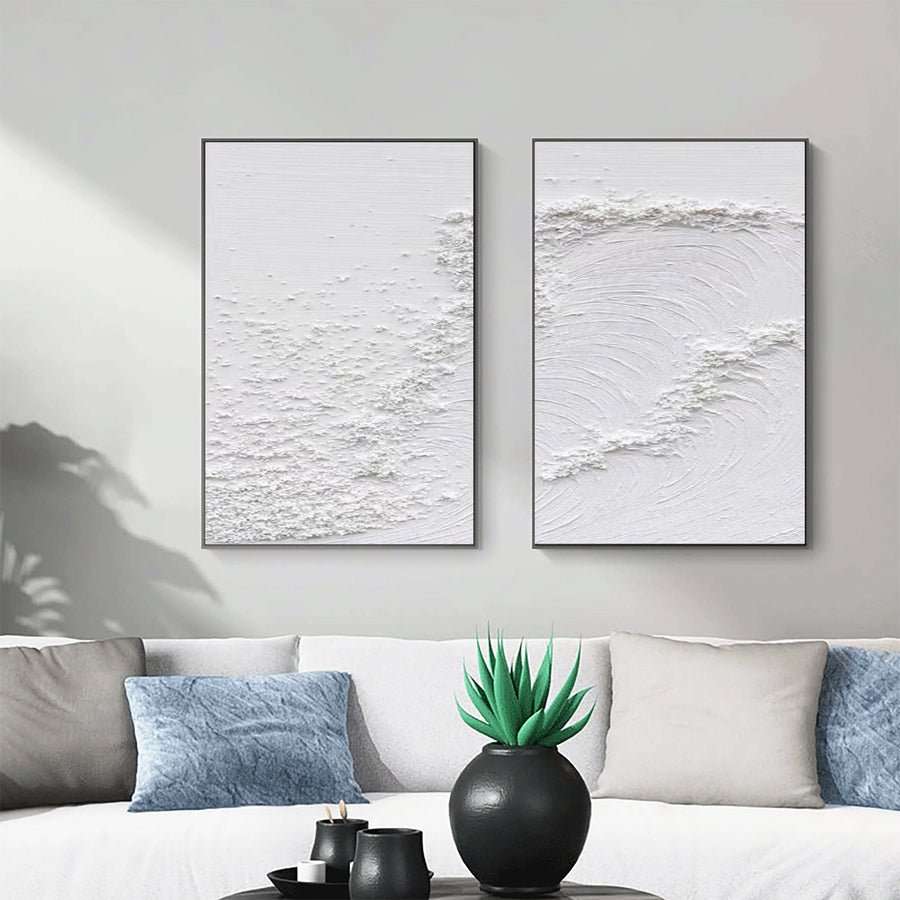
I watch the wall across the day
I start by looking at the route of direct sun through the room. I note whether a bright patch reaches the planned artwork area, not just the floor nearby. I do this at useful times rather than relying on my usual evening view. A wall that stays shaded when I come home may receive strong sun earlier.
I also think about the season. The sun's angle and the room's use can change during the year. I do not need to calculate a precise exposure model to notice a poor location. I keep obvious direct-sun areas off my first-choice list and ask for suitable advice when the room's pattern is unclear.
The Canadian Conservation Institute's display guidance treats light as an important condition for paintings.[1] I use that source to avoid making a decorative decision from brightness alone. I do not promise that one window film, frame or finish removes every light concern. The object and the full display setting still matter.
I compare an alternative wall before I buy accessories to solve the first location. A shaded position may give the work a calmer appearance and reduce the need for a complicated workaround. I discuss display concerns through the custom-art service when planning a new work, while asking for object-specific care advice separately. I want a location that supports the painting, not only a photograph that looks impressive at one convenient time.
| Decision | My check |
|---|---|
| Daily observation | I check direct sun at several times. |
| Seasonal change | I keep later sun angles in mind. |
| Alternative wall | I compare a naturally less exposed position. |
Which heat sources should I notice near the painting?
I can focus on the light and overlook a radiator or warm airflow. A visually balanced placement may still sit too close to a heat source.
I check for radiators, fireplaces, vents and other nearby heat sources. I avoid using a general clearance rule for every painting, and I ask for advice about the actual object and location when needed.
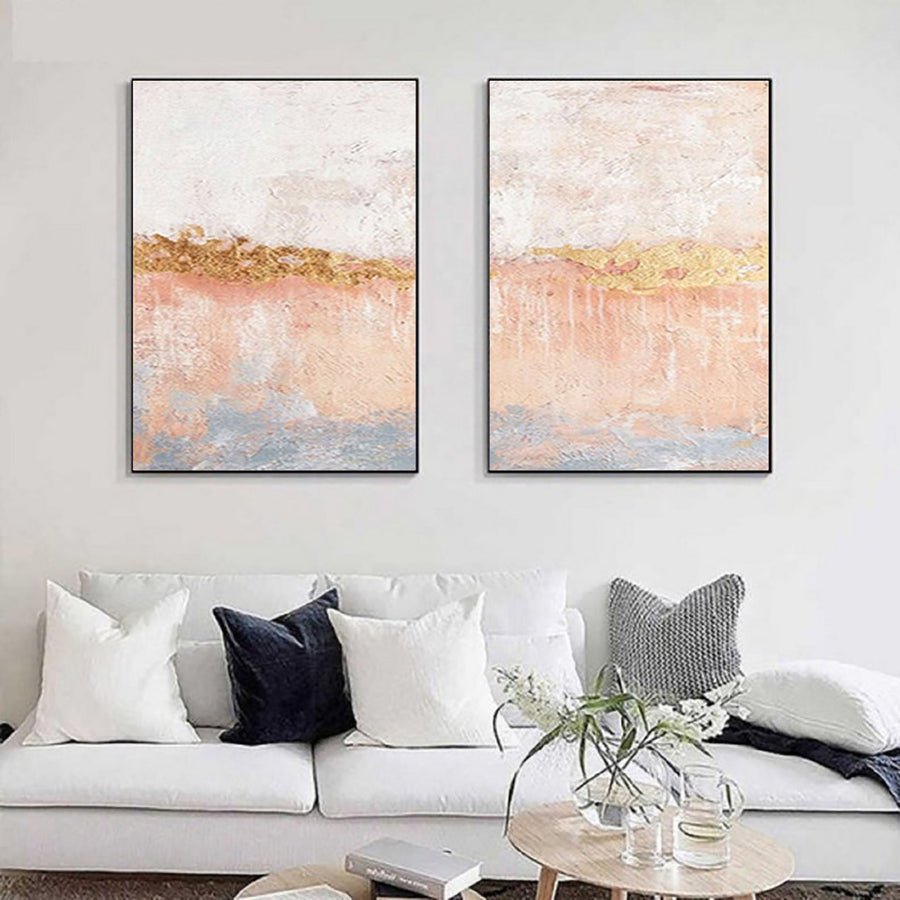
I inspect the room's working conditions
I look beyond the wall's appearance. I identify heating equipment below, beside or opposite the planned work. I also notice airflow from vents. A room can feel comfortable overall while a small area near a heat source behaves differently. I do not assume that an attractive above-fireplace position is suitable for every painting.
I ask how the room is used during colder weather. A radiator that is off during my first visit may become important later. A decorative fireplace may not operate often, while another may be a regular heat source. I want the actual pattern rather than a guess from the room's staging.
The Canadian Conservation Institute's painting-care guidance explains the importance of the environment around a work.[2] I use that background to ask careful placement questions. I do not assign a universal safe distance because the equipment, object and room differ. I choose a less exposed wall when possible and seek qualified advice for a difficult setting.
I also consider maintenance around the heat source. Cleaning, access and moving furniture may increase handling risks near the painting. I prefer a place where the work does not need frequent removal for routine tasks. For a managed property, I discuss locations through the hospitality-art service so that room operations remain part of the brief. I keep heat and maintenance concerns visible before the artwork schedule becomes final.
| Decision | My check |
|---|---|
| Heat equipment | I identify active sources near the wall. |
| Airflow | I notice vents and local conditions. |
| Room operations | I avoid a position needing frequent removal. |
Can glazing or a protective finish solve a poor location?
I can hear protected and assume the work can hang anywhere. A product feature should not replace a careful display decision.
I treat glazing and finishes as parts of an object-specific protection plan. I ask a suitable framer or specialist what they address and what limits remain. I still avoid a location with clear sunlight, heat or handling risks.
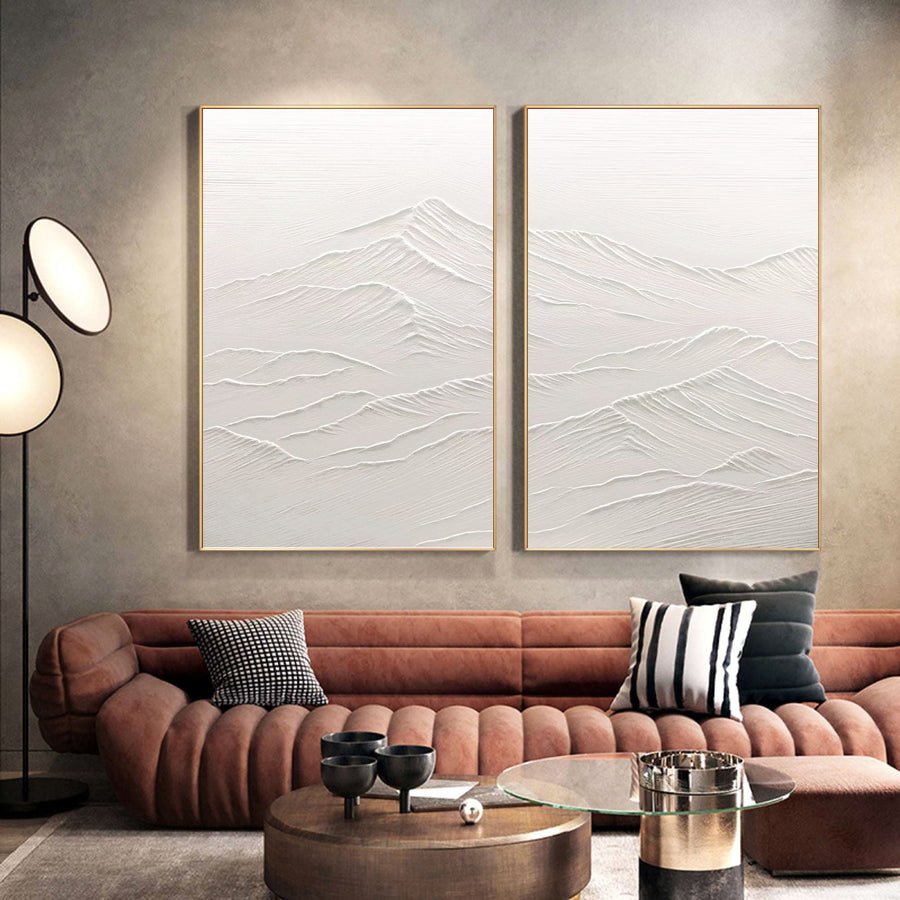
I ask what protection means in practice
I begin with the actual painting and its materials. A frame, glazing or finish may be proposed for a specific reason. I ask the person recommending it to explain that reason in plain language. I do not assume that the same approach suits every canvas or every raised surface.
I also ask what the proposal does not address. A frame may help with handling at the edges, but that does not automatically settle exposure to heat. A glazing option may affect light and physical protection, but the full display setting still needs consideration. I avoid turning one useful feature into a promise of complete protection.
The Canadian Conservation Institute's framing guidance links framing decisions with the object's needs.[3] I use that source to understand why a qualified recommendation matters. I do not prescribe glazing, coatings or frame construction myself. The painting's surface, support and condition can affect a suitable choice.
I compare changing the location with adding protective features. A less exposed wall may be the simplest decision. If the intended wall is essential, I ask for a specific assessment rather than collecting general internet assurances. I keep the advice with the painting's records. My goal is a clear plan whose limits I understand, not a label that encourages me to ignore obvious risks. I choose the display location and protective treatment together, while leaving technical recommendations to the person who can assess the actual object.
| Decision | My check |
|---|---|
| Proposed protection | I ask which concern it addresses. |
| Remaining limits | I request a plain explanation. |
| Poor location | I compare moving the work first. |
How should I review the final position after hanging?
I can finish installation and stop observing the wall. A change in room use or light may make the original plan worth reviewing.
I check the work's placement, nearby conditions and visible changes during ordinary room use. I keep a dated reference photo and seek appropriate advice if a concern appears. I avoid cleaning or repair experiments.
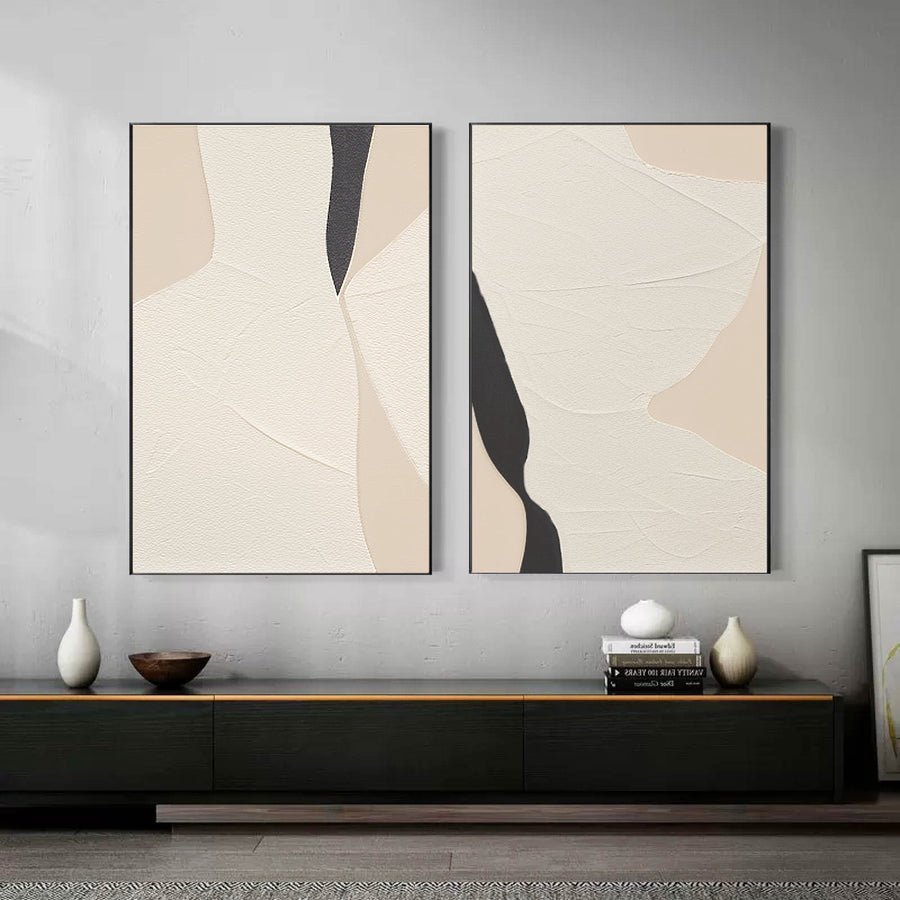
I make a simple display record
I take a clear photograph after installation and keep it with the material and order information. I do not need a formal report for every ordinary room, but a dated view helps me remember the starting arrangement. I note the wall and nearby equipment so that later changes in the room are easier to identify.
I observe the position when the room's conditions change. I may add a lamp, use a heater more often or change the curtains. Each change can affect the area around the painting. I do not assume the original display choice remains equally suitable after the room is rearranged.
I look without unnecessary handling. If I notice an unfamiliar surface change, I document its location and ask for suitable advice. I avoid household cleaners, solvents and attempts to smooth or repaint the area. I also do not move a large work without a handling plan simply because I want a closer look.
I review practical access as well as appearance. The work should not block a control, collide with a door or sit where people repeatedly brush against it. If the location is unsuitable, I discuss moving it safely with the right help. My display record lets me make that decision from observed conditions rather than memory. The painting remains part of a working room, so I keep the plan responsive to real changes in light, heat and use.
| Decision | My check |
|---|---|
| Starting record | I save a dated installed view. |
| Room changes | I review lighting, heat and nearby use. |
| Visible concern | I document it and request advice. |
Conclusion
I choose a suitable wall before solving decorative details. I reduce obvious sunlight and heat risks, keep a simple record and seek object-specific advice.