What should I do on the first day my painting arrives?
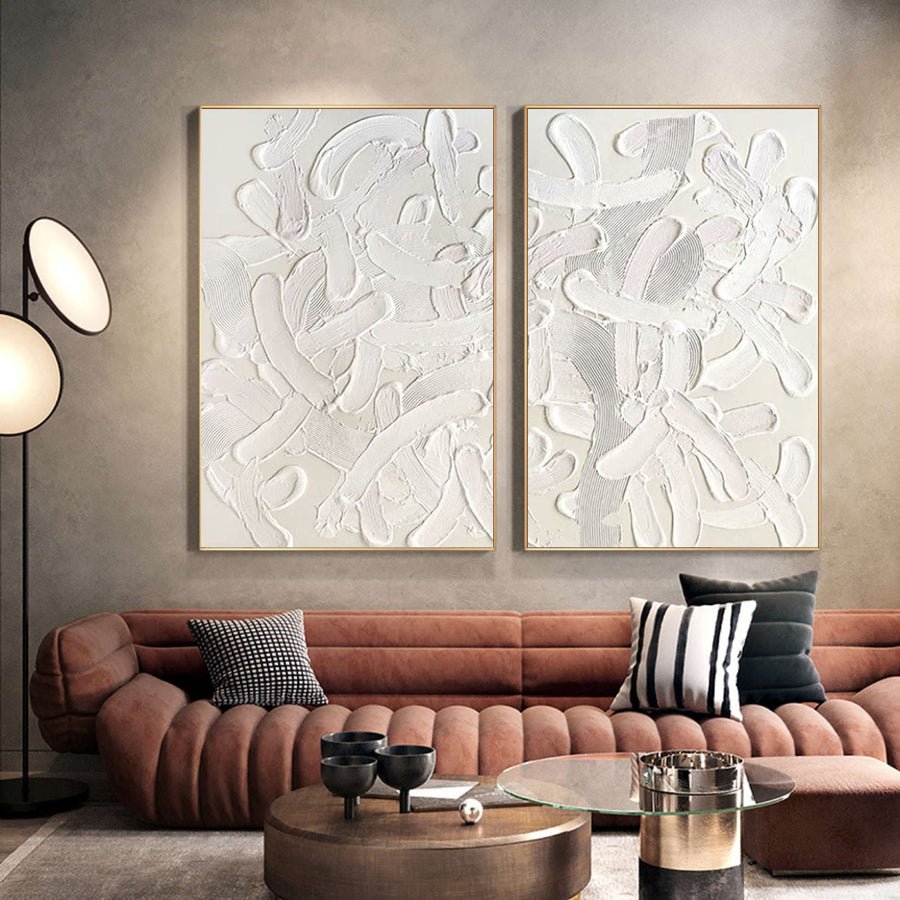
I can feel eager to hang a new painting and rush past useful arrival checks. A calm first day helps me protect the object and record concerns.
I prepare a safe receiving area, inspect the package, document the object and follow its actual handling and care instructions. I pause if damage or uncertainty appears, and I contact the seller before attempting repair or forcing the painting into place.
I put inspection before installation. That gives me a clear record of the arrival and time to confirm that the display plan suits the object that actually arrived.
How should I prepare before opening the package?
I can open a large package in a crowded room and have nowhere safe to put the work. Preparation is easier before the wrapping comes off.
I clear a suitable area, plan safe handling and check the order's receiving instructions. I have help available when the object's size or weight calls for it, and I avoid placing the painted surface against furniture or packing debris.
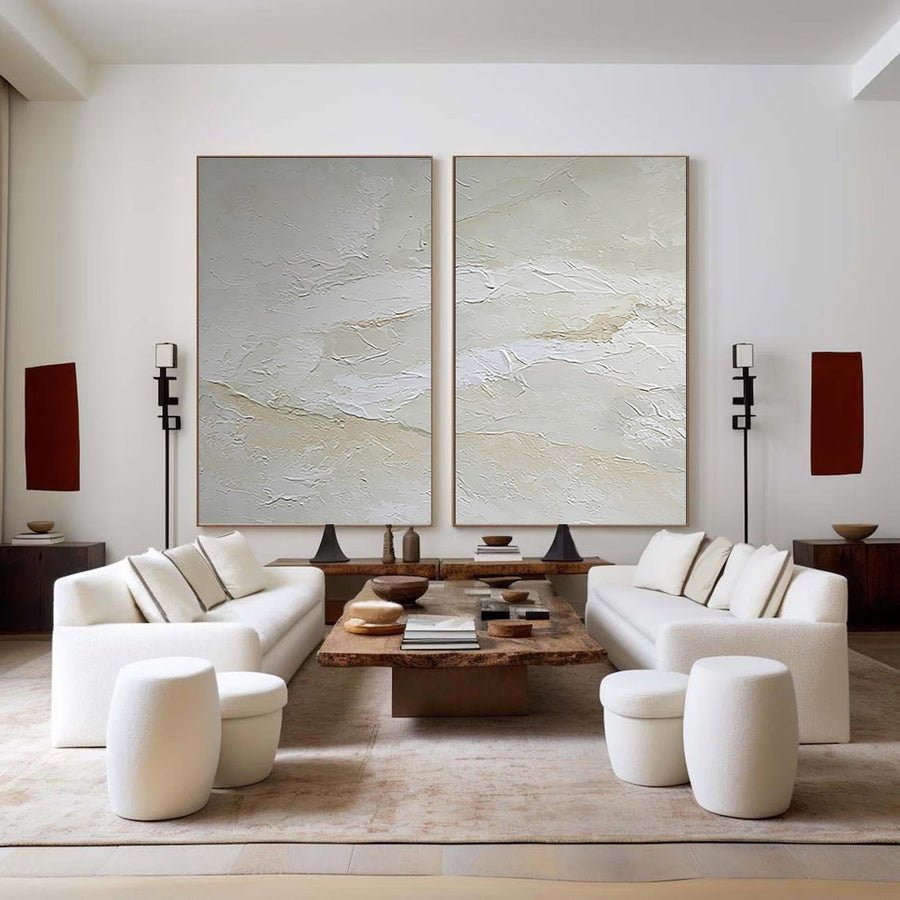
I prepare the space and the people
I choose a receiving area where I can move without stepping over furniture or loose objects. I keep food, drinks and cleaning products away from the work. I also think about pets and children during the handover. These simple choices reduce distractions before I need to handle a large or unfamiliar object.
I review the expected supplied form. A rolled canvas, a stretched canvas and a framed painting require different next steps. I check any receiving instructions in the order. I do not use one general online unpacking method for every object. If the package looks unfamiliar or the surface may be vulnerable, I ask the supplier or a suitable specialist for guidance.
The Canadian Conservation Institute's handling advice stresses planning before moving a painting.[1] I use that principle to decide whether I need another person and where the object can safely rest. I do not judge handling needs only from a listing's nominal size. The frame, depth and packing form can change the practical task.
I have a camera available for ordinary documentation, but I do not let photographing interfere with safe handling. I plan who will support the object and who can record it when help is needed. I also keep the order reference accessible. A prepared receiving area makes the first inspection easier without asking me to become a conservator or improvise a treatment for an unfamiliar painting.
| Decision | My check |
|---|---|
| Receiving area | I clear space and remove distractions. |
| Handling help | I plan for actual size and weight. |
| Instructions | I review the order's receiving guidance. |
What should I document on arrival?
I can notice a crushed corner and discard the packaging before recording it. That leaves a weaker account of what arrived and when.
I photograph the package's condition, identifying details and relevant concerns before discarding anything. I then record the painting's front, edges and any visible issue without putting the surface at risk.
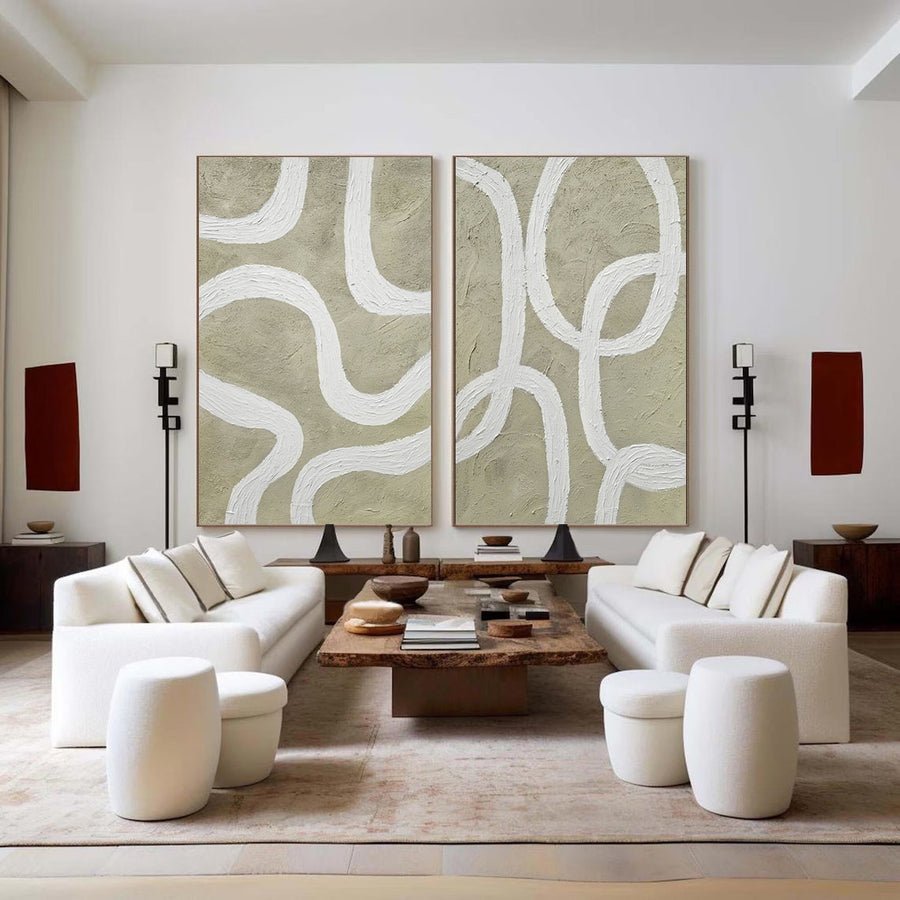
I build a clear arrival record
I start with the outside of the package. I record the overall condition and any areas that look crushed, wet or opened. I include the identifying reference where suitable. I avoid sharing addresses or other personal details publicly. The purpose is a usable private record for the seller or the relevant delivery process.
I keep the packaging while I assess the object and review the order terms. I do not assume that a carrier or seller will require the same evidence in every case. I ask about the actual process if a concern appears. I retain relevant messages so that the sequence of events stays clear.
I photograph the painting with the full front visible and add details of any concern. I use ordinary views that show location as well as appearance. A very tight close-up may hide where the mark sits on the work. I do not scrape, wipe or press an area to see whether it changes.
The Canadian Conservation Institute's basic care guidance supports cautious treatment of paintings and suitable advice for problems.[2] I use the quality-control page as a relevant route for discussing identified photographs. I compare what arrived with the final order description and saved evidence. That record helps me explain a specific issue without guessing its cause or claiming that every mark must have occurred in transit.
| Decision | My check |
|---|---|
| Package condition | I record concerns before disposal. |
| Object photographs | I show location and detail together. |
| Order comparison | I check the final agreed description. |
When should I pause instead of hanging the work?
I can try to fix a loose part or suspicious mark so that the painting goes up today. A quick adjustment may make the situation worse.
I pause if I see damage, loose parts, an unstable frame or unclear handling needs. I avoid repair and household cleaning, keep the object safely supported and ask the seller or a qualified specialist for suitable next steps.
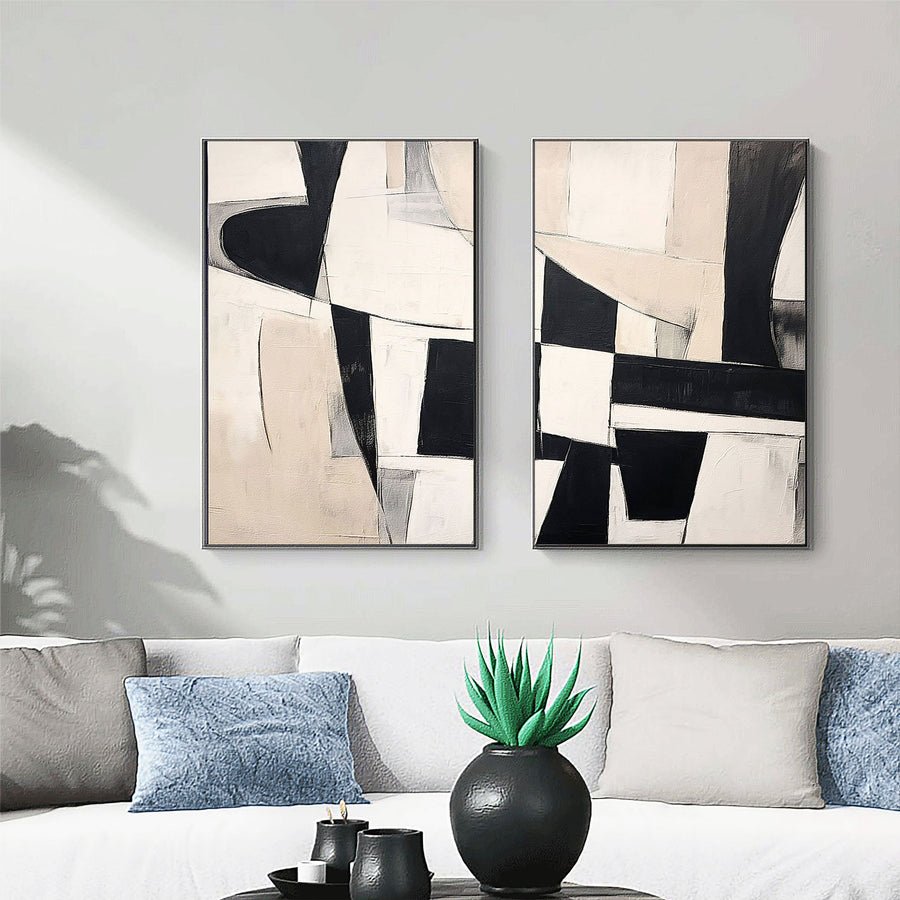
I keep an uncertain condition from becoming a repair experiment
I distinguish a display delay from a need to act immediately. Wanting the painting on the wall is not a reason to tighten unknown components, flatten a surface or touch a loose area. I document what I can see and keep handling limited. I ask for advice based on the object rather than a general online trick.
I check whether the concern affects safe support. A loose frame part or an unclear hanging fitting needs clarification before installation. I do not assume that a fitting supplied with the object suits every wall. I ask a suitable installer about the wall and the actual weight when that information is needed.
I also pause if the materials or format differ from the order. I may have expected a stretched canvas and received an unmounted one. That is a scope question to raise with the seller before I arrange local work. I do not make irreversible changes simply to bring the object closer to an assumption.
The Canadian Conservation Institute's framing guidance describes the role of suitable support and protection.[3] I use that background to keep fitting concerns separate from decoration. I discuss custom-order details through the custom-art service when relevant. I follow the actual order terms for any remedy question. My first-day aim is safe receipt and clear information, not proving that I can solve every issue myself.
| Decision | My check |
|---|---|
| Loose or damaged part | I pause handling and request advice. |
| Unclear fitting | I check before installation. |
| Unexpected format | I clarify the order scope first. |
How do I prepare the painting for its final wall?
I can choose the wall before seeing the actual frame and forget to check the final footprint. Installation deserves its own decision after inspection.
I confirm the outside dimensions, display location, weight information and suitable hanging method. I keep the work away from obvious heat and direct-sun risks, and I use qualified help when the wall or object needs it.
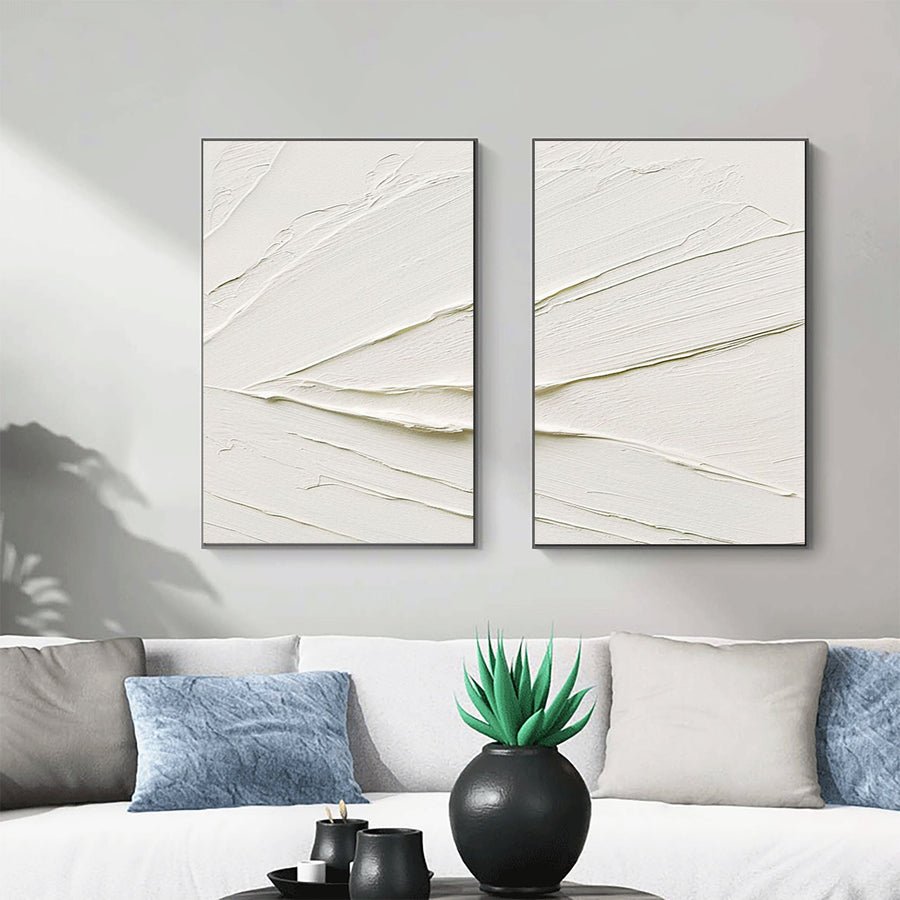
I move from arrival checks to a display plan
I compare the delivered work's outside dimensions with the planned space. A frame can change the footprint more than a room illustration suggests. I check nearby switches, furniture and doors before installation. I use the actual object information rather than trying to make the room match the sample photograph.
I observe the intended wall's light and heat conditions. A location that looks attractive at one moment may receive direct sun later in the day. I also look for nearby radiators, vents or other heat sources. I ask for object-specific care advice when the room presents a concern. I do not rely on a finish description as permission to place the work anywhere.
I discuss suitable support with the person doing the installation. The wall material, work's weight and supplied fittings all matter. I do not provide a universal fastener choice or infer safety from the number of hooks visible in a back photograph. A large or unfamiliar work may need a planned installation rather than a quick household fix.
I retain the arrival record and care guidance after the work is displayed. I add a clear photograph of the final arrangement if useful. That helps me remember where the object was placed and how it appeared at the start. I keep the first day calm, with inspection completed before decoration takes over the decision.
| Decision | My check |
|---|---|
| Final footprint | I check the delivered framed dimensions. |
| Display conditions | I inspect light and nearby heat sources. |
| Installation | I confirm a suitable wall and support method. |
Conclusion
I put safe receipt and clear documentation before installation. A careful first day gives me time to resolve concerns and choose a suitable display.